
BEST OF
Best Hair Clays for Men 2026: 5 Matte Holds Ranked
Layrite, Baxter, Uppercut, Hanz de Fuko and one drugstore tin that quietly mogs them all
Last updated: August 25, 2026
Quick Answer
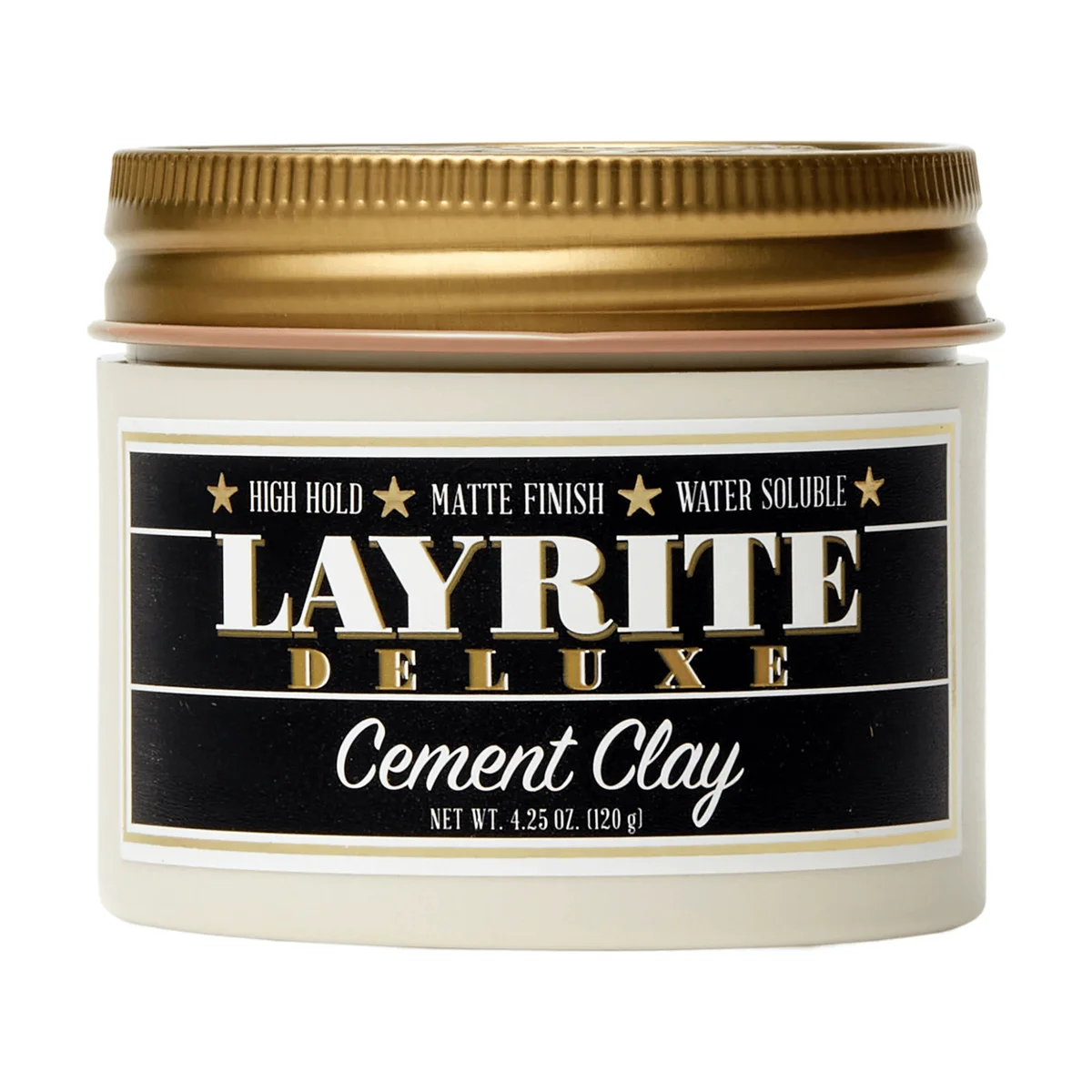
Layrite Cement Clay is the best hair clay for most men in 2026: properly matte, water-based, holds a structured style for 6-8 hours and rinses out in one shampoo. Around $20-22. If your hair's fine, skip it and buy Hanz de Fuko Quicksand instead.
Every clay tin on the shelf says the same two words. Strong hold. Matte finish. It's the styling-product equivalent of a dating profile saying "fluent in sarcasm": technically a claim, functionally meaningless, and about half of them are flat-out lying.
So we stopped reading the tins. What separates a good clay from a $28 tub of expensive mud is three things. What's happening at hour six (is your fringe still up, or has it quietly resigned?). Whether it comes out in one shampoo or needs a clarifying wash and a small amount of grief. And whether it does anything useful on fine hair beyond gluing it to your scalp like a helmet liner.
Five clays, ranked on those three tests and nothing else. I ignored the tin design, which pained me, because I've spent twenty years in advertising and I *know* what someone got paid for that matte-black debossed lid. Genuinely. Someone stood up and presented that in a deck. There were slides.
Featured Products
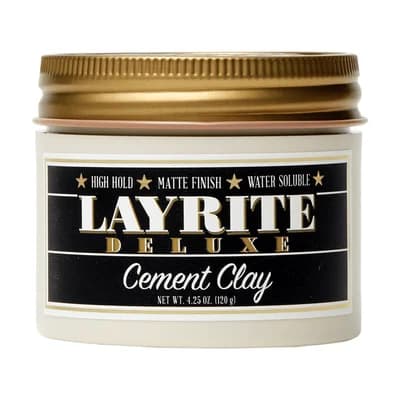
The only clay here that nails both halves of the tin claim: a genuine 6-8 hour hold and a properly flat matte finish that reads as texture rather than product. Water-based, so it's gone in one shampoo. Apply to damp hair or it clumps, and skip it entirely if your hair is fine.
Best all-round performance-to-price ratio of anything we tested, and the default recommendation for thick hair.
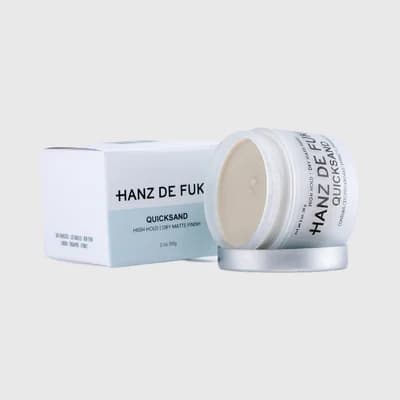
A dry wax rather than a true clay, and the only product here that adds real lift to fine or thinning hair instead of crushing it. Stays reworkable all day without going crunchy. The technique curve is steep and overloading kills the effect instantly, so start with less than you think you need.
The best option going for fine and thinning hair, which every other clay in this guide actively fails.
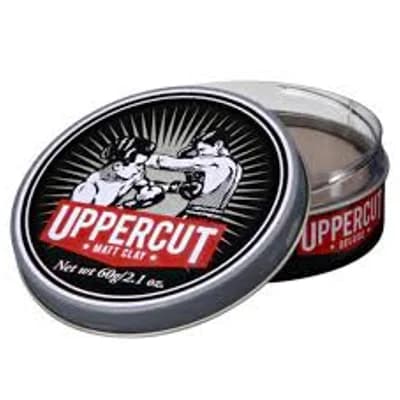
About 7/10 on hold with a legitimately flat matte finish, single-shampoo washout, and consistent texture tin to tin. The trade-off is a 15-20 minute working window before it sets, so decide your style at the mirror, not on the train. Flattens fine hair, and the scent is noticeable.
The most beginner-friendly clay of the five and the easiest everyday matte for medium hair.
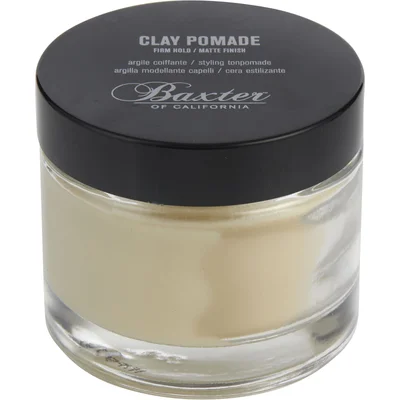
Clean matte, 6-8 hour hold, stays pliable instead of setting hard. Genuinely good product with a genuinely mediocre value proposition: 2oz for $22 is roughly double the per-ounce cost of the Layrite for comparable performance. Buy it on offer, not at full price.
A well-made mid-range clay that shows you exactly what you are, and aren't, paying a premium for.
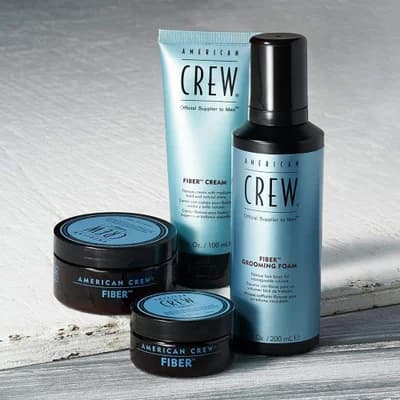
Matte-adjacent rather than truly matte, but the hold is high and a $16 tin lasts 2-3 months if you use it correctly, which almost nobody does. Too heavy for fine hair and less reworkable than the water-based options. On pure cost-per-use, nothing else here is close.
The budget pick, and a twenty-year barbershop staple that matches boutique clays costing twice as much.
The Clay Problem: Why Every Tin Says "Strong Hold, Matte Finish" and Only Half Mean It
Clay works because of kaolin. It's an absorbent mineral powder that soaks up oil, adds grit to the hair shaft, and makes strands cling to each other instead of sliding apart. That's the mechanism. It isn't complicated and it isn't proprietary, which is exactly why forty brands can make a nearly identical product and price it anywhere from $14 to $38.
Where they diverge is the base. Water-based clays emulsify, spread easily, rinse out. Wax-heavy clays hold harder and longer but cling to the hair and need a proper wash. Some brands split the difference with lanolin, which is sheep's wool grease, which sounds significantly worse than it performs.
The "matte" claim is where the lying happens. Plenty of clays are matte in the tin and semi-gloss on your head, because the wax content is high enough to catch light once it's warmed up and spread thin. You won't notice in your bathroom mirror. You'll notice in a photo taken under a pub's overhead lighting, where your hair reads as slightly damp in a way nobody in recorded history has found appealing.
How We Ranked These (Hold at Hour Six, Washout, and the Fine Hair Test)
Hold at hour six. Not hour one. Anything holds at hour one. Six hours in, after a commute, a meeting room that's too warm, and running a hand through it twice out of pure habit, does the shape survive? A good clay loses maybe 15-20% of its structure by then. A bad one is a memory by 2pm.
Washout. One shampoo, or two-plus with a clarifying wash. This matters more than people think, because product buildup on the scalp is a real contributor to the flaky, dull-looking hair that men then try to fix with more product. Circular, expensive, avoidable.
The fine hair test. Roughly a third of men reading this have fine or thinning hair, and most clays are engineered for the thick-haired minority. A heavy clay on fine hair doesn't give you texture. It gives you separated, oily-looking strands and a visible scalp. That's not styling, that's a diagnosis.
---
1. Layrite Cement Clay - Best Overall Hold for Thick Hair
Who this is for: Thick hair, wavy, straight or curly. Structured styles: a proper side part, a textured crop with actual shape, a pompadour that isn't trying too hard.
What it actually does: High hold, true matte, water-based. It's the one clay in this group that delivers on both halves of the tin claim without an asterisk.
Real performance: 6-8 hours on a structured style without reapplication, and I mean genuine hold. The shape at 6pm is recognisably the shape from 8am, maybe softened at the edges. The matte finish is the real win, though. It reads as hair texture rather than product, which is the entire point and which most clays fumble. Being water-based, it's gone in one shampoo, no clarifying nonsense.
The catch, and it's a real one: apply to damp hair. Dry application clumps and you'll spend five minutes trying to redistribute it while getting later for something. It also adds zero volume, so fine hair gets hold and nothing else, which is the worst possible outcome.
Cost: Around $20-22, and roughly half the per-ounce cost of the Baxter. That's not a small gap when you're going through a tin every two months.
Verdict: Best overall. It does the hard thing (real hold) and the subtle thing (real matte) at the same time, for sensible money.
Pros
- True 6-8 hour hold on structured styles
- Genuinely matte, no sheen under bad lighting
- One-shampoo washout, water-based
- Best per-ounce value of the mid-range clays here
Cons
- Useless on fine or thinning hair, hold without lift
- Needs damp hair or it clumps
- Scent is forgettable in a slightly disappointing way
---
2. Hanz de Fuko Quicksand - Best for Fine Hair That Needs Volume
Who this is for: Fine, limp, straight or wavy hair. Also the thinning crowd, who've historically been handed nothing but bad options.
What it actually does: It's a dry wax rather than a conventional clay, and it works by adding grit and friction instead of weight. The result is lift. Actual lift, on hair that has previously refused to do anything except lie flat and think about the past.
Real performance: This is the only product on this list I'd hand to someone with fine hair without a warning label. The finish is properly matte, no wet look, no plastic sheen. It stays reworkable through the day, so you can push it back into shape at 4pm without it going crunchy or collapsing. A tiny amount goes a long way, which takes some of the sting out of the price.
The learning curve is steep and I won't pretend otherwise. Overload it and the effect dies instantly. You go from "textured" to "unwashed" in about a quarter-teaspoon. Warm it properly between your palms, apply to dry hair, start with less than you think.
On thick or coarse hair it underperforms. It hasn't got the wet-set strength to control a heavy head of hair, so if that's you, scroll back up.
Cost: The priciest here at $26-30, but the dosage is small enough that a tin genuinely lasts.
Verdict: If your hair is fine, this is the one. Not a nice-to-have. The actual answer.
> Mariana's Take: Fine hair with volume reads as young. Fine hair flattened under heavy product reads as tired. Men consistently choose the second one, because using more feels like trying harder. Do less.
Pros
- Real volume on fine hair without buildup
- Genuinely matte finish
- Reworkable all day
- Small dose per use
Cons
- Steep technique curve, overloading ruins it
- Weak on thick or coarse hair
- The scent is light but divisive
---
3. Uppercut Deluxe Matt Clay - Best Everyday Matte for Medium Hair
Who this is for: Medium to thick hair, everyday styles, and beginners who don't want their hair to become a project.
What it actually does: About a 7 out of 10 on hold with a properly flat matte finish. It's the least fussy clay here.
Real performance: The matte is legitimate, which is rarer at this price than it should be. Single-shampoo washout. And the batch consistency is genuinely good, so every tin behaves like the last one. Sounds like faint praise until you've bought a clay that changed texture between purchases and spent a fortnight wondering whether you'd lost the ability to do your own hair.
The limitation: you get 15-20 minutes of workability and then it sets. Commit early. Decide at the mirror, not on the train. On fine hair it flattens rather than lifts. And the scent is present, masculine, and a bit much for some people. There's no unscented version.
Cost: Roughly $20-24.
Verdict: The most beginner-friendly clay here and the one I'd give someone starting out. Slightly less hold than the Layrite, slightly more forgiving when you get it wrong.
Pros
- Properly matte, no sheen
- One-shampoo washout
- Consistent tin to tin
- Easiest of the five to learn
Cons
- Sets after 15-20 minutes, limited restyling
- Flattens fine hair
- Noticeable scent, no unscented option
---
4. Baxter of California Clay Pomade - The Respectable Default (At a Price)
Who this is for: Medium to thick hair, and men who already own three Baxter products and are not going to be talked out of a fourth.
What it actually does: Clean matte finish, 6-8 hour hold, stays pliable instead of setting solid. It's good. That isn't the problem.
Real performance: One of the cleaner matte finishes at this price, honestly. No shimmer, no sheen. Washes out in one shampoo, unlike the oil-based pomades that need a clarifying wash and a mild sense of shame. It stays reworkable through the day, which the Uppercut doesn't.
The problem is arithmetic. 2oz for $22 is a mediocre volume-to-price ratio when the Layrite does comparable work at roughly half the per-ounce cost. You're paying for a well-designed tin and a brand that's earned its reputation, and there's nothing wrong with that, but let's be honest about what the premium is actually buying.
Also: beginners overload this one constantly and end up with stiff, obviously-styled hair. And it's wrong for fine hair, where it over-holds into flat and stringy.
Cost: $22 for 2oz.
Verdict: A good clay at a slightly annoying price. On offer, buy it. At full price, buy the Layrite.
Pros
- Very clean matte, no shimmer
- 6-8 hours without crunch
- Reworkable through the day
- One-shampoo washout
Cons
- Poor volume-to-price ratio at 2oz for $22
- Easy to overapply
- Over-holds fine hair into flat and stringy
---
5. American Crew Fiber - Best Value, and It's Not Close
Who this is for: Thick or coarse hair. Anyone who wants maximum hold for minimum money and doesn't need the finish to be perfectly flat.
What it actually does: High hold, low shine, and a cost-per-use that makes everything else here look faintly indulgent.
Real performance: It's been in professional barbershops for two decades, which isn't a marketing claim, it's just what happened. High hold without high shine. I'd call it matte-adjacent rather than truly matte, and that's the honest distinction. It's not as flat as the Layrite or the Uppercut, but it's nowhere near pomade shine either.
The value case is the story. A $16 tin, used correctly (small amount, and I cannot stress this enough, *small*), lasts 2-3 months. That's under $7 a month to have hair that looks deliberate.
Downsides: it's heavy, so fine or thinning hair gets crushed. It's less reworkable through the day than the water-based options. And the application technique is non-obvious, so overloading is the single most common error, and it produces a greasy, weighed-down result that people then blame on the product.
Cost: Around $16.
Verdict: Fifth on finish, first on value. If money is the deciding factor, this isn't a compromise.
Pros
- $16, lasts 2-3 months
- High hold, low shine
- Twenty-year professional track record
- Matches boutique products costing twice as much
Cons
- Too heavy for fine or thinning hair
- Less reworkable than water-based clays
- Matte-adjacent, not truly matte
---
Matte vs Natural vs Shine: What Your Finish Actually Says in a Room
Matte reads as texture. It lets people register your haircut without registering your product, which is the whole game. It's also the most forgiving under bad lighting: office strip lights, pub ceilings, the front-facing camera.
Natural finish sits in between. Slight softness, no visible gloss. Fine for longer hair and looser styles.
Shine reads as intentional, formal, slightly retro. It works if the whole look is committed, sharp cut and sharp clothes. It fails badly in a hoodie, where high-shine hair reads as unwashed rather than styled. That's not snobbery, that's just how light behaves on hair.
> Mariana's Take: Shiny hair on a man in casual clothes reads as greasy from across a room. Every time, no exceptions. Matte is the safer default by a wide margin, and nobody in history has thought "his hair looks too natural."
The Dosage Rule Nobody Tells You (Pea-Sized Means Pea-Sized)
The single biggest reason men think clay doesn't work for them is that they're using three to four times too much.
The rule: pea-sized for short hair, a small grape for medium. Emulsify it fully between your palms until it's warm and nearly transparent, which is 15 to 20 seconds of rubbing, not the two seconds you're currently doing. Then apply from the back and sides *first*, top and front last, using whatever's left on your fingers. The front needs the least product and always gets the most, which is why so many men have a fringe that looks wet and a crown that looks untouched.
If you finish and it needs more, add more. You cannot subtract. Right?
Fine Hair, Thick Hair, Thinning Hair: Which Clay Goes in Which Bathroom
Fine hair: Hanz de Fuko Quicksand. It's the only one here that adds lift instead of weight. Everything else on this list will flatten you.
Thick hair: Layrite Cement Clay for structured styles, American Crew Fiber if you want similar control for $16 and can live with a slightly less flat finish.
Medium hair, low effort: Uppercut Deluxe Matt Clay. Easiest to learn, hardest to get wrong.
Thinning hair: Quicksand, applied even more sparingly than the packaging suggests, on completely dry hair. Product weight is your enemy. So is anything that separates strands into visible clumps, because clumps are what expose scalp. Texture, not definition.
What Clay Won't Fix, and What a $40 Haircut Will
Look. No clay fixes a bad haircut. It emphasises one.
If your hair looks wrong and you've now bought four tins trying to solve it, the variable you're not adjusting is the cut. A barber who understands your growth pattern, density and cowlicks will do more for how you look than every product in this guide combined. Ask for a cut that works when you do *nothing* to it. If the shape only exists under product, the shape is wrong.
Product is the last 20%. The cut is the other 80%. This won't add a point to anything, but it will stop you spending $100 a year on clay to compensate for a $25 haircut.
Jamie's Verdict: The Two Tins Worth Owning
Most men need one clay. I own two, because I'm the sort of person who writes guides about hair clay.
Layrite Cement Clay is the everyday. Genuinely matte, holds through a full working day, out in one shampoo, doesn't cost stupid money. Most complete product here, and it's my number one without much internal debate.
Hanz de Fuko Quicksand is what I'd buy instead if my hair were finer, and it's the one I recommend most often to friends who've been quietly losing density since about 2019 and haven't mentioned it. It solves the exact problem the other four make worse.
And if you want to spend as little as possible and your hair is thick: American Crew Fiber, $16, done, stop reading.
Tips
- 1.Emulsify properly. Rub the product between your palms for a full 15-20 seconds until it's warm and nearly transparent. Most men do two seconds and then wonder why they've got a white streak above one ear.
- 2.Back and sides first, top and front last, using only the residue left on your fingers. The front needs the least product and habitually gets the most, which is why so many fringes look wet.
- 3.Match the base to your washing habits. Water-based clays like the Layrite and Uppercut come out in one shampoo, wax-heavy fibre products need a proper wash. Buildup on the scalp causes the flaking you'll otherwise blame on dandruff and try to fix with a $30 shampoo.
The Bottom Line
Buy Layrite Cement Clay if your hair's thick and you want one tin that does everything: real hold, real matte, one-shampoo washout, around $20. Buy Hanz de Fuko Quicksand if your hair's fine, because it's the only thing here that lifts instead of flattens. And if budget is the whole conversation, American Crew Fiber at $16 gets you 90% of the way there and will still be in the cupboard come spring.