
BEST OF
Best Hair Styling Products for Men 2026: Pomade vs Clay vs Fiber — Ranked by Hair Type
Stop guessing. Your hair type decides the winner before you open the tin.
Last updated: May 1, 2026
Quick Answer
For most men, the wrong format is doing more damage than the wrong brand - and Hanz de Fuko Quicksand is the one product that consistently fixes this, particularly if your hair is fine or limp and every other clay or pomade has left you looking like you've been caught in a light drizzle. It scores 82/100 here, tops the list, and the dry wax format is genuinely the most under-used category in men's styling.
Here's a thing nobody in the styling aisle will tell you: the reason your hair looks worse after you've spent twenty minutes on it isn't the brand. It's the format. You've picked up a clay because the barber uses one, or a fiber because it was on offer, or a pomade because your dad used one in 1987 and that energy somehow transmitted - and you've applied it to hair that actively hates that format. The result is flat, greasy, or crunchy. Sometimes all three simultaneously.
The pomade vs clay vs fiber debate has been running on forums and in barbershops for years, and almost all of it misses the point. The format wars are a distraction. What matters is the interaction between your hair's texture, thickness, and natural behaviour - and the product you're dragging through it every morning. Get that match wrong and you're not optimising anything. You're just adding product to a problem.
This guide does something most styling guides don't bother with: it ranks by hair type, not by brand nostalgia or barbershop consensus. Three products made the cut - Hanz de Fuko Quicksand, American Crew Fiber, and Baxter of California Clay Pomade. All three are genuinely good. All three are wrong for at least one hair type. We'll tell you which is which.
Featured Products
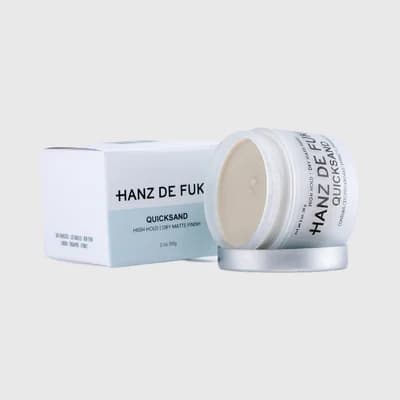
The only product on this list that consistently solves the fine-hair problem rather than ignoring it. The dry wax format is the correct answer for anyone with limp or thin hair, and Quicksand executes the format better than most alternatives at this price point. The learning curve on dosage is real but worth the week of adjustment.
The top-scoring product in this guide and the clear #1 recommendation for the largest underserved segment in men's styling: fine or limp hair that every other format actively makes worse.
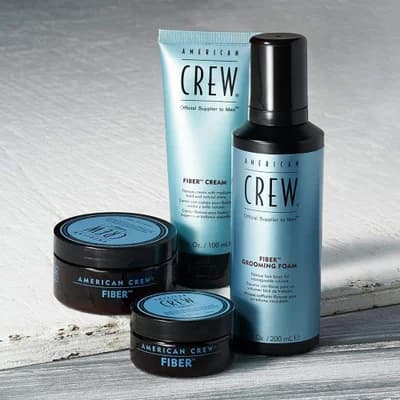
Genuinely one of the better cost-per-use ratios in men's styling for medium-to-thick hair. The two-decade barbershop track record isn't brand mythology - it's product evidence. Not a product for fine hair, not a product for men who need to restyle at 4pm, but for everything else it does on thick hair it earns the score.
The strongest budget option for medium-to-thick hair, outperforming several more expensive boutique alternatives with no meaningful gap in hold or finish quality.
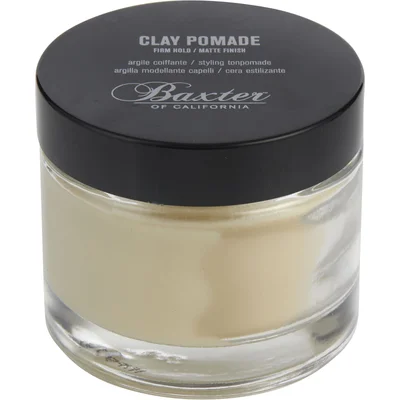
The correct upgrade path from American Crew Fiber if your priority is reworkability and a cleaner mid-day reset. The volume-to-price ratio is slightly uncomfortable at 2oz for $22 but the single-shampoo washout and genuine matte finish earn their place at the mid-range price point. Fine hair, stay away.
Represents the clay pomade format at its most functional and accessible for medium-to-thick hair, with a real reworkability advantage over fiber formats at a comparable price tier.
Why Your Hair Type Matters More Than the Format (And Why Nobody Tells You This)
The styling product market has a vested interest in convincing you that any product can work for any hair, as long as you believe in it hard enough. This is, to use the technical term, cope.
Hair behaves according to its actual physical properties. Fine or limp hair has less structural integrity - it needs products that add lift and texture without weight. Thick or coarse hair has too much of its own structure - it needs something that can grip it without turning to concrete. Medium hair is the only type that genuinely gets to be promiscuous about format, and even then, the finish (matte, natural, shiny) matters as much as the hold.
The three variables that determine which format works for you:
- Hair density (fine / medium / thick) - the primary filter. This is the one most guides skip.
- Natural texture (straight / wavy / curly) - affects how product distributes and how hold behaves over time.
- Your desired finish (matte, natural, or if you're going full 1950s, shine) - largely aesthetic, but relevant.
Most men have a rough sense of at least two of these. Once you know your density and texture, the format choice becomes almost mechanical. The looksmaxxing discourse tends to obsess over which product a particular influencer uses, which is the grooming equivalent of copying a footballer's diet without knowing your own metabolic rate. Apply results-oriented thinking here instead.
---
The Three Formats Explained: What Pomade, Clay, and Fiber Actually Do
Pomade
Originally oil-based (your grandfather's Brylcreem situation), modern pomades split into oil-based and water-based. Oil-based: high shine, very strong hold, washes out in three to four shampoos if you're lucky. Water-based: easier to wash out, variable hold, generally more reworkable. Both formats run naturally wet and tend to produce at least some sheen. Fine hair and pomade is usually a bad match - the weight collapses whatever volume you have before you've left the bathroom.
Clay
Kaolin or bentonite clay as the active ingredient. The point of clay is texture and matte finish - it roughens the hair shaft slightly, which reads as natural volume and thickness. Water-based clays wash out easily. The finish is genuinely matte and doesn't reflect light, which means it photographs well and doesn't look like you've applied anything at all. The catch: dosage sensitivity is high. Too much clay and you get something that looks like stiff, flat straw. Medium-to-thick hair responds best because the clay has enough structural material to grip without over-holding or flattening.
Fiber
Stringy, grippy, pulls apart in fibres (the clue is in the name). Designed to add texture and definition rather than smooth control. Generally higher hold, matte or near-matte finish, and easier to apply evenly than clay if you know the technique. Works well on medium-to-thick hair where you want defined texture or a separated, piece-y look. Like clay, it's a bad match for fine hair - the grip is useful when there's thickness to grip; on thin hair, it just clumps.
---
Best for Fine or Limp Hair: Hanz de Fuko Quicksand
Score: 82/100 | Mid-range
*"The dry wax that makes fine hair look like it has opinions."*
Best for: Men with fine, thin, or limp hair who've watched every other product deflate their volume by 10am. Also excellent for anyone who wants a genuinely matte, invisible-finish style that doesn't look 'done.' The slightly tousled, low-effort read that actually took effort - this is Quicksand's brief, and it executes it well.
Family/Format: Dry wax - a category that sits outside the standard pomade/clay/fiber taxonomy and is, genuinely, more useful for fine hair than any of them.
What it does: Quicksand works by adding texture and grip without adding weight. The dry wax formula means there's no moisture or oil being introduced to the hair shaft - just grip and a bit of hold. On fine hair, this is the difference between product that supports your volume and product that murders it on contact. The finish is matte, and I mean properly matte - no plasticky sheen, no wet look, nothing that catches light in a way that draws attention to the fact you're wearing product.
Application is the learning curve. You take a genuinely small amount - less than you think, always less than you think - warm it between your palms until it disappears, then work it through dry hair. The instinct is to go for more because you can barely feel it on your hands. Resist this. Overload and the volume lift disappears; you end up with fine hair that's now also stiff. Under-apply and add more in layers if needed.
Performance: Reworkable throughout the day without crunch or collapse, which is not a given at this price point. The hold is light-to-medium - enough for a structured texture, not enough to maintain a slick side part in a Force 8. Per-use cost is reasonable because the amount you should be using is genuinely small; a tin lasts 6-8 weeks with correct application.
Price: Mid-range. Worth it for the specific use case. If your hair is fine and every clay and fiber has let you down, this is a format conversation, not a price conversation.
Cons to acknowledge: The scent is divisive - a light, slightly sweet note that's not offensive but isn't neutral either. If you're fragrance-sensitive, it's worth smelling before buying. And on thick or coarse hair, don't bother - this product's gentleness, which is its whole virtue for fine hair, becomes a liability the moment there's too much hair to work with.
> Mariana's Take: The men I've noticed who look like they have naturally good hair but also clearly made some effort - that tousled-but-intentional thing - are almost always using something like this. It reads well in person. It doesn't look like you tried too hard, which is exactly how it should look.
---
Best Budget Pick for Medium-to-Thick Hair: American Crew Fiber
Score: 78/100 | Budget
*"The styling product equivalent of a reliable tradesman - unglamorous, always shows up, does the job."*
Best for: Men with medium-to-thick hair who want genuine hold with a matte-adjacent finish and don't want to spend £20+ on a boutique tin with a nice label and a vague description involving 'artisanal' anything. Also for anyone who wants a product with a two-decade track record in professional barbershops rather than a product that launched six months ago on Instagram.
Family/Format: Fiber - high grip, strong hold, near-matte finish.
What it does: American Crew Fiber holds. That's the main thing. The fibrous texture grips hair well on medium-to-thick hair types and produces a natural, slightly textured finish without reflecting much light. Barbers have been reaching for this since the early 2000s because it does what it says, handles a range of styles without drama, and doesn't require explanation.
The value proposition here is genuinely compelling: a $16 tin used correctly lasts 2-3 months. 'Used correctly' is doing real work in that sentence - the most common mistake is using too much, which produces a greasy, weighed-down result that has put off thousands of men who then concluded the product was bad rather than that their dosage was. The product is not bad. The dosage was wrong.
Performance: High hold, decent longevity through the day, but less reworkable than water-based alternatives. Once it sets, it's relatively set - you can work it again with slightly damp hands but it doesn't refresh as cleanly as a clay or a lighter cream formula. For most daily styling needs on medium-to-thick hair, this is irrelevant; you style in the morning and get on with it.
I've tested it against comparable mid-tier boutique products and there's no meaningful performance gap. The brands charging double for similar hold and finish aren't winning on performance - they're winning on packaging and positioning, and you can decide how much that's worth to you.
Price: Budget. One of the better cost-per-use ratios in men's styling at this performance level. Hard to justify spending significantly more unless you have a specific finish requirement this doesn't meet.
Cons to acknowledge: Fine or thinning hair, avoid. The weight will collapse whatever volume you're working with. And the reworkability issue is real if your day involves the kind of situations where you need to fix your hair at 4pm - this isn't the product for that.
---
Best Clay Pomade for Medium-to-Thick Hair: Baxter of California Clay Pomade
Score: 78/100 | Mid-range
*"The clay pomade that made mid-range styling respectable."*
Best for: Men with medium-to-thick hair who want the matte finish and texture of a clay with slightly more reworkability and a cleaner wash-out than a straight fiber. Good for natural, low-shine styles and for anyone who's had bad experiences with oil-based pomades that required a geology-grade shampoo to remove.
Family/Format: Clay pomade - sits between a traditional clay and a traditional pomade, takes the better properties of each (clay's matte texture, pomade's workability).
What it does: The formula provides genuine matte finish - one of the cleaner examples at this price point, no shimmer, no sheen, and it doesn't start reflecting light as the day goes on the way some 'matte' products quietly do after hour six. The clay content adds texture and grip; the pomade base makes it more workable than a pure clay and easier to distribute evenly.
Wash-out is one of its actual advantages: a single shampoo removes it cleanly, unlike oil-based formulas that can leave residue across multiple washes. If you're someone who washes daily or doesn't want to think about build-up, this matters.
Performance: 6-8 hours hold on medium-to-thick hair without crunch or stiffness, which is solid for a product in this category. Reworkable throughout the day - hair stays pliable rather than setting solid, which is an edge over American Crew Fiber if your day involves helmet hair, a gym visit, or anything else that requires a mid-day reset.
Price: Mid-range, and this is where I have a note: 2oz for $22 is a slightly uncomfortable volume-to-price ratio. A tin will last you 4-6 weeks with correct dosage (which is, as always, less than you think). It's not egregiously overpriced but it's not a slam-dunk value either.
Cons to acknowledge: Fine hair, same warning as everything else in this section: don't. The clay pomade will over-hold and can make thin hair look flat or stringy. And the dosage learning curve is real - first-time users consistently overload and end up with stiff, unnatural results that the product doesn't deserve the blame for.
> Mariana's Take: There's a difference between hair that looks good and hair that looks like a man spent twenty minutes on it. The clay matte products tend to land in the first category. This one in particular - I've seen it on a few people and it just reads as clean and intentional without being obvious. That's the right outcome.
---
Head-to-Head by Hair Type: Which Format Wins for You
| Hair Type | Recommended Format | Product Pick | Avoid |
|---|---|---|---|
| Fine / Limp | Dry Wax | Hanz de Fuko Quicksand | Everything else on this list |
| Medium (straight/wavy) | Clay Pomade or Fiber | Baxter of California Clay Pomade | Heavy oil-based pomades |
| Thick / Coarse | Fiber or Clay Pomade | American Crew Fiber | Dry wax (not enough grip) |
| Thinning | Dry Wax (small amount) | Hanz de Fuko Quicksand | Fiber, heavy clay |
The short version: if your hair is fine, everything except the dry wax category is working against you. This is not a product quality issue. American Crew Fiber is a good product. It will still flatten fine hair because that's what the format does to that hair type. The format, not the product, is the variable.
For medium hair you have actual options - the clay pomade and the fiber will both work, so you get to choose based on finish preference and whether you need to rework your hair mid-day (clay pomade wins that specific battle).
For thick or coarse hair, go heavier and don't look back. The Fiber holds. The dry wax will simply fail to do anything meaningful.
---
The One Application Mistake That Ruins Every Product on This List
You're using too much. I know this sounds like a guess but it isn't - it is the single most consistent error across all three product formats, and it produces the worst outcomes with each of them in slightly different ways.
Too much Quicksand: kills the volume lift, makes fine hair stiff and compressed. The entire value proposition disappears.
Too much American Crew Fiber: produces a greasy, heavy result that reads as unwashed. Thousands of men have written off this product because of this. The product is fine. The dosage was wrong.
Too much Baxter Clay Pomade: stiff, unnatural, over-held - hair that looks styled in the sense of 'something has happened to it' rather than 'it looks good.'
The correct application for all three:
1. Start with a pea-sized amount or less (smaller than you instinctively want)
2. Warm it between both palms until it's evenly distributed and nearly invisible on your hands
3. Work through hair from roots to ends, not just the surface
4. Add more in small increments if needed - you can always add, you cannot subtract
For Quicksand specifically: apply to dry hair. Clay and fiber can go on slightly damp hair, which helps distribution. The learning curve on dosage is real for all three but it takes about a week of daily use to calibrate. That first week might look rough. Persist.
---
Jamie's Verdict: The Format Wars Are Cope - Here's What to Actually Buy
Most of the online debate about pomade vs clay vs fiber is format tribalism dressed up as useful advice. The truth is simpler and more useful: match the format to your hair type and most of the decision is made for you.
If you have fine or limp hair and you've been fighting your styling products for years, the answer is almost certainly that you've been in the wrong format category, not that you haven't found the right brand yet. Hanz de Fuko Quicksand is the product to try - the dry wax category is systematically underrepresented in men's styling coverage, probably because it's harder to photograph dramatically, and it's the single most impactful format change available to fine-haired men.
If you have medium-to-thick hair and you want value, American Crew Fiber has a two-decade track record and a price point that makes most boutique competitors look like they're charging for the tin. If you want slightly more reworkability and a premium version of the same principle, Baxter of California Clay Pomade is the upgrade that's actually earned it.
None of these products will mog your way to a higher PSL score. Your hair will look noticeably better. I'm calling that the win.
Tips
- 1.Always start with less product than feels right - for all three formats, pea-sized or smaller is the correct starting point, not the ending point. You can layer up; you cannot layer down.
- 2.Apply Quicksand to dry hair only. Clay and fiber products can go on slightly towel-dried damp hair to help distribution, but dry wax on wet hair is a fast route to the wrong result.
- 3.If you've been using a product for two weeks and still hate the result, check the format against your hair type before blaming the product - nine times out of ten the mismatch is the issue, not the brand.
The Bottom Line
The format wars between pomade, clay, and fiber are mostly a distraction from the one question that actually matters: what's your hair type? Answer that, match the format to the answer, and most of the decision resolves itself. For fine or limp hair, Hanz de Fuko Quicksand is the recommendation - the dry wax category solves problems that clay and fiber physically cannot. For medium-to-thick hair, American Crew Fiber at the budget end and Baxter of California Clay Pomade at the mid-range are both genuinely good products for genuinely different priorities. Pick the one that matches how your day works.
Frequently Asked Questions
what hair styling product is best for fine thin hair men
hanz de fuko quicksand vs american crew fiber which is better
difference between clay and pomade hair styling men
how much hair product should i use men beginner
best matte hair product for men 2025 natural look
does hair type matter for choosing styling products men
Related Guides
BEST OF
Best Perfumes for Women That Get the Most Compliments (Tested 2026)
Baccarat Rouge 540 wins this hands down. Yes, it's overhyped and costs more than my monthly coffee budget at $300+, but nothing else gets strangers stopping you in Target to ask what you're wearing like this sweet-woody beast that projects for hours.
BEST OF
Best Perfumes for Women 2026: The Definitive Guide to 7 Essential Fragrances
Dior J'adore EDP is our #1 pick for 2026 because it's the only fragrance that consistently gets compliments while commanding genuine respect in professional and romantic settings. At £75, it delivers luxury appeal with the reliability most £300 bottles promise but fail to provide.
BEST OF
Best Diptyque Perfumes 2026: A Brand Lover's Guide to Their Iconic Scents
Diptyque Tam Dao EDP is the best Diptyque fragrance you can buy right now - it delivers one of the most authentic sandalwood accords in niche perfumery, wears beautifully across genders, and earns its $185+ price tag in a way most of the lineup honestly doesn't. If you want the one Diptyque bottle that will never embarrass you, this is it.