
HOW TO
Skincare Actives Layering Order: What Goes On First, What Cancels What Out, and What's Just Cope
The actual rules for stacking retinol, niacinamide, acids, and SPF without wrecking your face
Last updated: August 25, 2026
Quick Answer
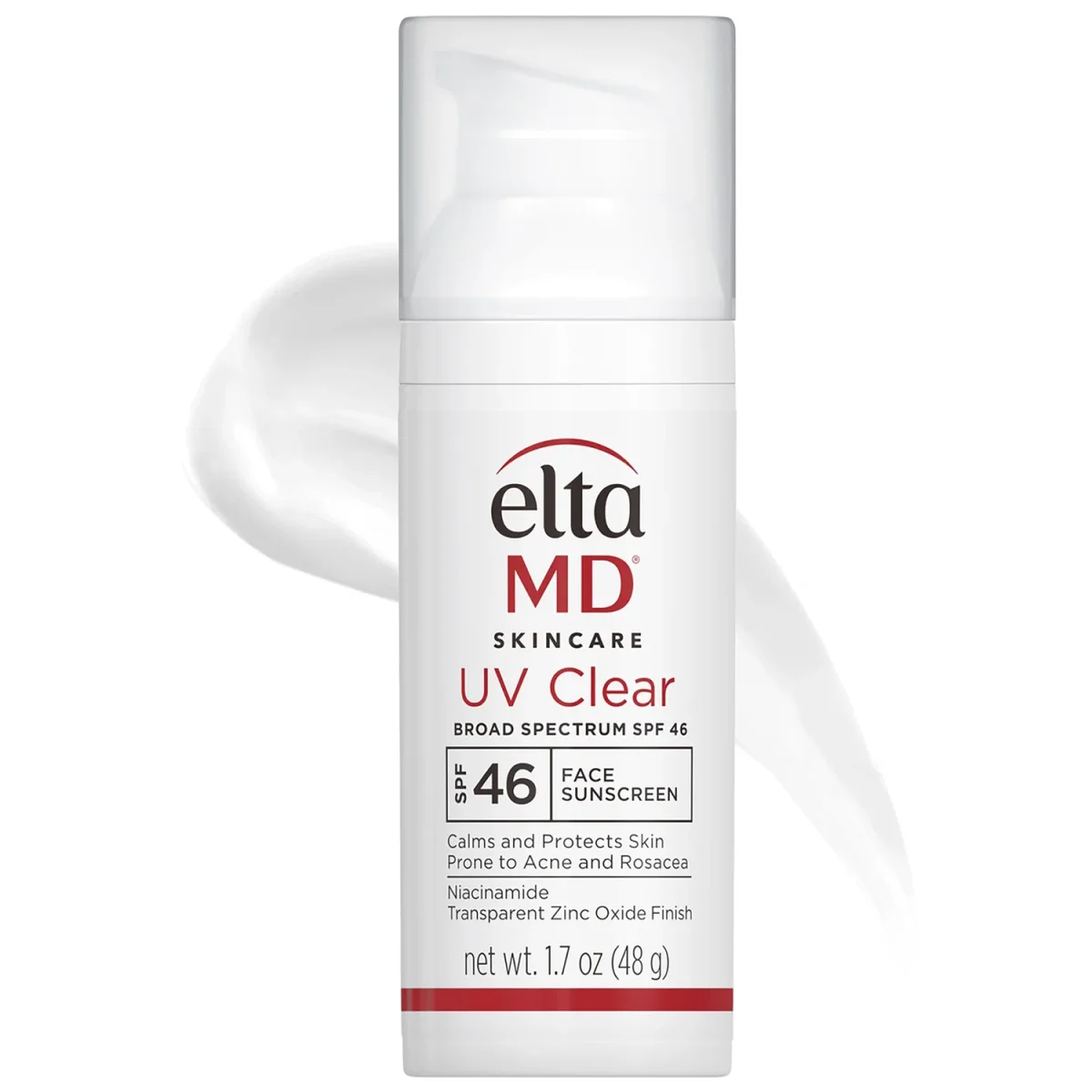
Starting from zero? The sequence is: CeraVe Hydrating Facial Cleanser, your active (niacinamide or retinol depending on the time of day), moisturiser, then SPF. The EltaMD UV Clear SPF 46 goes on last every single morning - full stop. Get the order right and your actives actually reach your skin and do something. Get it wrong and you're moisturising over an acid and quietly wondering why nothing's changing.
Here's the thing about skincare layering guides: most of them are written for people who already own twelve serums and have a dedicated shelf. You know the type. They're fine. This isn't for them.
This is for the man who has a cleanser, maybe a niacinamide, possibly a retinol he bought because someone mentioned it on a podcast, and a moisturiser that might actually be a face-and-body hybrid from 2021. He's applying them in some order that feels vaguely logical - and quietly wondering whether he's doing something wrong, because his skin isn't visibly worse but it's also not visibly better. That man is the brief here.
The reason layering order matters isn't mystical - it's chemistry. Some actives deactivate each other at certain pH levels. Some physically can't penetrate if you've applied an occlusive layer first. Some combinations irritate your skin barrier into a tantrum that takes three weeks to resolve. This guide covers the actual rules, the real combinations to avoid, and the specific products worth using - with zero wellness mysticism and one or two moderately sharp observations about men who put SPF on before moisturiser and wonder why their skin looks like chalk.
Featured Products
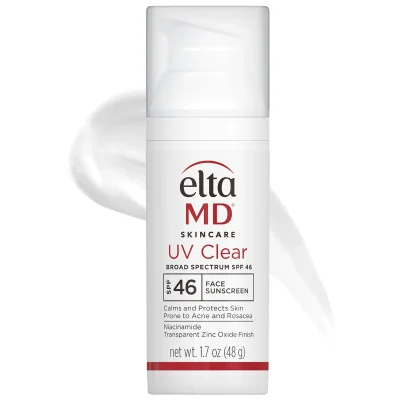
The best daily SPF for oily and acne-prone skin - niacinamide-spiked, matte, and genuinely wearable on a range of skin tones. Apply it last, apply enough of it, and it pulls double duty as a skin treatment. The tube runs out faster than you'd like, but that's confirmation you're applying it correctly.
The recommended morning routine anchor SPF - paired with the niacinamide serum for a two-step actives-and-protection morning stack.
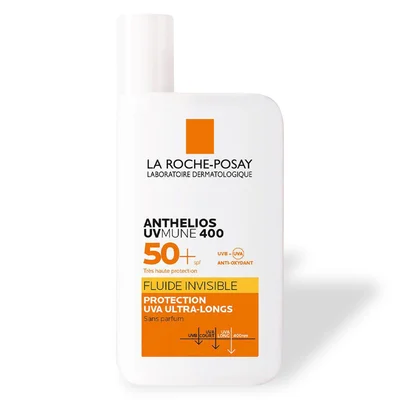
The best UVA coverage commercially available - Mexoryl 400 reaches wavelengths that US-market sunscreens legally can't. Worth the import effort if long-term photoageing prevention is genuinely the goal. Not a cheap daily option but the UV protection specs are real.
The step-up SPF recommendation for high-UV environments or anyone prioritising UVA depth over daily convenience.
Does exactly what a cleanser should do without undermining the actives you apply afterwards. Non-stripping, ceramide-supported, fragrance-free, and essentially free per wash. The boring foundation every actives routine needs.
Primary cleanser recommendation for Step 1 - the correct non-stripping base for a routine containing acids or retinol.
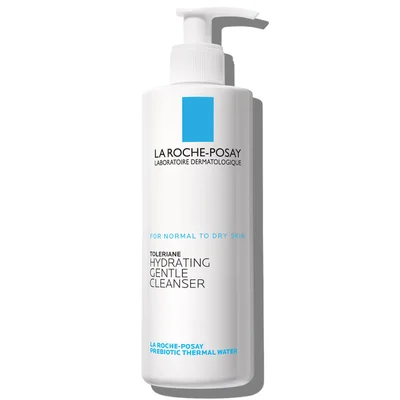
A strong alternative to the CeraVe for sensitive or reactive skin types - comparable ceramide formulation with a slightly more hydrating post-rinse feel. The price uplift isn't always justified, but for skin that reacts to everything, it earns its place.
Alternative cleanser recommendation for sensitive or actives-reactive skin types who need extra barrier support at the cleansing step.
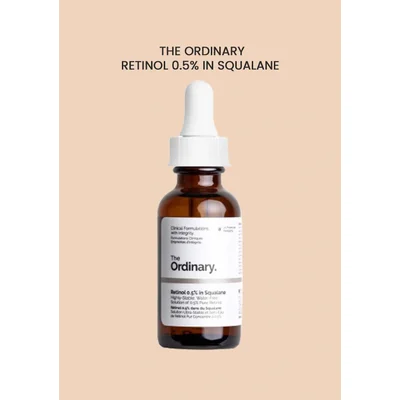
0.5% retinol in a non-comedogenic squalane base at a fraction of what competitors charge for the same concentration. Works if you introduce it correctly and stick through the purge period. Not beginner-safe at this percentage - earn your way up to it.
The primary retinol recommendation for the evening routine - referenced as the budget anchor for the most evidence-backed anti-ageing active available OTC.
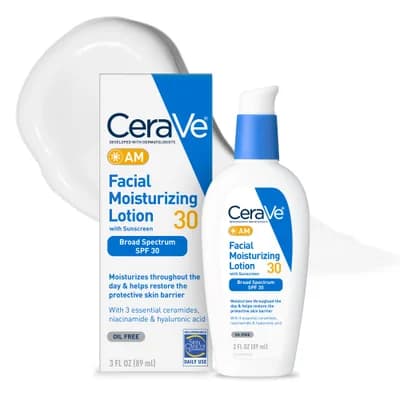
SPF 30 plus ceramide support plus niacinamide in one step - it's the minimum viable morning routine in a single product. The white cast is real on darker skin tones and SPF 30 is the floor not the ceiling, but the compliance argument is hard to beat.
The beginner stack morning recommendation - a single-product SPF and moisturiser that removes all friction from building a consistent daily routine.
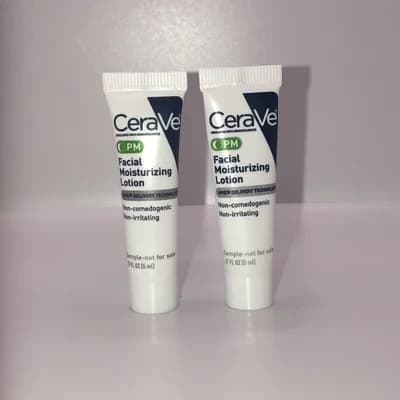
4% niacinamide explicitly labelled, absorbs in under 60 seconds, costs almost nothing. The evening moisturiser for the beginner stack and a solid everyday choice for normal-to-oily skin. Undersells for dry skin types - upgrade to the LRP Toleriane if you need more.
Evening moisturiser anchor for both the beginner stack and the full routine - pairs with retinol and BHA nights as barrier support.
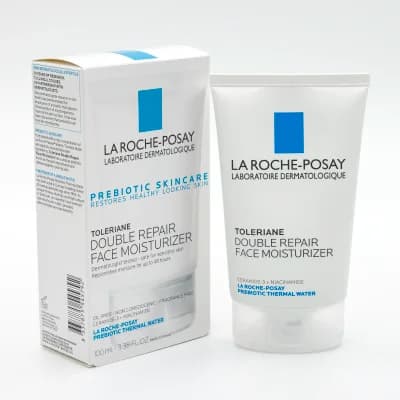
The moisturiser step-up for men who want premium-adjacent performance without premium prices. Genuine barrier credentials, clean absorption, fragrance-free. Punches above its price bracket against prestige alternatives. The undisclosed niacinamide concentration is a minor irritant but doesn't affect performance.
The moisturiser upgrade recommendation within the full routine section - positioned as the step between CeraVe PM and genuinely expensive prestige options.
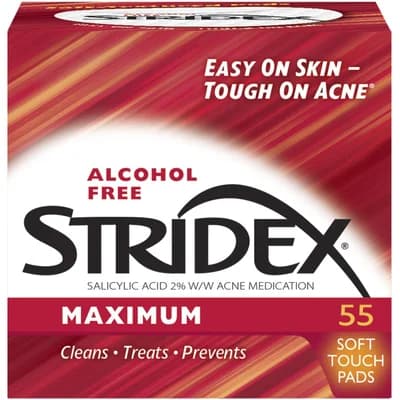
2% salicylic acid at under $9 for 90 pads - the BHA that makes premium exfoliants look like a branding exercise. Single-swipe format removes all friction from the evening routine. The SD alcohol content is genuinely drying for sensitive skin; if that's you, find a lower-alcohol alternative.
The budget BHA reference for the evening active rotation - used to illustrate the alternating BHA and retinol protocol without overspending.
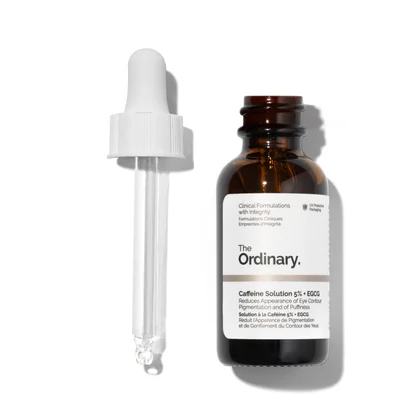
Works specifically on vascular (puffy, oedema-type) dark circles - visible improvement within 15-20 minutes backed by actual mechanism. Ineffective for pigmentation-based dark circles, which is the majority of cases. Know which type you have before buying.
Eye area recommendation for vascular dark circles and puffiness - included to illustrate the importance of matching the active to the specific problem.
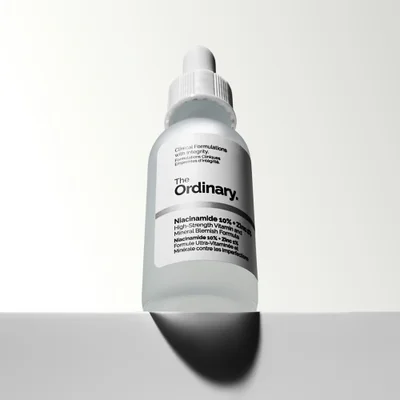
10% niacinamide, fully disclosed, under $6. At the clinical ceiling for sebum and pore reduction results. Does one job with no filler ingredients and no branding overhead. The watery texture requires 60 seconds absorption time before layering - skip that and it pills.
The primary niacinamide serum recommendation - core active in both the morning routine sequence and the evening stack as a retinol companion.
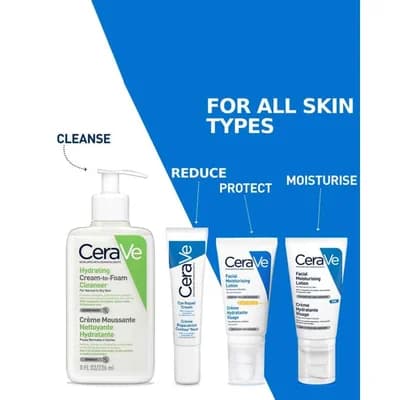
Handles dehydration lines and general periorbital dryness well - visible improvement in dryness-related texture within 2-4 weeks. Won't address vascular or structural dark circles. Undercuts Kiehl's and Clinique equivalents by $26+ with comparable hydration performance.
Eye area recommendation for dehydration and general dryness - contrasted with the Caffeine Solution to illustrate matching product to specific concern.
Why Layering Order Actually Matters (And Why Most Men Get It Wrong)
The working assumption for most men with a skincare routine is: apply everything in whatever order seems convenient, and the products will sort themselves out. This is the grooming equivalent of eating all your courses simultaneously and assuming your body doesn't care about sequencing. It does.
Skin has a natural pH of around 4.5-5.5 - mildly acidic. Most actives work at specific pH ranges, and when you layer them incorrectly you either neutralise their effectiveness or, in more ambitious cases, create irritation that your skin then has to spend its energy recovering from rather than improving. Retinol works best at a slightly higher pH than AHAs and BHAs. Vitamin C (specifically L-ascorbic acid) is notoriously finicky - it needs to be below pH 3.5 to do anything, and applying it over a product that raises your skin's pH first is basically expensive theatre.
The other issue is physical: thicker, more occlusive products create a layer that thinner water-based products can't penetrate. Apply your moisturiser before your niacinamide serum and you've waterproofed your face against the thing that was supposed to do the work. The moisturiser wins. The niacinamide sits on top accomplishing nothing.
Most men don't get this wrong maliciously. They get it wrong because nobody told them, and the instructions on the packaging are written by marketing departments, not chemists.
---
The Golden Rule: Thinnest to Thickest, Lowest pH First
If you remember nothing else from this guide, remember these two rules. They cover about 80% of layering decisions without requiring a chemistry degree.
Thinnest to thickest means: watery serums and essences go before lotions, lotions go before creams, creams go before oils, and SPF goes last (more on that in a moment). The logic is simple - thin products can't penetrate through thick ones, but thick products can sit on top of thin ones without blocking them. Toner or essence first. Serum next. Moisturiser after. SPF to close.
Lowest pH first means: if you're using an acid (BHA like salicylic acid, or a vitamin C serum), it goes on before anything that would raise your skin's pH. Allow 20-30 minutes between a low-pH active and a higher-pH product if you want to be precise about it - though for most men using moderate-strength products, 60 seconds of absorption time is a reasonable working compromise.
That's the actual rule. Everything else in this guide is context.
---
Step 1 - Cleanser: The Boring Foundation Everything Else Depends On
Cleansing is the step everyone thinks they've solved and half of them haven't. The problem isn't usually the cleanser itself - it's the category of cleanser. Men who use a foaming face wash with five fragrance ingredients are starting every routine by partially stripping their skin barrier and leaving their skin slightly alkaline. Then they apply a vitamin C serum that needs an acidic environment, and wonder why it's doing nothing.
A good cleanser for an actives routine does one thing: removes surface oil, sweat, and whatever the day put on your face - without disturbing the skin barrier or altering your pH so aggressively that your actives can't work. Boring brief. But it matters.
CeraVe Hydrating Facial Cleanser
Best for: Almost everyone. Normal to oily skin, acne-prone skin, anyone using retinol or acids who needs a non-stripping base for the rest of the routine. The most defensible budget choice in the category.
This is the cleanser equivalent of infrastructure. You don't notice it. It doesn't do anything exciting. It maintains your skin barrier, cleans your face without disrupting your pH, and costs almost nothing per wash. The ceramide-niacinamide combination supports rather than undermines the actives you're about to apply.
The main complaint is psychological: minimal lather. Men who've been using foaming cleansers for twenty years equate foam with clean, and this doesn't foam. Their skin gets better anyway. The connection between foam and clean is a branding decision made in the 1950s, not a dermatological finding.
Performance: Genuinely non-stripping. In a routine with BHA or retinol - both of which increase skin sensitivity - starting with something that doesn't add to that irritation load is the move. This does that job consistently, with no fragrance, and at a price that makes the premium market slightly embarrassing. The 16oz pump bottle at under $17 lasts months. The per-wash cost is basically noise.
Honest cons: It won't treat anything. No acne benefit, no texture work. It's a cleanser, not a treatment - and if you expect it to do more than clean and protect your barrier, you've misread the brief. Also, the pump bottle design is spectacularly dull on a bathroom shelf, if aesthetics are part of why you do this.
La Roche-Posay Toleriane Hydrating Gentle Cleanser
Best for: Sensitive, reactive, or compromised skin - particularly men who are running a retinol or acid routine and find their skin flares easily. Also works for combination skin types who want more hydration from the cleansing step than CeraVe provides.
Matches CeraVe's ceramide formulation almost note-for-note (ceramides NP, AP, and EOP are clinically tested for barrier function) but feels slightly more hydrating on the skin post-rinse. For a routine heavy on actives, that's occasionally the right call.
Honest cons: More expensive than CeraVe without a meaningful performance gap for most skin types. La Roche-Posay pricing has been climbing without a corresponding reformulation to justify it - catch it on promotion or stick with the CeraVe unless your skin specifically prefers this texture. Not ideal if you have genuinely oily skin and need more thorough oil removal.
---
Step 2 - Actives: The Products Doing the Actual Work
Actives are the serums, acids, and treatments that actually change your skin over time. They're also where most of the layering confusion lives, because there are real incompatibilities - and a lot of invented ones. Let's sort them.
Niacinamide
Niacinamide (vitamin B3) reduces sebum production, shrinks the visible appearance of pores, reduces redness, and improves uneven skin tone. It works at a wide pH range, which makes it one of the most layering-friendly actives available. It plays well with almost everything.
The persistent myth that niacinamide and vitamin C can't be used together is largely debunked - the conversion to niacin that causes flushing requires high concentrations, prolonged exposure, and temperatures your face doesn't reach. In practice, at 10% and standard vitamin C concentrations, they coexist fine. That said, if you're using vitamin C in the morning for antioxidant protection, applying niacinamide after it (and waiting for absorption) is the tidier sequence.
The Ordinary Niacinamide 10% + Zinc 1% is the reference product here. 10% is the clinical ceiling for sebum and pore reduction results - you're not getting a diluted version. Under $6 for 30ml. The zinc adds mild sebostatic benefit. It does one job and does it well, which is more than most skincare products can claim.
Honest caveat: that 10% concentration can cause temporary flushing in actives-naive skin. If you're new to niacinamide, start three times a week rather than daily. The watery texture also pills under moisturiser if you don't let it fully absorb - the 60-second wait is not optional.
Retinol
Retinol is the most evidence-backed over-the-counter anti-ageing active available. It accelerates skin cell turnover, stimulates collagen production, reduces fine lines, and improves texture. It's also the one most likely to cause irritation if introduced wrong or layered badly.
Retinol is an evening-only active. UV exposure degrades retinol and also happens while you're outside during the day, so applying it at night is both more effective and less wasteful. It goes on after cleansing, before moisturiser. Apply to dry skin - not damp - and use a pea-sized amount for your entire face.
The Ordinary Retinol 0.5% in Squalane is the reference product here. 0.5% is a meaningful concentration - not beginner-level, not aggressive. The squalane base makes it more skin-friendly than alcohol-suspension alternatives. Same active percentage as options costing several times more. The main compromise is the lack of an encapsulated delivery system, which means it's more vulnerable to oxidation - store it somewhere cool and dark, not next to your bathroom window.
The purge period is real. Weeks two through four often bring temporary worsening of skin texture. This isn't the retinol failing; it's accelerated cell turnover surfacing congestion that was already there. It passes. Men who quit at week three are leaving the results on the table.
Not beginner-safe. If you're new to retinoids, start at 0.2% or use a retinyl palmitate product to adapt your skin before stepping up. 0.5% on unadapted skin is a reliable way to spend two weeks with a red, flaking face.
BHA (Salicylic Acid)
BHA (beta hydroxy acid) is oil-soluble, which means it can penetrate into pores rather than just working on the surface. It's the active for oily, congested, or acne-prone skin - it exfoliates inside the pore, not just on top of it.
Stridex Maximum Strength Medicated Pads are the budget reference here. 2% salicylic acid - the same concentration as much more expensive competitors - at roughly 5% of the price. Single-swipe format, 90 pads, under $9. The format removes all friction: you're not measuring liquid into a palm at 11pm; you peel open the tub and swipe. That matters for consistency.
Honest cons: the SD alcohol content (around 50%) is genuinely drying for sensitive or dry skin. If that's you, a lower-alcohol or alcohol-free BHA is the better call. The tub packaging dries out pads faster if left open - seal it properly.
---
The Combinations That Cancel Each Other Out - and the Ones That Don't
Actually incompatible
Retinol + BHA/AHA in the same session. Both are exfoliants with complementary mechanisms, but using them simultaneously dramatically increases irritation risk without proportionally increasing results. Alternate nights (retinol Monday, Wednesday, Friday; BHA Tuesday, Thursday) rather than layering in the same routine. Your skin barrier will thank you.
Vitamin C (L-ascorbic acid) + high-pH products applied immediately before. L-ascorbic acid needs a pH below 3.5 to penetrate and remain stable. Applying it straight after a high-pH cleanser or toner neutralises its effectiveness. Apply vitamin C first on a freshly-cleansed face, before anything else. Wait at least 60 seconds before layering.
Retinol + anything immediately active. Retinol increases skin sensitivity. Applying a BHA or a vitamin C product in the same session as retinol is asking for barrier disruption. Keep retinol as a standalone evening active, paired only with a barrier-supporting moisturiser.
Actually fine (despite what forums will tell you)
Niacinamide + vitamin C. The niacin conversion concern is real in theory, irrelevant in practice at standard use concentrations. Use them in sequence (vitamin C first, niacinamide after) and move on.
Niacinamide + retinol. Niacinamide actually supports the skin barrier and reduces retinol-related irritation. They work well together in the evening routine. Apply retinol first, then niacinamide in your moisturiser, or use a niacinamide serum first and let it absorb.
BHA + niacinamide. Compatible. The niacinamide reduces the inflammation BHA exfoliation can temporarily cause in sensitive skin. Apply BHA first (lowest pH), then niacinamide after.
---
Morning Routine Order: Cleanser, Niacinamide, Moisturiser, SPF - in That Sequence, Every Time
This is the morning routine for most men, covering the majority of skin types and concerns. In order:
1. Cleanser (CeraVe Hydrating or LRP Toleriane) - Gentle, non-stripping. Start clean without disrupting pH.
2. Niacinamide serum (The Ordinary 10% + Zinc) - Thin, water-based. Apply to clean skin. Wait 60 seconds for absorption before the next step.
3. Moisturiser - See below. After the serum has absorbed, apply a thin layer.
4. SPF - Last. Always last. On top of everything else. More on this in a moment.
Vitamin C (if you use it) goes between cleanser and niacinamide - apply first, wait 60 seconds, then proceed with the rest. If you're not using a standalone vitamin C serum, you're not missing it - the niacinamide and SPF combination handles a lot of the same daily protection concerns.
This is a five-minute routine. Maximum. It handles sebum control, barrier maintenance, and UV protection - the three things a morning routine actually needs to do.
---
Evening Routine Order: BHA or Retinol, Moisturiser - and Why You Don't Need All Three Every Night
Here's the part most guides get wrong by overcrowding. The evening routine doesn't need to be complex. It needs to be consistent.
The two primary evening actives are BHA (for oily, congested, or acne-prone skin) and retinol (for texture, anti-ageing, and overall skin quality). You don't use both on the same night. Alternate them.
Option A: BHA night
1. Cleanser
2. Stridex pad or equivalent BHA - swipe, wait 2-3 minutes for pH to normalise
3. Niacinamide serum (optional, helps reduce post-BHA inflammation)
4. Moisturiser
Option B: Retinol night
1. Cleanser. Pat dry completely - retinol on damp skin increases irritation risk.
2. Retinol (The Ordinary 0.5% in Squalane) - pea-sized amount for the whole face
3. Wait 10-15 minutes for absorption
4. Moisturiser - not optional when using retinol
Option C: Recovery night (2-3 times a week)
1. Cleanser
2. Moisturiser only
3. Eye cream if that's part of your routine
The recovery night is the one most men skip and most men need. Your skin isn't a production facility that benefits from maximum active throughput every night. Rest nights allow barrier repair. They're not laziness - they're part of the protocol.
The Ordinary Retinol 0.5% in Squalane and Stridex Maximum Strength are the budget anchors for this routine. Together they cover the two primary evening active categories at a combined cost of under $15. There are more elegant formulations in both categories. None of them are proportionally more effective.
---
SPF Last, Always: Why Putting Anything Over Your Sunscreen Is the One Rule You Can't Bend
Sunscreen works by forming a physical or chemical filter on top of your skin. Applying moisturiser or anything else on top of it dilutes the filter, disrupts the film, and reduces the UV protection you're actually getting. The SPF number on the label assumes correct application of approximately a quarter-teaspoon for the face and neck, applied as the final step.
This is the rule men break most consistently and most consequentially. SPF applied under moisturiser isn't providing SPF 50 coverage. It's providing whatever fraction of that coverage survives being mixed with the moisturiser you spread over it. Dermatologists estimate the real-world effective SPF from incorrectly applied sunscreen is roughly 20-25% of the labelled value. That's expensive protection theatre.
SPF goes last. This is non-negotiable.
The two recommended SPFs here serve slightly different purposes:
EltaMD UV Clear SPF 46
Best for: Oily and acne-prone skin. Men who want matte finish and visible pore and redness improvement from their sunscreen. The daily workhorse for most skin types.
The 5% niacinamide delivers visible sebum reduction within 4-6 weeks of consistent daily use - this is a sunscreen doing double duty as a skin treatment. Virtually no white cast for a 9% zinc oxide mineral formula, which is genuinely unusual: most mineral SPFs on darker skin tones read like chalk. Matte finish that doubles as a primer if that's relevant to you.
Real performance: For daily urban use, it's the most complete SPF in this guide. Fragrance-free, oil-free, non-comedogenic. The 48ml tube runs out faster than you'd expect at correct dosing, which is partly why men underapply - the tube economics reward cutting corners. Don't cut corners.
Cons: The UVA depth is marginally behind the Anthelios UVMune 400 if you're in genuinely high-UV environments. For London in March, irrelevant. For a week in Tenerife, worth knowing.
La Roche-Posay Anthelios UVMune 400 SPF 50
Best for: Anyone who wants the best available UVA coverage - particularly relevant for ageing prevention, since UVA (long-wave) causes the majority of photoageing damage. Men in higher-UV climates, or anyone with a history of sun damage.
The Mexoryl 400 filter covers ultra-long UVA wavelengths (370-400nm) that aren't available in US-market sunscreens due to FDA approval lag. This is the best UVA protection commercially available without a prescription. The PPD (UVA Protection Factor) rating is one of the highest on the market. The formula is invisible fluid with no meaningful white cast and minimal greasiness.
Cons: Contains a small amount of denatured alcohol, which is fine for most skin types but worth knowing if yours is severely dry or compromised. The availability issue is real for US buyers - often requires importing from EU pharmacies, which adds cost and lead time. The 50ml tube disappears fast at correct dosing.
The practical split: EltaMD UV Clear for daily use year-round. Anthelios UVMune 400 if you're serious about UVA protection and willing to source it from Europe. Both are excellent. Neither is cope.
> Mariana's Take: The difference between a man who uses SPF and one who doesn't becomes visible in their forties. I have seen it. It's not subtle. The men who started in their twenties are just... better preserved. It's one of those rare things where the data and the observable reality completely agree.
---
The Beginner Stack vs The Full Routine
Starting from zero (the minimum viable routine)
Morning: CeraVe Hydrating Facial Cleanser, CeraVe AM Facial Moisturizing Lotion SPF 30.
Evening: Same cleanser, CeraVe PM Facial Moisturizing Lotion.
Total cost: under $25. This sounds boring because it is. It works.
The CeraVe AM Facial Moisturizing Lotion SPF 30 combines SPF 30, ceramide barrier support, and niacinamide in one product - which removes all friction from the morning routine. The argument against it is that SPF 30 is the minimum recommended threshold and the texture is heavier than premium Japanese formulas. The argument for it is that you'll actually use it every morning, which is the only metric that matters in sunscreen. A man who uses SPF 30 daily outperforms one who owns SPF 50+ and reaches for it twice a week.
The white cast is real and more visible on medium-to-dark skin tones - if that applies to you, the EltaMD UV Clear is worth the step-up in price.
The CeraVe PM Facial Moisturizing Lotion delivers 4% niacinamide explicitly labelled (no proprietary-blend obscurantism), absorbs in under 60 seconds, and sits at a drugstore price that makes paying more for moisturisation feel like a lifestyle choice rather than a performance decision. It undersells for genuinely dry skin - if that's you, consider the La Roche-Posay Toleriane Double Repair.
The full routine (for men who want to go further)
Morning: Cleanser, niacinamide serum (The Ordinary), moisturiser (CeraVe PM or LRP Toleriane Double Repair), EltaMD UV Clear SPF 46.
Evening (alternating): Cleanser, retinol (The Ordinary 0.5%) three nights per week / BHA (Stridex) two nights per week / moisturiser only on recovery nights.
This covers sun protection, barrier maintenance, sebum control, pore reduction, and long-term texture improvement. Eight products across the full kit. Seven of them available for under $100 combined. The eighth is the SPF.
Eye area
CeraVe Eye Repair Cream or The Ordinary Caffeine Solution 5% + EGCG depending on what you're treating.
The distinction matters: The Ordinary Caffeine Solution works on vascular dark circles and puffiness - visible improvement within 15-20 minutes for oedema-type bags, backed by mechanism rather than marketing. Under $10, and the 5% caffeine concentration is among the highest available in a non-prescription topical. For pigmentation-based dark circles (the brownish kind) or purely structural under-eye hollows, this is cope at any price.
CeraVe Eye Repair Cream handles dehydration lines and general dryness around the eye area. The ceramide-hyaluronic acid formula produces visible improvement in dryness-related under-eye texture within 2-4 weeks. It won't do anything for dark circles and the peptide concentrations are unlikely to produce measurable collagen effects - but for the basic job of keeping the periorbital skin hydrated without irritating it, it does that for less than most competitors.
Moisturiser upgrade
The La Roche-Posay Toleriane Double Repair Face Moisturizer is the step-up from CeraVe PM for anyone who wants a more premium feel without paying premium prices. Genuine barrier repair credentials (ceramide, niacinamide), absorbs in under 60 seconds, fragrance-free with minimised preservatives. It punches above its price bracket against Kiehl's and Tatcha equivalents. The niacinamide concentration is undisclosed, which is mildly annoying from a formulation transparency standpoint, but the overall performance is strong.
Honest caveat: the pump-less tube makes dosing fiddly, particularly when nearly empty.
> Mariana's Take: I can actually tell when someone's running a consistent moisturiser-plus-SPF routine after about six weeks. The skin texture is different - cleaner, more even. Less like something that needs work. It reads in a room as general composure rather than specifically "he's doing skincare" - which is the right outcome.
---
Common Layering Mistakes That Are Sabotaging Your Results
1. Applying SPF before moisturiser. Covered above. Don't. The SPF film needs to be the last thing on your face.
2. Using retinol on damp skin. Wet skin increases absorption rate and irritation risk simultaneously. Pat completely dry before applying retinol. This is a 30-second step that prevents two weeks of unnecessary barrier disruption.
3. Not waiting between low-pH and high-pH products. You don't need to stare at a timer for 20 minutes, but 60 seconds of absorption between a vitamin C serum and a moisturiser is the practical minimum. Layering immediately one over the other and hoping for the best is how you spend $40 on serum that does nothing.
4. Using both a BHA and retinol in the same evening session. This is the most common over-stacking mistake. Both are exfoliants. Combined in one session on an adapted-but-not-immunised skin barrier, they reliably produce irritation, redness, and peeling that forces a week off actives entirely. Alternate them across the week.
5. Underapplying SPF. The quarter-teaspoon recommendation exists for a reason. The SPF value on the label is derived from a specific application weight per square centimetre of skin. Men who do the performative half-smear and assume they're covered are getting approximately SPF 8-12 of actual protection. The tube running out faster than expected is confirmation you're applying it correctly, not a flaw in the product.
6. Skipping recovery nights. The routine exists to improve your skin, not to exhaust it. Three actives nights and four recovery nights per week is a reasonable split for most people on a full routine. Five actives nights in a row and a compromised barrier that now requires a fortnight of recovery is the opposite of softmaxxing.
7. Switching products before giving them time to work. Retinol takes 8-12 weeks. Niacinamide visibly changes skin texture and sebum levels by weeks 4-6. If you quit at week three because you don't see results, you've done eight weeks of work for zero payoff. The most common reason skincare routines fail is impatience dressed up as product failure.
Tips
- 1.Apply SPF last, always - and use a quarter-teaspoon for the face and neck, not the performative half-smear. Underapplication drops your effective SPF to roughly 20-25% of the labelled value, which means your SPF 50 is working like an SPF 10-12.
- 2.Alternate retinol and BHA across different evenings rather than using both in the same session - three retinol nights and two BHA nights per week is a workable split, with recovery nights built in to let your barrier actually repair itself.
- 3.Wait 60 seconds for absorption between a thin water-based active (niacinamide serum, vitamin C) and your moisturiser - layering immediately one over the other causes pilling and reduces active penetration. It's 60 seconds. Set a timer once, learn the feeling, move on.
The Bottom Line
Look, the sequence isn't complicated: thinnest to thickest, lowest pH first, SPF last. Get that right and your actives actually reach your skin and do the work they're supposed to do. Get it wrong and you're spending money on products that are sitting on top of each other accomplishing nothing - which, and I cannot stress this enough, describes the majority of mens skincare routines currently in operation. Start with the CeraVe cleanser, the EltaMD UV Clear SPF 46, and one active - niacinamide in the morning, retinol in the evening three nights a week. That's the routine. Everything else is optional complexity you can add once you know the base protocol works. The softmaxx is in the consistency, not the cabinet.