
ROUTINE
The Five-Minute Morning Routine: The Minimum Viable Setup That Actually Adds a Point
No ten-step faff. Just the products that move the needle before 8am.
Last updated: August 25, 2026
Quick Answer
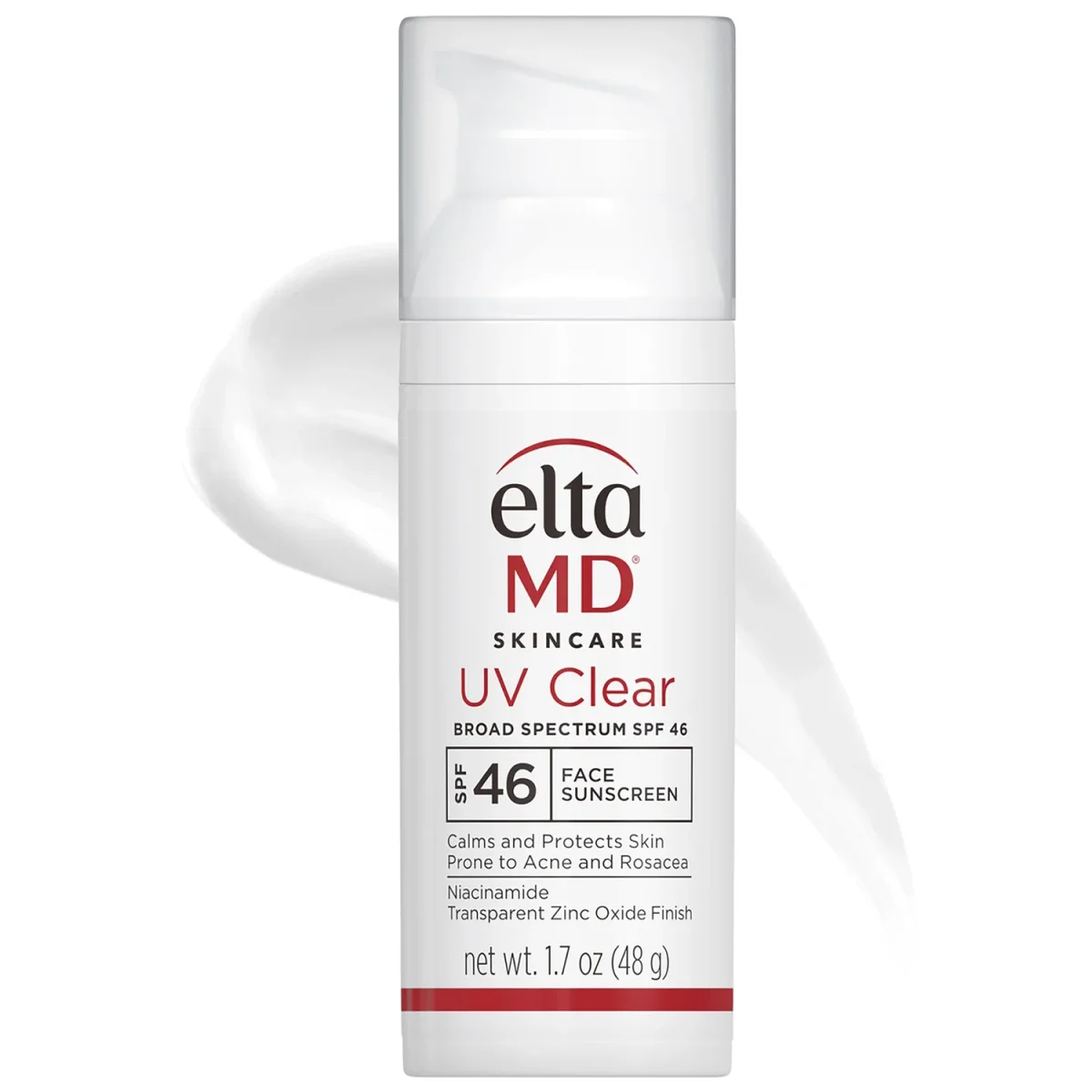
The single highest-return product in a five-minute morning routine is EltaMD UV Clear SPF 46 - it combines SPF 46, 5% niacinamide, and a matte finish that actually works on skin, replacing two or three separate steps with one product you'll use every day because it doesn't feel like wearing a face mask. If you do nothing else, do this.
The problem with most grooming guides aimed at men is that they exist in one of two parallel universes. Universe one: thirty-minute routines with twelve steps, a gua sha tool, and the assumption that you've already cleared a shelf in your bathroom and are ready to discuss 'skin cycling.' Universe two: 'wash your face and drink water, king' - which, fine, but you already knew that and your pores haven't thanked you.
This guide lives in neither. It's for men who've looked in a mirror recently and thought something vaguely like *I could be doing better* - without wanting to become the guy who travels with a dedicated skincare bag. Five products. Five minutes. Real, measurable results. The kind of softmaxx territory that genuinely moves the needle without requiring you to post about your morning routine or understand what 'slugging' is. Don't worry about it.
The products below are ranked, honest, and chosen because they work - not because they have a good brand story or a TikTok with four million views. There's a budget path through this entire routine for under $40. There's a premium path if you want to spend more on one specific step. And there's a clear answer for what to do first if you're going to do anything at all.
Featured Products
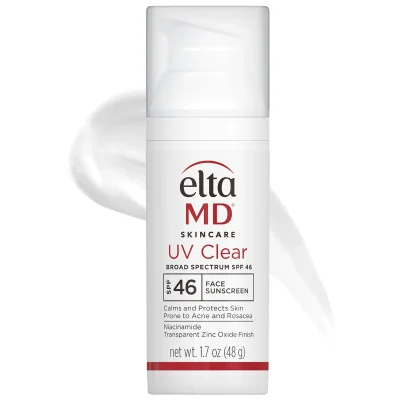
The top pick in this guide for good reason - it combines the highest-return daily intervention (SPF 46) with a passive skin treatment (5% niacinamide) in a matte, non-comedogenic formula that oily and acne-prone skin can actually wear. The 48ml tube runs out faster than you'd like, but the formula is genuinely superior to most mass-market SPFs and the niacinamide results at four to six weeks are real. This is the one to spend on.
UV protection is responsible for 80-90% of visible skin ageing, and this is the best daily-wear SPF in this guide's price bracket. Nothing else in this stack comes close for return on investment.
Does exactly what a morning cleanser should - removes overnight oil without stripping the barrier - and costs almost nothing per wash. Not exciting. Not meant to be. The lack of foam will feel wrong for a week and then you'll stop noticing, because your skin will behave better. The budget foundation of this entire routine.
A non-stripping cleanser is the prerequisite for everything applied afterwards working correctly - skip this step and you're applying SPF over a compromised barrier.
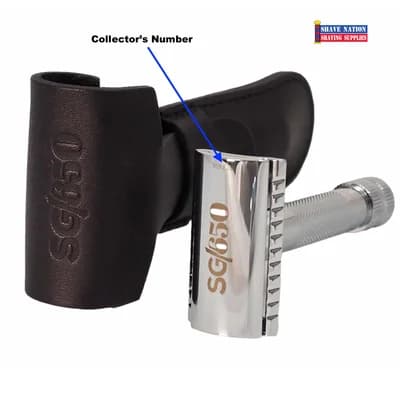
The strongest long-term cost argument in this guide - $6-12 per year on blades versus $48+ for cartridges, with a single-blade shave that meaningfully reduces ingrowns. Two to four weeks to learn properly, real nicks in the early sessions, genuinely worth it for regular shavers. Not for everyone - but if you shave five times a week and still use Fusion5, this is overdue.
For men who shave regularly, the razor is part of the five-minute routine - and the difference in shave quality and long-term cost versus cartridge alternatives justifies inclusion.
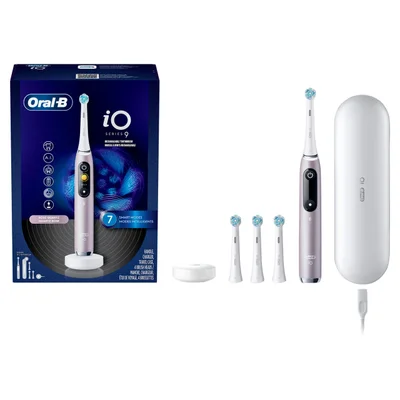
Clinical outcomes are real - 100% more plaque removal versus manual is documented, not marketing, and the pressure sensor actively corrects technique errors most people don't know they're making. The honest caveat is that the iO Series 4 uses the same core technology at half the price, and the seven cleaning modes situation is a case study in feature inflation. Buy the Series 4 unless you specifically want the AI coaching display.
Dental health and appearance do more for overall face read than most skincare products - and electric brushing with clinical-grade plaque removal is the highest-impact baseline in this guide.
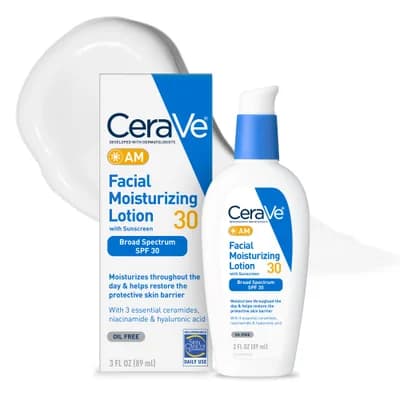
The budget SPF path - combines moisturiser, ceramides, and SPF 30 in one step for around 15-20 cents per application. The white cast on medium-to-dark skin is real and the texture is heavier than EltaMD, but the habit matters more than the formula. At this price, the barrier to daily use is essentially zero.
The most accessible daily SPF option in this guide, and the right choice for drier skin types or anyone building the SPF habit for the first time on a tight budget.
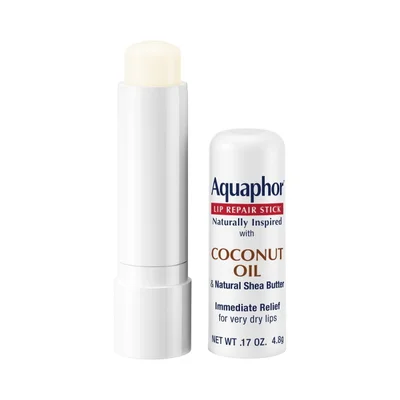
41% petrolatum, visible improvement in 24-48 hours, under $6 for three months of use. The case for this product is completely simple and requires no elaboration. Apply at night. Done.
Visibly neglected lips are one of the easiest things to fix in a morning routine - and Aquaphor's occlusive barrier delivery is both clinically sound and dramatically underpriced.
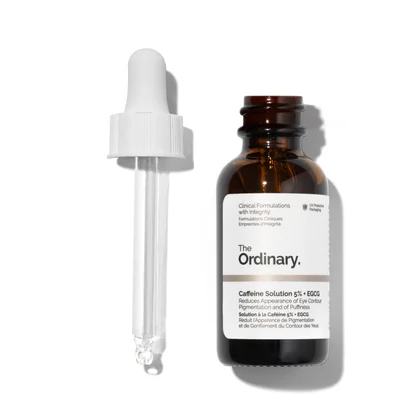
The right product for the right problem - vascular dark circles and morning puffiness - at a price point that makes every comparable eye cream look like performance art. The honest caveat matters: if your dark circles are pigmentation-based rather than vascular, this does nothing. But if they're the bluish-purple kind that gets worse after bad sleep, this is the most defensible $9 in this guide.
Under-eye puffiness and dark circles are one of the most visible morning-routine problems, and The Ordinary's caffeine concentration and price point make it the obvious first tool for men with vascular-type circles.
Why Five Minutes Is Enough (If You Pick the Right Five Minutes)
Here's the thing the skincare industry doesn't want you to believe: the compounding returns on grooming are front-loaded. The first five minutes of a consistent morning routine - cleanser, SPF, one targeted treatment - do about eighty percent of the visible work. Everything after that is diminishing returns dressed up as optimisation.
The science backs this up. UV damage is responsible for approximately 80-90% of visible skin ageing - lines, pigmentation, texture, the lot. A basic barrier-supporting cleanser costs you nothing in skin health. An eye product that reduces visible puffiness takes fifteen seconds to apply. That's it. That's the routine. The thirty-step regimens exist because the industry needs to sell you thirty products, not because your face requires thirty steps.
What this guide gives you is the minimum viable stack - the five decisions that do actual work, in the order that makes them work best, with honest assessments of where to spend and where to save. No filler. No cope dressed up as optimisation.
---
Step 1 - Cleanse: The Part Everyone Gets Wrong Before They Even Start
CeraVe Hydrating Facial Cleanser
Score: 88/100 - Budget pick
Best for: Everyone. Genuinely everyone. If you have skin and it's on your face, this is where you start.
The brief is simple: remove overnight oil and debris without stripping the skin barrier, so everything applied afterwards actually works. Most men either skip this step entirely - bar soap on the face is not a grooming routine, it's a coping mechanism - or they overcorrect with foaming cleansers that strip the barrier and leave skin tight enough to feel clean, which is exactly the wrong outcome.
CeraVe Hydrating Facial Cleanser uses a micellar-style, non-stripping formula that does the job without the drama. It contains ceramides - the lipids your skin barrier is built from - which means it's actively supporting barrier function rather than degrading it. Fragrance-free, dermatologist-tested, and genuinely reproducible batch to batch. That sounds boring and is genuinely important.
Performance: Sixty seconds, pump twice, rinse. It doesn't foam aggressively, which will feel psychologically wrong if you've been using something that does. That's not a product failure - that's the product working. Tight-skin feeling after cleansing means your barrier is compromised. No tight feeling means you're ready for the next step.
Price: Under $17 for a 16oz pump bottle. Per-wash cost is so low it's essentially irrelevant to any calculation. This is not where you spend money.
Honest cons: It's not exciting. It does nothing active for acne, texture, or pigmentation. If your skin needs treatment, a cleanser is rarely the vehicle for it. Also: the pump bottle is aesthetically graceless - if your bathroom shelf looks like a Soho House changing room, this bottle is going to jar. Your face won't care.
> Mariana's Take: Men who skip face washing before SPF are essentially applying sunscreen over a layer of overnight grease. I notice the difference - clean, hydrated skin just reads better in a room. It's not dramatic, but it's real.
---
Step 2 - SPF: The Single Highest-Return Investment in This Entire Guide
SPF is the entire game. Everything else in this guide is marginal improvement. SPF, worn daily, is the one intervention with actual population-level data behind it - 80-90% of visible ageing is UV-related, and most of that damage accumulates before 40 on the days you thought it was fine because it was cloudy. It wasn't fine.
You have two options here depending on budget and skin type. Both are genuinely good. One is slightly better.
Option A - EltaMD UV Clear SPF 46 *(Top Pick)*
Score: 91/100 - Mid-range
Best for: Normal to oily or acne-prone skin. Anyone who's previously avoided SPF because it felt like applying a thin layer of furniture wax to their face.
This is the one. EltaMD UV Clear is a mineral-chemical hybrid SPF - 9% zinc oxide plus octinoxate - with 5% niacinamide built in. Niacinamide at that concentration visibly reduces sebum production and redness after four to six weeks of consistent use. So you're getting sun protection *and* a passive skin treatment in the same forty-five-second application. Matte finish. No meaningful white cast for a zinc-containing formula. Fragrance-free, non-comedogenic, safe for acne-prone skin.
Performance: Apply a quarter teaspoon to the whole face - which is more than most men use, and less than feels like enough, and exactly the right amount. Absorbs within thirty to forty seconds. Leaves a clean, slightly matte finish that doesn't require a separate primer step. Niacinamide benefits accumulate over weeks - this is a daily wear product, not a one-time event.
Price: Around $37 for 48ml. The tube runs out faster than you'd like if you're applying correctly - roughly six to eight weeks for daily use. Per-application cost lands around 60-70 cents, which sounds like a lot until you remember that the alternative is photoaged skin and a dermatologist consultation at fifty.
Honest cons: 48ml isn't generous. The UVA protection is marginally behind newer European filters like Mexoryl 400 in Anthelios UVMune - relevant if you're outdoors in genuinely high-UV conditions regularly. Slightly flat on dry skin types; drier complexions may prefer Option B.
Option B - CeraVe AM Facial Moisturizing Lotion SPF 30
Score: 84/100 - Budget pick
Best for: Drier skin types, or anyone who wants a single step that combines moisturiser and SPF and costs almost nothing.
SPF 30, ceramide support, niacinamide - one product, one step, under $15. The texture is slightly heavier than EltaMD and takes a beat longer to absorb, but it's fragrance-free, non-comedogenic, and has been reliably the same formula for a decade. The faint white cast is real and more pronounced on medium-to-dark skin tones, which is the honest version of 'suitable for all skin tones' that most reviews won't give you.
If you're new to SPF and want to spend the least possible while building the habit, start here. The habit matters more than the product. SPF 30 every day beats SPF 50 three days a week because you ran out and forgot to reorder.
Price: Around $15 for a generous bottle. Per-application cost is roughly 15-20 cents. This is budget SPF done correctly.
Honest cons: SPF 30 is the minimum recommended threshold - outdoor workers or people in sustained high-UV environments should be at 50+. Texture is noticeably heavier than premium Japanese formulas. Not the one if you run oily.
---
Step 3 - Eyes: The One Product That Makes a Visible Difference Before You Leave the House
The Ordinary Caffeine Solution 5% + EGCG
Score: 82/100 - Budget pick
Best for: Men with vascular dark circles - bluish-purple, worse after poor sleep - and morning puffiness. Not for genetic or pigmentation-based dark circles. That's a different problem and this is not the solution.
Two taps under each eye. Fifteen to twenty minutes later, visible reduction in puffiness through vasoconstriction - caffeine contracts blood vessels, reducing the pooling that creates the dark, puffy under-eye read. The mechanism is legitimate. The 5% caffeine concentration is among the highest available in a non-prescription topical, and The Ordinary actually discloses it, which is more than most eye creams do.
This costs around $9. Kiehl's Creamy Eye Treatment costs $40. Clinique All About Eyes costs $35. The Ordinary's caffeine concentration is higher than both. I am not making this up.
Performance: Temporary and cumulative rather than transformative - this won't rescue you after three hours of sleep, but daily use maintains a meaningfully better baseline. Apply before SPF, let it absorb for thirty seconds, continue. The watery texture layers cleanly under everything else.
Price: Under $13 in the UK, around $12 in the US. Genuinely one of the best value-per-active stories in grooming.
Honest cons: If your dark circles are brown rather than purple - if they look the same after a good night's sleep as they do after a bad one - they're pigmentation-based or genetic, and caffeine is cope at any price. Worth being honest about before you buy. Also: watery clinical packaging, no sensory payoff whatsoever. Effective. Not luxurious.
> Mariana's Take: The under-eye area is genuinely the first thing I clock on a man's face. Puffiness reads as tired, unwell, or both - and tired is the least attractive thing a man can look. A $9 fix for that is not something to skip.
---
Step 4 - Lips: The Thirty-Second Fix Nobody Talks About Because It's Too Simple
Aquaphor Lip Repair
Score: 82/100 - Budget pick
Best for: Anyone with dry, cracked, or visibly neglected lips - which is a meaningfully large percentage of men who don't use lip products because they think it's not for them.
Dry, chapped lips are ageing in the same way dry skin is ageing - they signal neglect, not aesthetic choice. Aquaphor Lip Repair is 41% petrolatum, which is an occlusive barrier ingredient that actually works rather than just feeling like it does. Apply the night before, wake up with noticeably better lips. Apply in the morning and you're covered. Visibly improved condition within 24-48 hours of consistent use.
This isn't a chapstick. It outlasts most standard lip balms by a factor of two to three. It's what dermatologists actually reach for when skin barrier repair is the brief.
Price: Under $6 for a tube that lasts three months minimum with nightly use. Per-application cost is effectively zero. This is where the budget argument is most decisive.
Honest cons: No SPF, which is a real omission for daytime use - anyone outdoors regularly should be looking at an SPF lip product during the day. The texture is thick and greasy immediately post-application - it's a night use or just-before-you-leave product, not something you wear on a date and expect to go unnoticed. The tube is aesthetically inert. None of these are reasons not to use it.
---
Step 5 - Teeth: The Baseline That Does More for Your Face Than Any Serum
Oral-B iO Series 9 Electric Toothbrush
Score: 84/100 - Premium pick
Best for: Men who are serious about this one specific upgrade and want the best current option. Not necessary if you already use a quality electric toothbrush.
Look, your teeth are doing more for your overall attractiveness than any skincare product in this guide. Plaque removal, gum health, staining - these are visible, they affect breath, they affect smile read, and they're the one area where a hardware investment has genuinely measurable clinical outcomes.
The Oral-B iO Series 9 has clinical data supporting 100% more plaque removal versus manual. The oscillating-rotating mechanism has broader dental literature behind it than sonic alternatives for gumline work specifically. The real-time pressure sensor with colour feedback is not a marketing feature - most people brush too hard, damage gum tissue over years, and don't know it. The iO corrects that in real time.
Performance: Two minutes, twice a day. The AI coaching display tracks sessions and creates genuine behavioural accountability - which sounds unnecessary until you notice your brushing improving because of it. Two-week battery life means no daily charging anxiety. Magnetic dock is genuinely premium build.
Price: $150-220 depending on where you buy, plus $10-15 per quarter on replacement heads - a cost Oral-B doesn't advertise prominently. The iO Series 4 uses the same core technology and brush head for around $70, which is the honest recommendation if the budget matters more than the display. Seven cleaning modes sounds exciting. You will use 'Daily Clean' and 'Whitening.' That's it. That's the deck.
Honest cons: Expensive for what is, at its core, a toothbrush. The Series 4 closes most of the gap at half the price. The replacement head cost adds up. But compared to the alternative - visible dental neglect, which no SPF in the world corrects - this is still the most defensible big spend in this guide.
---
The Optional Upgrade: If You Shave, Make It Count
Merkur 34C Safety Razor
Score: 87/100 - Budget pick (long-term)
Best for: Men who shave regularly and are currently spending money on cartridge razors while getting a worse shave.
This section is conditional - if you don't shave, skip it. If you do shave, the Merkur 34C is the most straightforward argument against Gillette's pricing model you can hold in your hand.
Double-edge safety razors are not a retro affectation. Single-blade shaving meaningfully reduces ingrown hairs and razor bumps compared to five-blade cartridges, which lift and cut the hair below the skin line. For men with curly or coarse hair growth patterns prone to ingrowns, this is not a marginal improvement - it's the difference between a clean shave and a shave that looks worse two days later than it did before you started.
The 34C has a closed-comb head geometry that's forgiving enough for beginners. The chrome zinc alloy construction will outlast every plastic-handled cartridge razor you've ever owned. Blade cost runs roughly $6-12 per year for a standard shaving habit versus $48+ for Fusion5 cartridge heads. The maths are not subtle.
Performance: There is a learning curve of two to four weeks. You need to unlearn the pressure you apply with cartridge razors - the weight of the razor does the work. Nicks are likely in the first couple of weeks. They stop once the technique is right. Short-handled at 84mm, which men with larger hands may find fiddly - the Edwin Jagger DE89 has a longer handle for the same price range if that's relevant.
Price: Around $40-50 upfront, then effectively nothing. The lifetime cost argument is so strong it should make you vaguely annoyed you didn't switch earlier.
Honest cons: Not adjustable - if your beard growth is directionally inconsistent or particularly coarse, an adjustable razor gives you more control. Learning curve is real and takes genuine patience. Also: not faster than a cartridge razor once you're proficient. About the same. The benefit is in the result and the cost, not the time.
---
The Full Five-Minute Stack: What It Costs, What It Delivers
The Budget Path
- CeraVe Hydrating Facial Cleanser: ~$17
- CeraVe AM Facial Moisturizing Lotion SPF 30: ~$15
- The Ordinary Caffeine Solution 5% + EGCG: ~$12
- Aquaphor Lip Repair: ~$5
- Oral-B iO Series 4 (honest budget recommendation): ~$70
Total upfront: ~$119. Ongoing monthly cost once you're stocked: roughly $3-5.
The Premium Path (SPF upgrade)
- CeraVe Hydrating Facial Cleanser: ~$17
- EltaMD UV Clear SPF 46: ~$37
- The Ordinary Caffeine Solution 5% + EGCG: ~$12
- Aquaphor Lip Repair: ~$5
- Oral-B iO Series 9: ~$180
Total upfront: ~$251. Ongoing monthly cost: roughly $8-10.
What this delivers: Skin barrier protection, daily UV defence with passive niacinamide treatment, visible reduction in under-eye puffiness, noticeably better lip condition, and meaningfully improved dental hygiene. These are not aspirational outcomes - they're the documented results of using these specific products consistently. The timeline for visible improvement is four to six weeks for SPF and niacinamide effects; 24-48 hours for lips and eyes.
---
What Comes Next: The Softmaxx Tier Above This
Once this routine is habit - once you're not thinking about it - there are three obvious next steps, none of which require thirty minutes or a lifestyle rebrand:
Retinol (evenings): The single most evidence-backed active for skin texture and fine lines. Not in this guide because it's an evening product and takes adaptation. But it's the first upgrade.
Vitamin C serum (mornings, under SPF): Works synergistically with SPF to address pigmentation. Add it between cleanse and SPF when you're ready for one more step.
Diet, sleep, hydration: Not grooming products, but they do more for your face than any of the above. I know. Boring. True.
Tips
- 1.Apply The Ordinary Caffeine Solution before SPF and give it thirty seconds to absorb - layering immediately underneath a heavier product slows how quickly the caffeine reaches the tissue.
- 2.The correct SPF amount is a quarter teaspoon for the whole face. Most men apply roughly half that and wonder why they're still getting UV damage. Measure it once so you know what it looks like.
- 3.Use Aquaphor the night before a day you want to look noticeably better - lips improve within 24-48 hours of consistent use, which means tonight's application is tomorrow morning's result.
- 4.If you're switching to the Merkur 34C from cartridges, let the weight of the razor do the work - zero applied pressure, thirty-degree angle, short strokes. The learning curve is real but it's two weeks, not two months.
- 5.Build the routine as a sequence attached to something you already do - after shower, before coffee, whatever the existing anchor is. Habit stacking is the only reason this takes five minutes rather than fifteen.
The Bottom Line
The minimum viable morning routine is not complicated. Cleanse without stripping. Wear SPF every day without exception - EltaMD UV Clear if your budget allows it, CeraVe AM if it doesn't. Two taps of caffeine solution under each eye. Aquaphor on your lips the night before. Brush your teeth properly. That's it. That's the point or two on the table, and I cannot stress this enough - no bone-smashing required.