
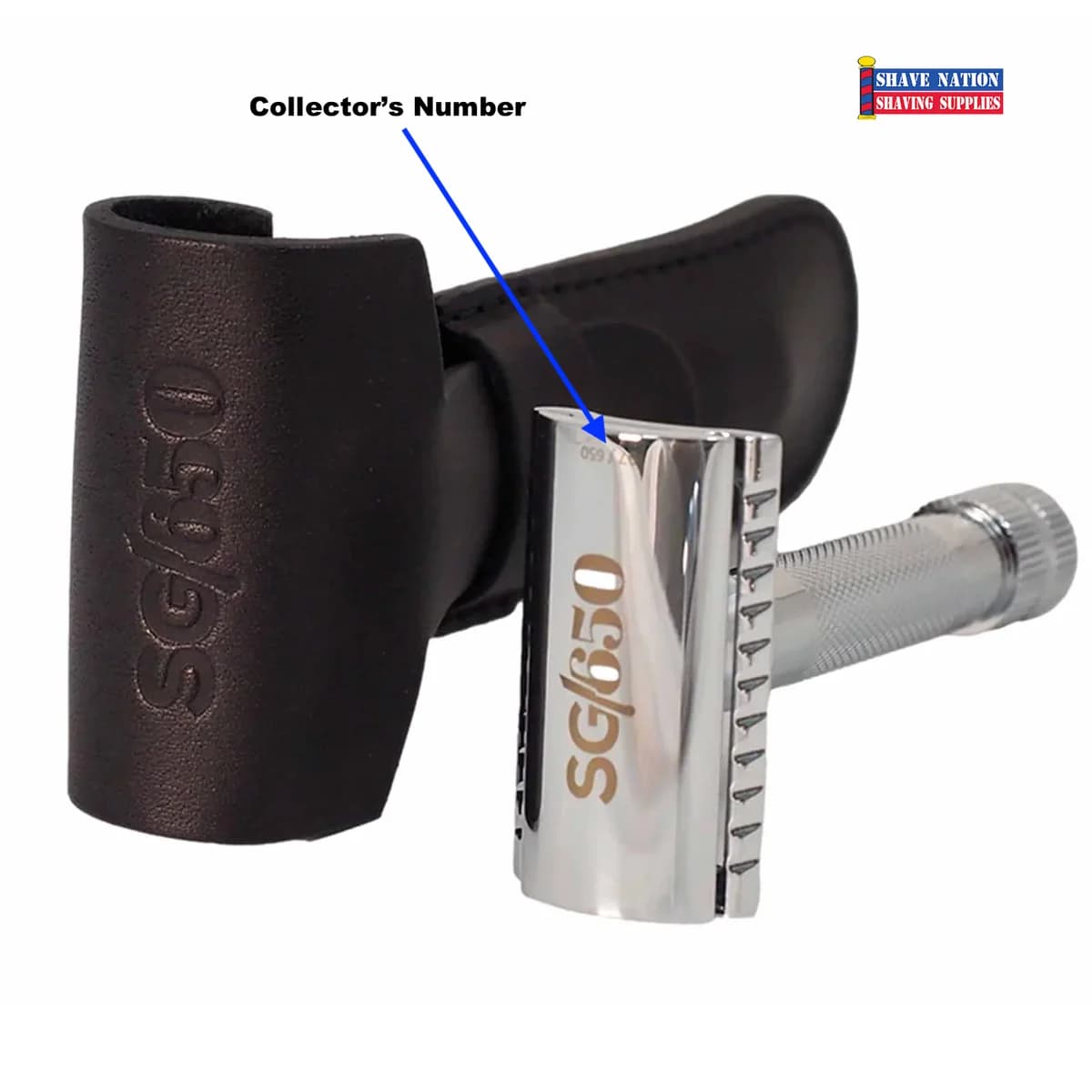
Merkur
34C Safety Razor
German engineering for your face, not your ego
“The razor that makes Gillette's pricing model look like the grift it is.”
Last updated: August 25, 2026
Score Breakdown
Performance
Effort
Experience
Pros & Cons
Pros
- Lifetime cost vs cartridge razors is drastically lower — blade habit runs roughly $6–$12/year vs $48+ for Fusion5 heads
- Closed-comb head geometry is forgiving enough for beginners while still delivering a genuinely close shave
- 79g chrome zinc alloy construction is durable enough to outlast essentially any plastic-handled alternative
- Single-blade shave significantly reduces ingrown hairs and razor bump frequency compared to multi-blade cartridges
Cons
- 84mm handle is on the shorter side — men with larger hands may find the Edwin Jagger DE89 or a longer-handled alternative more comfortable
- Learning curve of 2–4 weeks to unlearn cartridge-razor pressure habits; nicks likely in early use
- Not adjustable — for men with coarse, fast-growing or directionally inconsistent growth, an adjustable razor like the Rockwell 6C offers more tailoring
Best For
- Men switching from cartridge razors who want better skin results and lower long-term cost
- Standard to sensitive skin prone to ingrown hairs or post-shave irritation from multi-blade drag
- Anyone who shaves three or more times per week and has quietly accepted Gillette's pricing as inevitable
Avoid If
- Complete shaving beginners with no patience for a learning curve — consider the Henson AL13 for a more engineered beginner experience
- Men who travel frequently and face strict carry-on blade restrictions — blade disposal logistics become a genuine inconvenience
Full Review
The 34C is for the man who has done the maths on cartridge razors and felt genuinely insulted. If you're spending $25 a month on Fusion5 heads because Gillette has decided that's what a clean shave costs now, this is the exit ramp. It's also — and this is worth stating clearly — for men who want better skin alongside a closer shave. The single blade doesn't drag, doesn't lift and cut (the cause of most ingrown hairs), and doesn't require three passes of pressure that leaves your neck looking like you lost an argument with a cheese grater. The softmaxxing case for switching is real: fewer irritation bumps, less post-shave redness, a cleaner result over time. The hardmaxxing case — that a safety razor will transform your jawline definition — is, to be diplomatic, mostly cope. Though it does stop you hiding behind mediocre shaves.
What the 34C actually does, mechanically, is hold a standard double-edge blade at a fixed, mild-aggressive angle via its closed-comb head. The head geometry is forgiving — more so than the Merkur 37C slant or anything from RazoRock's more aggressive lineup — which is why it consistently gets recommended as the starter razor. The handle is 84mm, shorter than many competitors (the Edwin Jagger DE89 runs slightly longer at 89mm), which gives more control around the jaw and upper lip but can feel stubby if you have large hands. The chrome-plated zinc alloy construction is heavy enough to do most of the work for you — roughly 79g — meaning you don't need to apply cartridge-razor pressure. That's the adjustment. Most first-time users cut themselves not because the razor is dangerous, but because they're pressing like they're trying to get the last of a tube of toothpaste.
Performance comparison: against the Edwin Jagger DE89, the standard point of comparison, the 34C is marginally more aggressive and notably more compact. Against the Henson AL13, an aluminium lightweight alternative that's gathered a significant cult following since around 2022, the 34C is heavier and cheaper to replace if dropped, but the Henson's blade gap precision is arguably more engineered. Against the Rockwell 6C (adjustable head, six settings), the 34C is less versatile but more durable long-term and considerably simpler. For most men — particularly those with standard skin, growing in one direction, shaving three to five times a week — the 34C sits in a sweet spot of mild aggression, weight, and control that the competition hasn't really displaced. Blade choice matters more than most beginners realise: a Feather (Japanese, very sharp, less forgiving) paired with the 34C is a different tool than an Astra SP (smoother, more forgiving, widely recommended for the learning phase). The razor is just the handle; the blade is the variable.
Cost: the 34C retails between $38–$45 USD (approximately $38–$45) as a one-time purchase. A 100-pack of Astra blades costs around $12. At two blades per week, that's roughly $6.25 a year in blades. Compare that to a 12-pack of Gillette Fusion5 heads at roughly $48, lasting maybe 12 weeks at best. The maths are not subtle. The 34C pays for itself inside three months against a cartridge habit and keeps paying indefinitely. The shave cream you choose will matter more for skin results than the razor itself — Proraso Sensitive, Taylor of Old Bond Street, or even a decent drugstore foam will meaningfully affect your post-shave skin quality. Don't let anyone sell you $50 artisan soap on the strength of the hardware switch.
Jamie's verdict: the 34C is not exciting, which is exactly the point. It's a 79g piece of German manufacturing that will outlast your current phone, your current gym membership, and probably your current relationship. The looksmaxxing content farm would have you believe wet shaving is a 'ritual' requiring $260 of kit and a badger brush hand-turned in Vermont. It isn't. It's washing your face, applying something lubricated, and pulling a sharp thing across it carefully. The 34C does that better than cartridge razors, costs less over any reasonable time horizon, and produces fewer ingrown hairs if you use it with half a brain. It is, in the vocabulary: a genuine lever. Not a mog. Just a better shave.
Details
Reviews
No reviews yet. Be the first to share your experience.
Featured In
VS
Safety Razor vs Cartridge Razor: Which Actually Gives You a Better Shave in 2026?
The Merkur 34C paired with Astra Superior Platinum blades wins on shave quality, skin health, and long-term cost. The single-blade geometry cuts ingrown hairs meaningfully versus multi-blade cartridges, and your running cost drops to roughly $8-16 a year once you're past the two-to-four week learning curve. If you can handle three weeks of slightly worse shaves while your technique catches up, you'll never go back to paying $5 a head for Fusion5 cartridges.
BEST OF
Best Safety Razors for Men 2026: The Merkur 34C and the Beginner DE Kit That Actually Works
The Merkur 34C paired with Astra Superior Platinum blades is the best beginner DE setup in 2026. The razor costs around $40, lasts a lifetime, and with blades running about $0.03-0.05 each, you're looking at roughly $8-13 a year on blades versus $65+ for Fusion5 cartridges. There's a two-to-four week learning curve and you will nick yourself. Still worth it.
ROUTINE
The Five-Minute Morning Routine: The Minimum Viable Setup That Actually Adds a Point
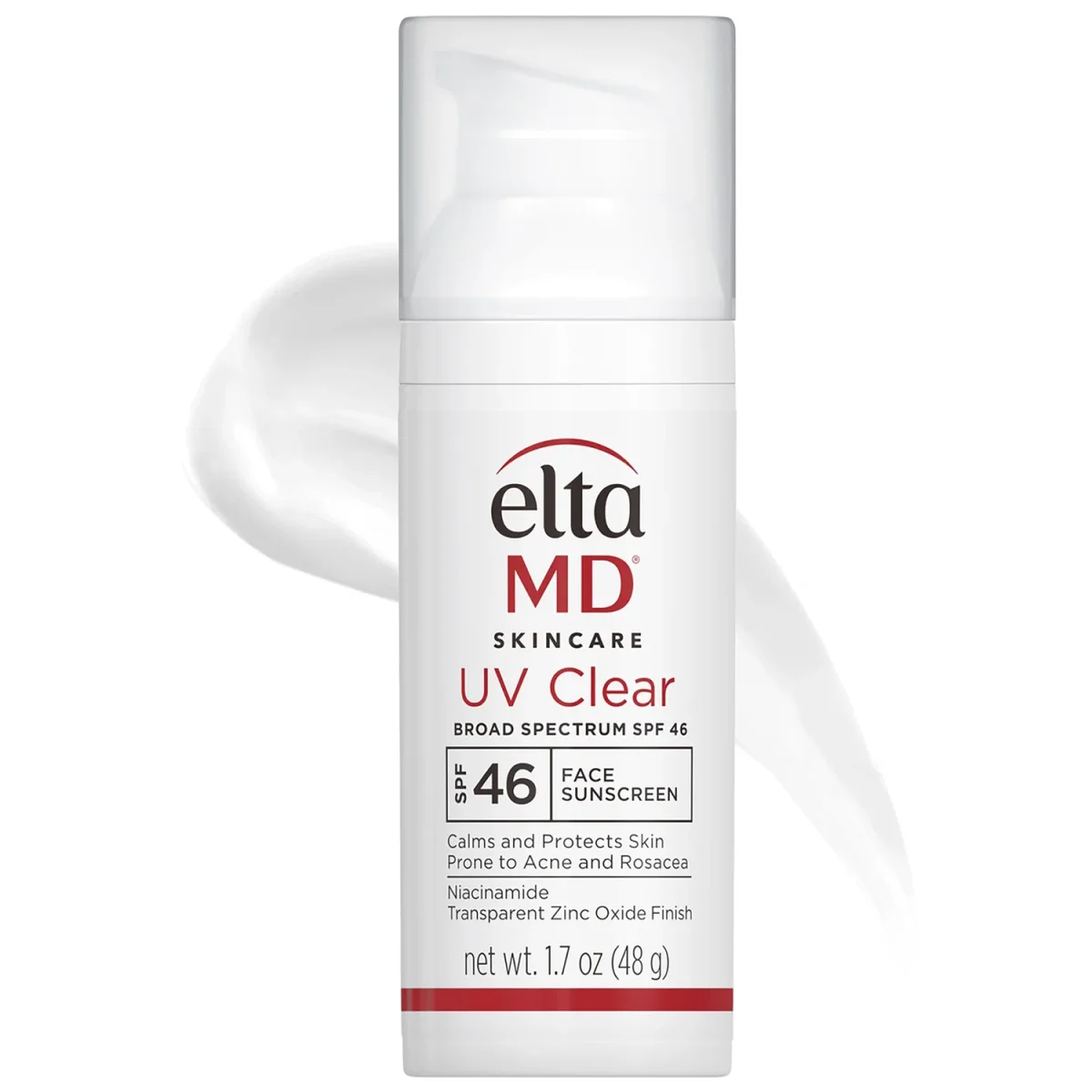
The single highest-return product in a five-minute morning routine is EltaMD UV Clear SPF 46 - it combines SPF 46, 5% niacinamide, and a matte finish that actually works on skin, replacing two or three separate steps with one product you'll use every day because it doesn't feel like wearing a face mask. If you do nothing else, do this.
VIBE GUIDE
Mewing, Hardmaxxing, and Other Lies the Internet Sold You: The Softmaxx Products That Actually Work
The EltaMD UV Clear SPF 46 is the single most impactful softmaxx product you can buy. Daily SPF is the only anti-ageing intervention with consistent clinical backing, and this one adds 5% niacinamide, leaves no white cast, and costs less per year than one round of whatever treatment the TikTok algorithm is currently selling you.
BEST OF
Best Safety Razor Blades 2026: How to Choose Double-Edge Blades by Sharpness and Skin Type
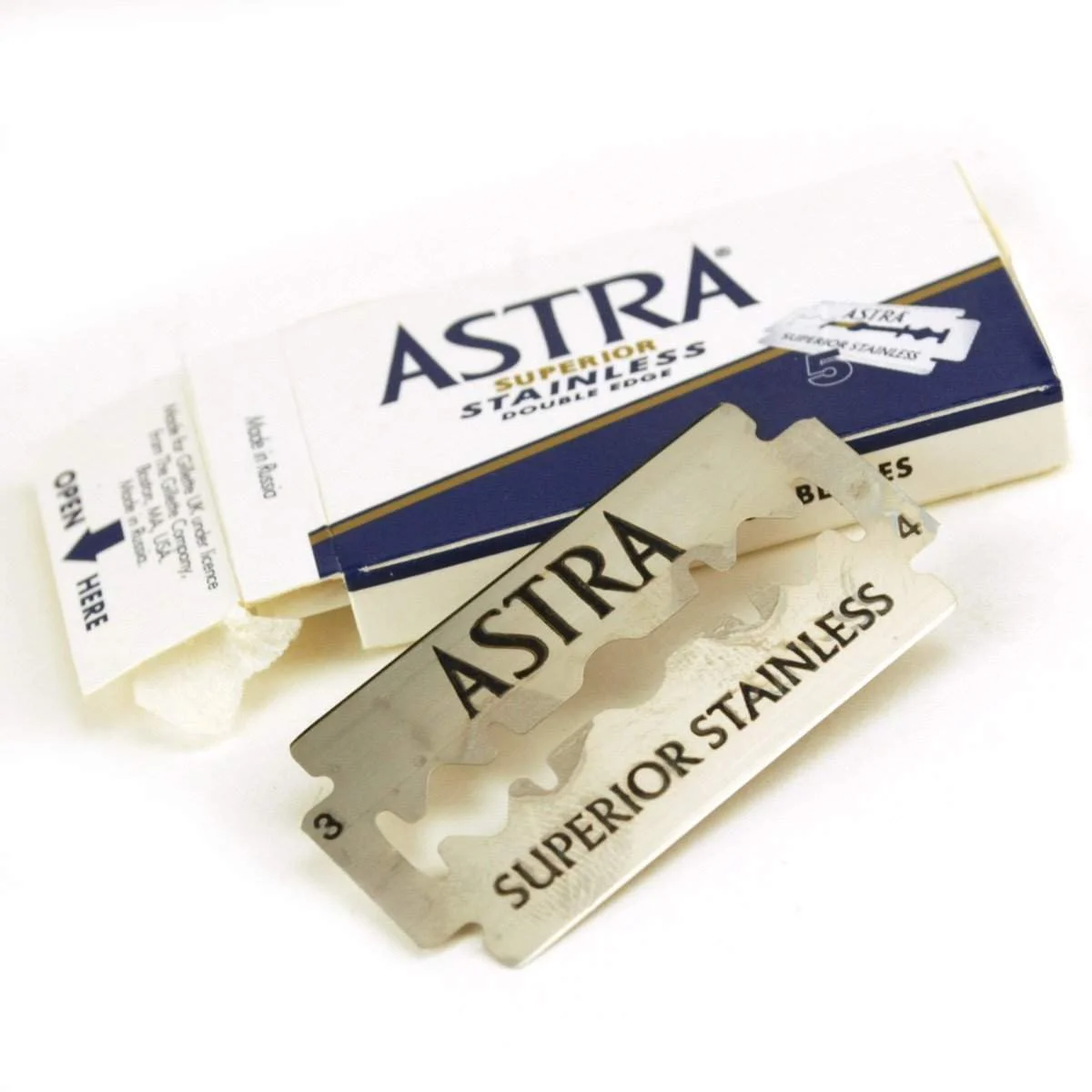
The Astra Superior Platinum is the right blade for most men: sharp enough to actually do the job, forgiving enough that you won't bleed through your first three shaves, and so cheap per use that switching from cartridges feels like catching Gillette with their hand in your wallet. Start here unless you've already got technique locked - in which case, upgrade to Feather Hi-Stainless.
BEST OF
Best Men's Shaving Gear 2026: Razors, Creams, and the Aftershaves That Don't Burn
The Merkur 34C paired with Astra Superior Platinum blades is the best shaving setup for most men in 2026. The razor costs around $40 once and the blades run to roughly $0.03-0.05 each - after the learning curve (give it three weeks, not three shaves), the shave quality beats a Fusion5 cartridge and the annual cost is embarrassing by comparison. If you're not ready to commit to a safety razor, Harry's Truman is the honest cartridge option that at least doesn't pretend the pricing model is fair.
VIBE GUIDE
Beard Oil Is Mostly Cope (and Other Things Looksmaxxing TikTok Won't Tell You)
If you're only going to fix one thing, make it SPF. EltaMD UV Clear SPF 46 is the sunscreen dermatologists actually use on themselves - matte, niacinamide-spiked, and invisible enough that you'll run out of excuses not to wear it daily. Everything else in this guide is worth doing, but nothing moves the needle on long-term skin quality like consistent sun protection.