ROUTINE
The Simple Acne Routine for Men: Clear Skin in Four Steps, No Prescription, Under $55
Cleanse, acid, niacinamide, moisturiser — the drugstore stack that does most of the work
Last updated: November 9, 2026
Quick Answer
The whole routine runs under $55, and the step doing the real work is Stridex Maximum Strength: 2% salicylic acid, 90 pads, under $9, the same active strength as exfoliants charging twenty times more. Cleanse, acid, niacinamide, moisturise with SPF, done.
Look, male acne advice online splits neatly into two useless camps. Camp one: "see a dermatologist" (helpful eventually, also a six-week wait and a referral letter). Camp two: a $300 serum with a founder story, a cold-plunge anecdote and a before/after shot taken under two entirely different lighting setups. Neither of those is a routine. One's a waiting room, the other's a pitch deck.
The annoying truth is that the formulas that actually move the needle on mild-to-moderate acne are boring, available in any pharmacy, and cost less than a round of drinks. Four steps. Five products. Under $55 total. No prescription, no founder, no ice bath. The actives are the same actives in the expensive stuff, minus the branding budget baked into the price.
I'll also tell you what this won't fix, because that bit matters more than the shopping list. If you've got cystic nodules tracking along the jawline, no quantity of salicylic acid pads is sorting that, and anyone telling you different is selling something. But if it's congestion, blackheads, shine by 2pm and the occasional cluster of spots that show up two days before anything socially important? This is the stack. Let's walk it.
Featured Products
The foundation of the whole thing: cleans without stripping, so your skin doesn't overproduce oil in retaliation. Under $17 for 16oz and the best per-wash value in the stack. It does nothing active and barely lathers, so if you need foam to feel clean, you'll need to get over that.
Step 1 - a non-stripping cleanser is what makes every active applied afterwards work properly.
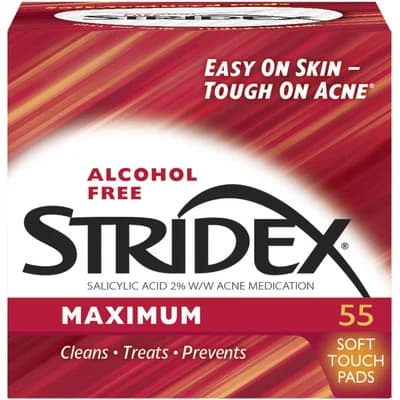
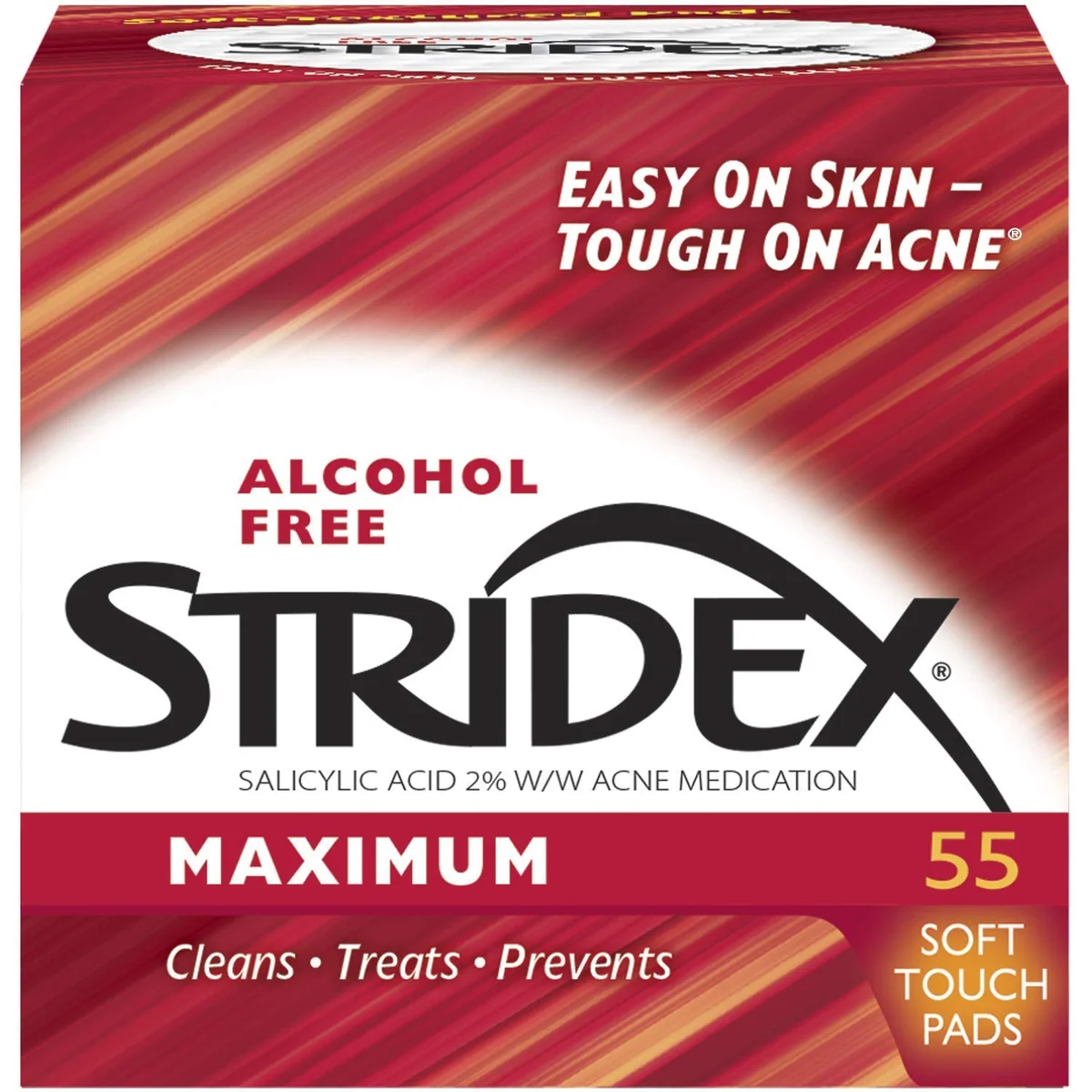
This is the step doing the real treatment work, and at under $9 for 90 pads it matches Paula's Choice BHA on active strength at about 5% of the price. One swipe, under ten seconds, which is the actual reason people stick with it. The ~50% alcohol content is genuinely drying though, so dry or reactive skin should start every other night.
It's the actual acne treatment in the routine, at the maximum over-the-counter salicylic acid strength, for under $9.
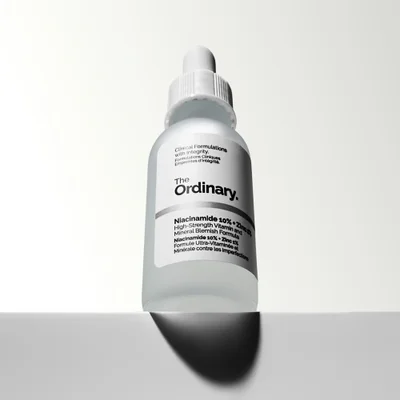
Under $6 for 10% niacinamide at the clinical ceiling, undercutting the Paula's Choice equivalent by roughly $48 a bottle. Expect visible change in oiliness and pore appearance around weeks four to six, not days. It does one job, and it needs a full 60 seconds to absorb or it'll pill under your moisturiser.
Step 3 - the oil and pore regulator, and the clearest proof in men's skincare that price has nothing to do with active strength.
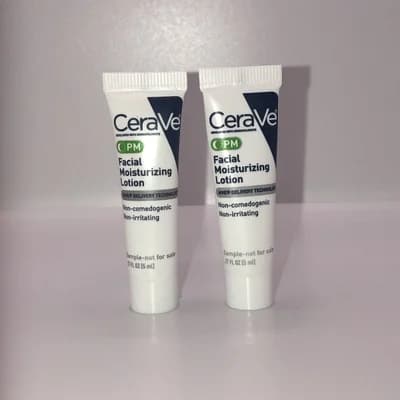
Puts the barrier back after an alcohol-based acid and a 10% serum, with 4% niacinamide labelled openly instead of buried in a proprietary blend. Absorbs in under a minute, no greasy residue. Too lightweight if your skin's properly dry, in which case go richer come winter.
Step 4a - the overnight barrier repair that makes a daily acid routine sustainable rather than irritating.
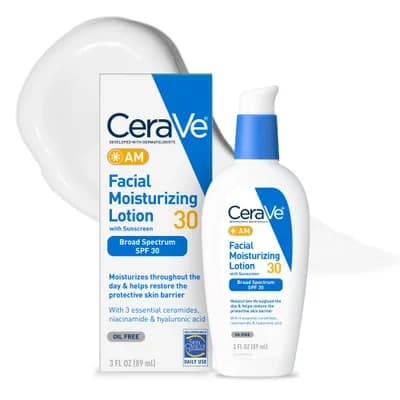
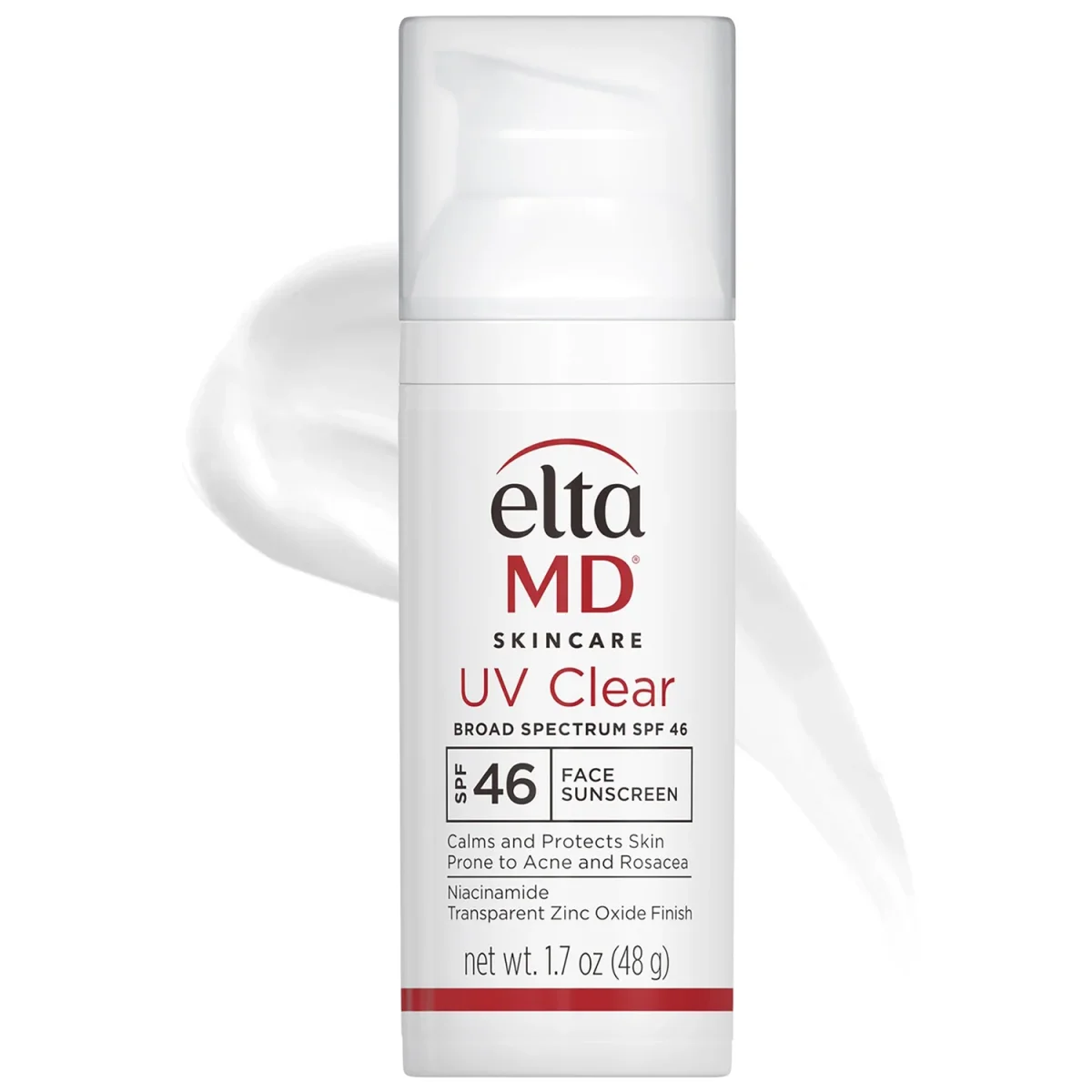
Moisturiser and SPF 30 in one step at roughly 15-20 cents per application, which removes the last excuse for skipping sunscreen. It's what protects against the post-spot pigmentation the rest of the routine is trying to clear. There's a real white cast on medium-to-dark skin, and SPF 30 is the floor if you're outdoors a lot.
Step 4b - without daily SPF, the pigmentation work the night routine does gets undone by lunchtime.
Why Your Acne Routine Is Probably Too Complicated (And Too Expensive)
The looksmaxxing corner of the internet has done one genuinely good thing for men: it got blokes wearing sunscreen. It has also convinced a worrying number of them that clear skin requires eleven steps, a $90 essence, an LED mask that makes you look like a Daft Punk tribute act, and a toner with "Japanese" somewhere in the name.
Here's what skincare actually is, mechanically. Clean the skin without wrecking the barrier. Put something on that unclogs pores. Put something on that regulates oil and calms redness. Rebuild the barrier and protect it from UV. Four jobs. Everything past that is either a refinement or a cope.
The reason this routine works isn't that the products are special. It's that they're consistent, fragrance-free, non-comedogenic and cheap enough that you won't ration them. Rationing is what kills routines. Nobody skips their $9 tub of pads. Everybody skips the $120 bottle they're saving for "good skin days," a phrase that should not exist.
What This Routine Will and Won't Fix. Read This Bit.
It will help with: blackheads, whiteheads, closed comedones (the bumpy texture across the forehead that catches the light and makes you look like a stucco wall), excess oil, mild inflammatory spots, and the pink post-spot marks that hang around for weeks after the spot's gone.
It will not fix: cystic acne, hormonal nodules along the jaw and neck, acne scarring (ice pick, boxcar, rolling), or anything that's been getting steadily worse for a year. Those need a dermatologist and, realistically, a prescription. Salicylic acid is a good tool. It isn't isotretinoin and it isn't pretending to be.
And this is the bit most routine guides quietly lie about: results take weeks, not days. The niacinamide step typically shows measurable improvement in oiliness and pore appearance around weeks four to six. Week two often looks slightly worse. More on that later, because quitting at week three is the single most common way men sabotage this.
Step 1: Cleanse Without Stripping. CeraVe Hydrating Facial Cleanser.
Who this is for: everyone in this routine, no exceptions, including you with the oily T-zone who thinks squeaky-clean is the goal.
What it does: lifts sweat, sebum, SPF and the day off your face using micellar action rather than aggressive surfactants. Ceramides (1, 3 and 6-II), hyaluronic acid and niacinamide, which in cleanser terms mostly means it doesn't demolish the barrier on its way out the door.
Real performance: it's non-active, and that's the point. The treatment steps come later. A cleanser that strips your face makes it overproduce oil in retaliation, which is exactly the problem you started with, so a stripping foaming wash is self-sabotage with extra admin. The 16oz pump is under $17 and the per-wash cost is about as low as this category goes. Twice daily, morning and night.
The honest cons: it barely lathers. If your brain equates foam with clean, this'll feel wrong for a week and you'll have to get over it. It does nothing active on its own. And the pump bottle looks like it was nicked from a hospital supply cupboard, which, fine.
Verdict on the step: 88/100 and the best value item in the stack. It's the foundation, and it makes everything applied after it work better.
Step 2: The Acid. Stridex Maximum Strength Medicated Pads.
Who this is for: oily, combination and normal skin with congestion. Dry or genuinely reactive skin, read the cons before you commit.
What it does: 2% salicylic acid, a beta hydroxy acid that's oil-soluble, so it gets down inside the pore and clears the plug instead of just buffing the surface. This is the step treating the acne. Everything else is support staff.
Real performance: 2% is the maximum over-the-counter strength, full stop, and it matches Paula's Choice BHA on active strength at roughly 5% of the cost. Ninety pads, under $9, about three months at daily use. The format's the underrated bit: one swipe, under ten seconds, no decanting, no cotton pad faff. Friction is what kills routines and this has none. Fragrance-free too, which lowers irritation risk versus most of what's on the acne shelf.
The honest cons: the alcohol content is high, around 50% SD alcohol, and that's genuinely drying. Sensitive or dry skin, start every other night and see how you get on. The plastic tub is inelegant and the pads dry out if you don't seal it properly. Faint medicinal smell on application that fades in a minute, but it's there.
When it goes on: at night, after cleansing, on dry skin. Wait a minute before the next step.
> Mariana's Take: Men always want the dramatic product. The thing that actually changes how your skin reads across a table is texture, not the odd spot, and texture is what the boring $9 tub fixes. Nobody has ever noticed a man's serum. They notice when his forehead stops catching the light.
Step 3: The Serum That Does One Job. The Ordinary Niacinamide 10% + Zinc 1%.
Who this is for: oily and combination skin, specifically if your main complaint is shine and visible pores. Not for actives-virgin skin on day one, which I'll come back to.
What it does: 10% niacinamide, which is at the clinical ceiling for sebum regulation and pore appearance, plus 1% zinc PCA. It also helps with post-inflammatory redness, the pink shadows spots leave behind.
Real performance: under $6 for 30ml, which undercuts the Paula's Choice equivalent by roughly $48 a bottle. That's not a typo, and it's the clearest example in all of men's skincare of what you're actually buying when you pay more. Improvements in oiliness and pore appearance typically show around weeks four to six. Fragrance-free, silicone-free, essentially no filler.
The honest cons: 10% is a strong dose and can cause temporary flushing or sensitivity if your skin has never met an active before. If that's you, three nights a week to start. The texture's watery and it'll pill under moisturiser unless you give it a full 60 seconds, which trips up a lot of people who then blame the bottle. And it has no hydrating co-ingredients whatsoever. It does one job. Step 4 exists because of that.
When it goes on: after the Stridex at night, 60 seconds of patience, then moisturiser. You can run it in the morning as well, but if you're new to actives, keep it PM-only for the first month.
Step 4a: Night Moisturiser. CeraVe PM Facial Moisturizing Lotion.
Who this is for: normal, oily, combination and sensitive skin. Properly dry skin will want something richer.
What it does: rebuilds the barrier overnight with ceramides and hyaluronic acid, plus 4% niacinamide of its own, labelled openly rather than buried in a "proprietary complex," which I'll always respect.
Real performance: absorbs in under 60 seconds with no greasy pillow situation in the morning, which matters more than it sounds when you're layering over an alcohol-based acid. Overnight hydration comparable to moisturisers at five times the price. Fragrance-free and non-comedogenic, rarer than it should be at any price point.
The honest cons: it's lightweight, so genuinely dry skin in January will find it undersells. The 4% niacinamide is effective but not aggressive, so it works slower than prescription-grade options. The packaging is a plastic bottle that will impress precisely nobody.
When it goes on: last step at night, every night, including the nights your skin feels oily. Especially those nights.
Step 4b: Day Moisturiser With SPF. CeraVe AM Facial Moisturizing Lotion SPF 30.
Who this is for: every man reading this. Regardless of skin type, regardless of weather, regardless of whether you "tan easily."
What it does: moisturiser and sunscreen in one step, SPF 30 via zinc oxide and avobenzone, with ceramides and niacinamide along for the ride. Collapsing two steps into one bottle removes your last excuse.
Real performance: roughly 15-20 cents per application, about as low as price-per-use gets in the SPF category. Fragrance-free, non-comedogenic, and the formula's been consistent for over a decade. UV is what turns a healed spot into a brown mark that outstays its welcome by six months, so this isn't a skincare nicety, it's the thing protecting the work the other four products are doing all night.
The honest cons: there's a faint white cast, more pronounced on medium-to-dark skin tones. The texture's noticeably heavier than premium Japanese SPFs like Biore UV Aqua Rich and takes longer to sink in. And SPF 30 is the floor, not the ceiling. Outdoor job or serious UV, go 50+.
When it goes on: last step in the morning, every morning, before you leave the house.
The Full AM and PM Order, Written Out So You Can Stop Guessing
Morning (about 90 seconds):
1. CeraVe Hydrating Facial Cleanser
2. CeraVe AM SPF 30
That's it. Two steps. No acid in the morning, no need for the night moisturiser.
Night (about three minutes, most of it waiting):
1. CeraVe Hydrating Facial Cleanser
2. Stridex Maximum Strength pad, one swipe, pat dry, wait 60 seconds
3. The Ordinary Niacinamide 10% + Zinc 1%, a few drops, wait 60 seconds
4. CeraVe PM Facial Moisturizing Lotion
New to actives? Week one, Stridex every other night and skip the niacinamide entirely. Week three, add the niacinamide three nights a week. Week five, go daily on both if your skin's happy about it. Ramping isn't weakness, it's the difference between a working routine and a red, flaking face you abandon by February.
The Total Cost, and What You're Not Paying For
Rough street prices: cleanser $15-17, Stridex under $9, the niacinamide under $6, PM lotion $12-14, AM SPF $14-18. Shop sensibly and the whole stack lands just under $55, and the Stridex and niacinamide between them will see you through about three months.
What you're not paying for: a founder with a jawline and a podcast, a bottle heavy enough to double as a paperweight, the word "clinical" on a box containing no clinical data, and a "proprietary blend" that exists specifically so you can't check the percentages. The niacinamide here is at the clinical ceiling. The salicylic acid is at the OTC maximum. Nothing in this routine is a watered-down version of a better product which, and I cannot stress this enough, is not true of most of what gets marketed to men.
Mistakes That Undo The Whole Thing
Over-exfoliating. Stridex once a day is a daily maximum, not a suggested minimum. Twice a day with a scrub and a clay mask on top isn't hardmaxxing, it's barrier damage with a side of smugness. Red, tight, stinging skin that's suddenly oilier than before is your face asking you to calm down.
Skipping SPF. You can't treat pigmentation at 11pm and undo it at lunchtime. Daylight through a window counts. January counts.
Quitting at week three. This is the big one. Skin cell turnover runs on roughly a monthly cycle, the niacinamide typically shows at weeks four to six, and weeks two to three often look slightly worse before they look better. Most men bail at precisely the point the routine is about to start working, then post on a forum about how skincare's a scam.
Picking. Nothing in a $55 routine will out-perform your own hands doing damage at 11pm in front of a magnifying mirror. Right? Stop it.
Changing everything at once. One product at a time, two weeks each. Otherwise when something irritates you, you've got five suspects and no evidence.
> Mariana's Take: The men whose skin looks good aren't the ones with the biggest shelf. They're the ones who've done the same four things every night for a year and stopped talking about it. Boring is the aesthetic.
When To Stop Softmaxxing And Go See A Dermatologist
Three honest triggers. One: deep, painful cysts under the skin that never come to a head, especially along the jaw and neck. Two: you've run this properly and consistently for three months and seen nothing meaningful. Three: it's leaving marks, pits or raised scarring.
At that point you need prescription topicals or oral treatment, and that's not a discipline failure, it's biology. No shame in it, and critically, there's no over-the-counter product that bridges the gap. Anyone selling you one is monetising your reluctance to make a phone call.
And obviously: no bone-smashing, no DIY dermarolling, no needles you bought from a stranger online. Hardmaxxing your acne is how you turn a temporary problem into a permanent one.
Jamie's Verdict: The Boring Stack Wins
This routine won't add a point. What it'll do is stop your forehead catching the light like a chip pan, and stop every spot leaving a souvenir for four months. That's a real, visible difference costing less than one hyped serum, and it takes under five minutes a day across both ends of it.
The skincare industry's whole business model depends on you believing cheap means weak. In this category it demonstrably doesn't: 2% salicylic acid is 2% salicylic acid whether it costs $9 or $180, and the $6 niacinamide sits at the same clinical concentration as the $54 one. Buy the boring stack, run it for three months without redesigning it every fortnight, and get on with your life.
Tips
- 1.Ramp, don't dive. Week one is Stridex every other night and nothing else. Add the niacinamide three nights a week from week three, go daily on both from week five if your skin's comfortable. Starting all five at full frequency on day one is the fastest route to a wrecked barrier.
- 2.Wait a full 60 seconds after the niacinamide before the moisturiser goes on. It's a watery texture and it pills if you rush, which people then misread as a faulty bottle.
- 3.Photograph your face in the same spot, same light, once a week. Skin changes too slowly to notice in a mirror, and a photo log is the only thing that'll stop you quitting at week three, right as it's about to start working.
The Bottom Line
Four steps, five products, just under $55, and nothing in it is a diluted version of something better. Run the AM and PM order exactly as written for three months without redesigning it every fortnight. If there's still no change, or if you're getting deep painful cysts, that's your cue to ring a dermatologist rather than buy a sixth product. Boring, cheap, and it works, which is an unsellable combination and precisely why nobody's advertising it to you.