
HOW TO
How to Build a Men's Skincare Routine: The Three Steps That Actually Add a Point
Cleanse, moisturise, SPF. Everything else is negotiation.
Last updated: August 25, 2026
Quick Answer
If you're starting from zero, build around CeraVe Hydrating Facial Cleanser, The Ordinary Niacinamide 10% + Zinc 1%, and EltaMD UV Clear SPF 46 - cleanser, one active, SPF. That's it. Three steps, under fifteen minutes a day combined, and your skin will look measurably better in six weeks. Everything else is optional.
Most men's skincare guides are written for one of two people: the bloke who doesn't know what a moisturiser is (condescending), or the person who genuinely wants to understand the difference between peptide serums and ceramide-based emollients at 11pm on a Sunday (unhinged). This guide is for neither of those people.
You're here because your skin looks fine but not great, or great but inconsistently, or because you've been on looksmaxxing TikTok long enough to know that the softmaxx stack matters - and you want to know which part of it is real and which part is a brand partnership dressed up as editorial. Fair. The actual answer is: three steps, the right products at each price point, and the discipline to do it daily. That's the whole brief.
What follows is the science behind why each step works (briefly - this isn't a PhD thesis), the specific products that deliver results without requiring you to reorganise your bathroom, and a timed routine that takes six minutes in the morning and four at night. If that sounds like a cult, I promise it isn't. It's just skincare. Your skin will look better. You will not be required to buy a jade roller.
Featured Products
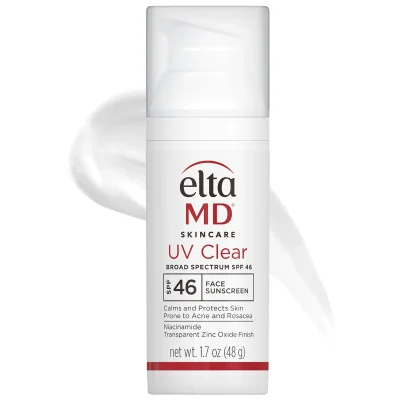
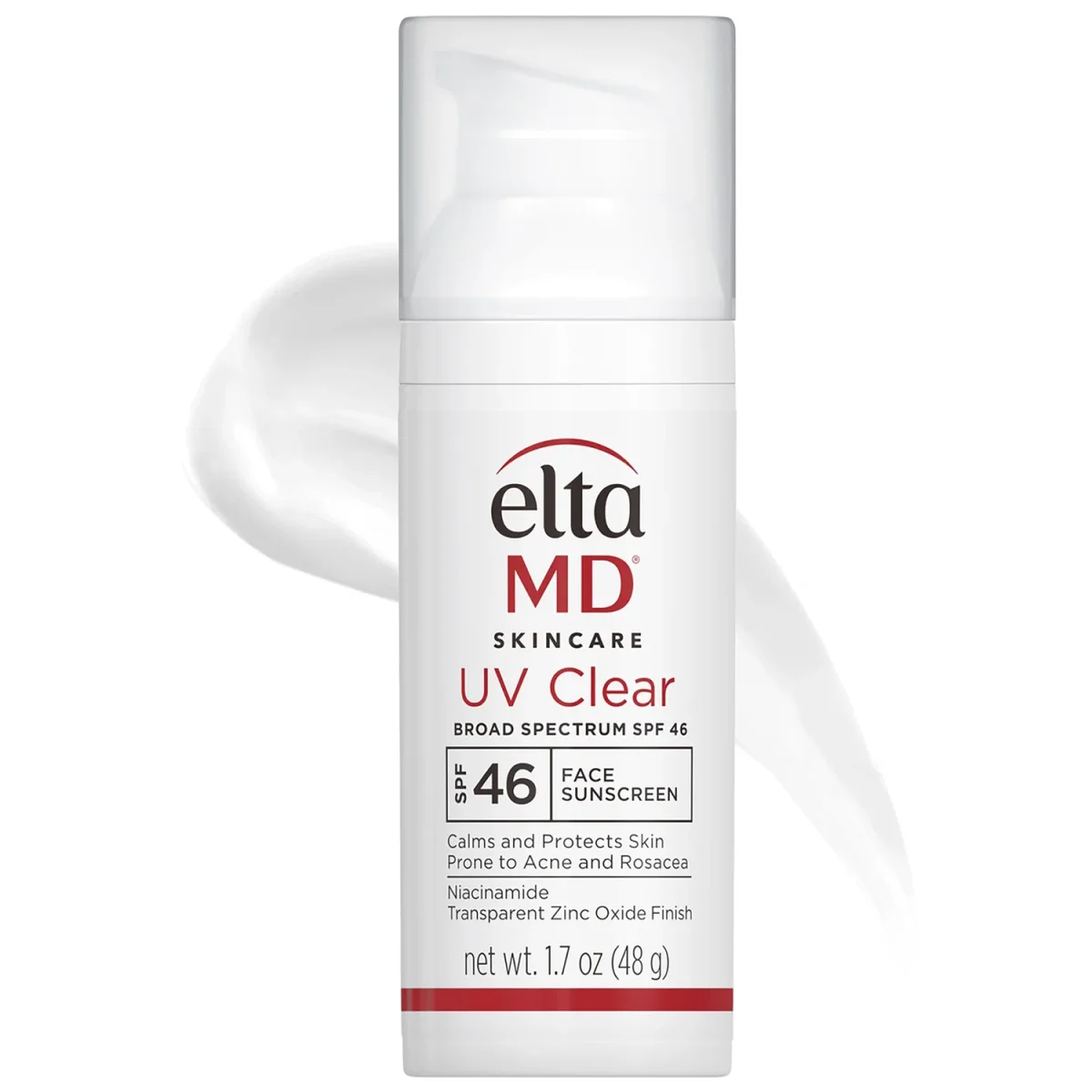
The daily SPF for men with oily or acne-prone skin, and the product that makes SPF a non-issue to wear every morning. Matte finish, minimal white cast from a 9% zinc formula, and 5% niacinamide doing treatment work while it protects. The upgrade that's worth making.
The core SPF recommendation and mid-range daily sunscreen for oily and acne-prone skin types - the product that removes the excuses.
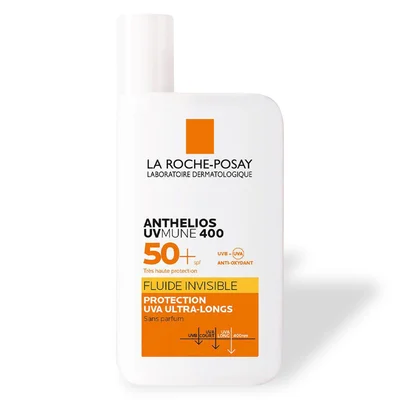
The best UVA coverage available and genuinely beyond anything US-formulated sunscreens can offer due to filter regulations. Worth importing for high-UV environments or anyone serious about photoprotection. Overkill for London in October.
The premium SPF option for men who want maximum UVA coverage and are willing to import to get it.
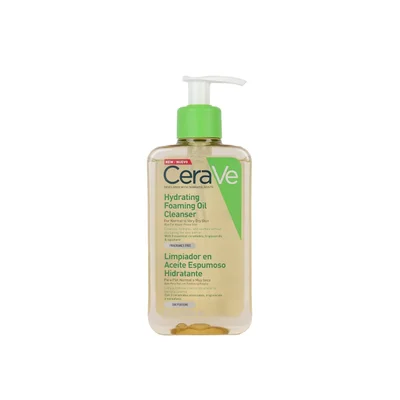
The benchmark cleanser at any price point. Fragrance-free, barrier-maintaining, four cents per wash. The lack of foam is a feature. If you're starting from nothing, this is where you start.
The foundational cleanser recommendation for all skin types - the product that makes every subsequent step in the routine work better.
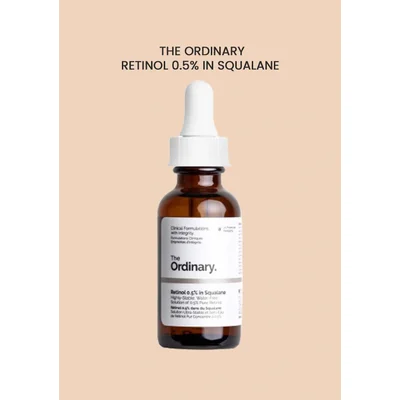
The only OTC active with genuine anti-ageing data, at a price that makes the premium alternatives look like an elaborate joke. 0.5% in squalane works. Introduce it slowly, manage the purge, and don't abandon it at week three.
The retinol recommendation for men aged 28+ who want measurable, structural skin improvement over a three-to-six month timeline.
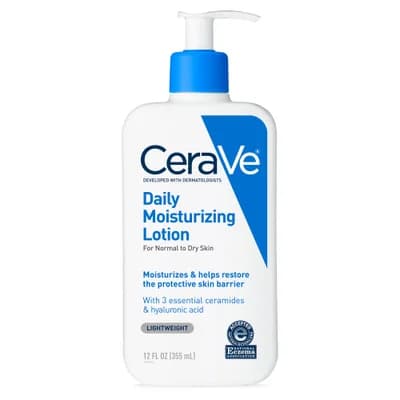
Three ceramides, SPF 30, twelve dollars. Not glamorous. Genuinely effective. Replicates the core function of much more expensive moisturisers without the brand margin. The SPF 30 leaves a faint white cast on deeper skin tones - worth knowing.
An alternative budget moisturiser-with-SPF option for men who want ceramide barrier support in a single morning step.
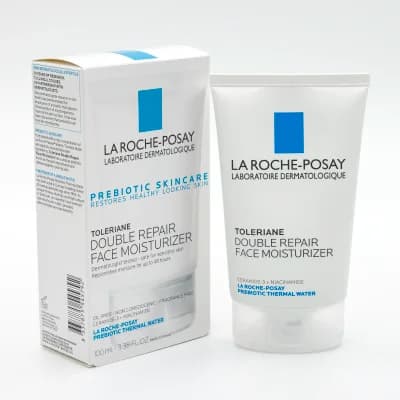
Genuine barrier repair with ceramide and niacinamide credentials, absorbs cleanly under SPF, punches well above its price against prestige alternatives. The mid-range moisturiser upgrade that makes the premium market look faintly ridiculous.
The mid-range moisturiser for men who want better formulation credentials than budget options without paying prestige prices.
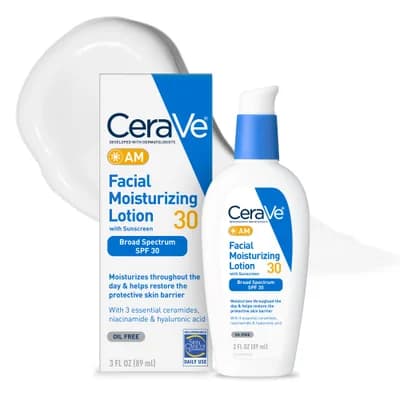
SPF 30, ceramides, and niacinamide in one step at $12-16. The budget-tier daily SPF for men who need the barrier support alongside the sun protection. White cast is real on deeper tones - worth knowing before you buy.
The budget SPF recommendation and the minimum viable morning product for anyone building their first routine.
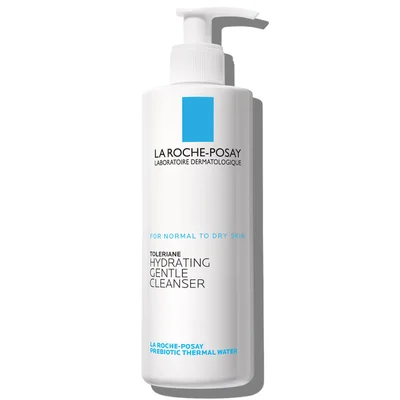
The right cleanser upgrade for anyone running retinol or actives-heavy routines where barrier integrity genuinely matters. Matches CeraVe on ceramide credentials with a marginally more soothing application. Only worth the price premium if you catch it on promotion.
The mid-range cleanser alternative for sensitive and reactive skin types on active routines.
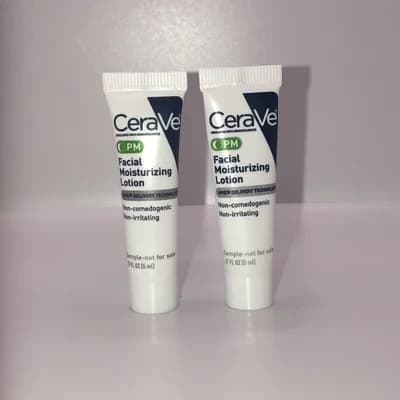
4% niacinamide labelled clearly, absorbs in sixty seconds, fragrance-free. The right evening moisturiser for normal to combination skin - does the job cleanly at a price that makes the competition look embarrassed.
The evening moisturiser recommendation for the PM routine, particularly useful layered over retinol during the adjustment period.
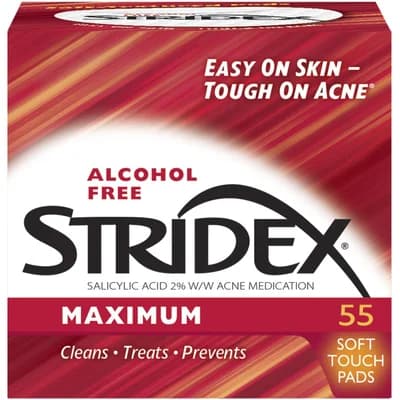
2% BHA at $9 for ninety pads - matches Paula's Choice at roughly 5% of the cost. The right evening active for congested, acne-prone skin. Too drying for sensitive types, in which case niacinamide is the better call.
An alternative treatment-step recommendation for men dealing with congestion or mild acne rather than oiliness and texture.
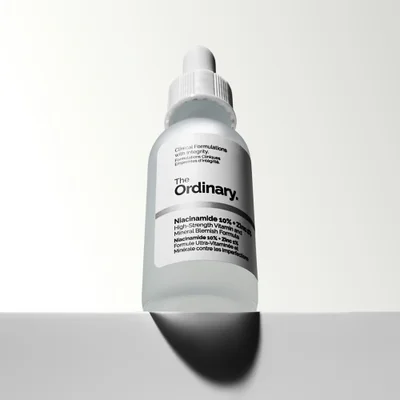
$8. Clinical-ceiling concentration. Measurable improvement in oiliness and pore appearance by weeks four to six. The most cost-efficient first active in men's skincare and the right starting point before retinol.
The primary treatment recommendation for oiliness, pore appearance, and uneven tone - the first active most men should add.
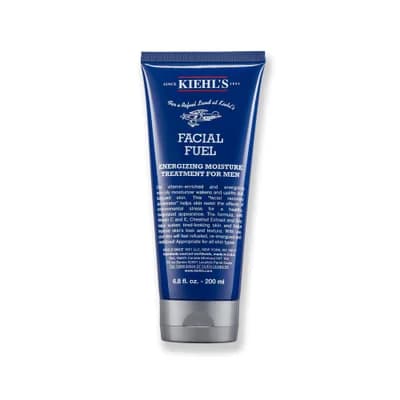
A legitimate gateway product for men who've never used a moisturiser before. Excellent texture, real depuffing effect from caffeine and menthol, easy to use. Overpriced relative to ceramide alternatives that do more for your barrier long-term. Graduate from it once you're bought in.
Included in the 'what not to buy' context as a useful onboarding product with honest limitations - not the right long-term choice.
Why Your Skin Looks the Way It Does (And Why That's Fixable)
Your skin has one job above all others: maintain a barrier between your internal biology and everything trying to get in from outside - UV radiation, pollution, bacteria, dry air, the specific misery of a London winter. When that barrier's intact and functioning, your skin looks smooth, even-toned, and hydrated. When it's compromised - through over-cleansing, skipping moisturiser, sun damage accumulating since 1999 - you get the stuff you're trying to fix: uneven texture, dullness, enlarged-looking pores, fine lines that started appearing around the time you started ignoring SPF.
The good news is that most of this is genuinely reversible, or at least significantly improvable, with consistent basic inputs. The bad news is that 'consistent' is doing a lot of work in that sentence. A $200 serum used twice a week will do less than a $12 moisturiser used every single morning. That's not a cope - that's how skin biology actually works. Frequency beats price. Consistency beats heroic one-off interventions.
The three steps that follow work because they address the three actual things your skin needs: clean without stripping (cleanse), targeted treatment (actives), and protected from cumulative damage (SPF). Everything else is optional. Some of it is genuinely useful. Most of it is a marketing deck dressed up as wellness.
---
Step One - Cleanse: What You're Actually Trying to Do Here
The goal of cleansing is not to feel clean. This sounds obvious but apparently isn't, because the majority of men - and most foaming cleansers sold to them - are optimising for the sensation of squeaky tightness rather than the actual outcome, which is removal of surface debris without stripping the skin barrier.
The skin barrier (the stratum corneum, if you want to sound unbearable at parties) is held together partly by lipids - fats, essentially. Aggressive cleansers, particularly high-pH foaming ones, strip those lipids alongside the grime. Your skin feels 'clean' because it's been temporarily depleted. Then it compensates by producing more oil, your pores look larger, your actives absorb unevenly, and you wonder why your routine isn't working. It's the cleanser. It's almost always the cleanser.
What you want is a low-pH, non-stripping cleanser that removes sebum, dead skin cells, and environmental grime without declaring war on your barrier. Fragrance-free, ideally. No sulphates if your skin is reactive. Genuinely, a hydrating gel or cream formula is fine - the lack of foam is a feature, not a flaw.
The Cleanser Lineup: Budget vs Mid-Range, and When the Upgrade Is Worth It
#### CeraVe Hydrating Facial Cleanser - The Budget Pick
Best for: Everyone, but especially those new to a routine, anyone with dry or sensitive skin, or anyone who's been using a bar of soap on their face and wonders why their skin looks angry.
What it does: Non-stripping micellar-action formula with three ceramides and hyaluronic acid. It cleans your face without dismantling your barrier in the process. That's the whole brief and it executes it perfectly.
Performance: The lack of lather will feel psychologically wrong for the first week if you've been using anything with sulphates. Push through it. Your skin will stop the compensatory oil surge within two to three weeks and you'll notice your moisturiser and actives absorbing noticeably better. Under $17 for a 16oz pump bottle, the per-wash cost is approximately four cents. That is not a typo.
Honest cons: It does nothing active. No treatment benefit for acne or pigmentation beyond keeping your barrier intact. If you've got active breakouts or textural issues, your cleanser is not where you fix that - Step Two is. Also, the pump bottle is extremely drab and will clash with your self-image as a person with taste. This is a burden you'll have to carry.
Value: Genuinely outstanding. This is the benchmark product for facial cleansers at any price point.
> Mariana's Take: Men who've switched to a non-stripping cleanser read differently in person within a month - their skin stops having that slightly inflamed, reactive look that so many men's faces have by default. It's not dramatic. It's just calmer. Which reads better.
#### La Roche-Posay Toleriane Hydrating Gentle Cleanser - The Mid-Range Option
Best for: Men already on an actives-heavy routine (retinol, AHAs, BHA) where barrier integrity genuinely matters, or anyone with reactive, sensitised, or post-treatment skin.
What it does: Same no-foam, barrier-maintaining principle as the CeraVe - ceramides NP, AP, and EOP to match CeraVe's clinically-tested complex. Fragrance-free, soap-free, rinses clean. The 400ml bottle at twice-daily use runs four to six months, which makes the per-use cost negligible even at the slightly higher price.
Performance: Marginally more soothing in application than CeraVe, which matters if you're using retinol in the evening and your skin is occasionally irritated. Does the same barrier-support job with a slightly more premium feel. The rinse is genuinely clean - no greasy film, unlike some competing hydrating cleansers that leave you uncertain whether you've washed or just rearranged your face.
Honest cons: Not appropriate for oily or acne-prone skin as a standalone option - it's too gentle to clear congestion properly. Also, La Roche-Posay pricing has crept upward over the last few years without meaningful reformulation, so catch it on promotion. If you can't, the CeraVe does the same job for less.
When the upgrade is worth it: If you're running retinol nightly and want the gentlest possible AM cleanse. Otherwise, the CeraVe is fine and your money is better spent elsewhere in the routine.
---
Step Two - Treat: The Actives That Have Real Data Behind Them
This is the step that actually changes your skin. Not dramatically, not overnight, and not in any way the TikTok 'glow-up' content will prepare you for - but measurably, over eight to twelve weeks, with before-and-after results you'll notice in photos you didn't plan to take.
'Actives' is the skincare term for ingredients that do something specific to your skin biology, as opposed to just sitting on the surface and hydrating or protecting. The category is enormous and largely saturated with grift - copper peptides, growth factors, 27-ingredient serums with no individual concentration disclosed. We're ignoring all of that. Two actives have robust, replicated clinical data behind them at accessible price points. Those are the two we're covering.
Niacinamide: The Unglamorous Active That Actually Works
Niacinamide (vitamin B3) is the least exciting active in skincare and also one of the most consistently effective. It doesn't sell well because it doesn't have a compelling story - 'reduces sebum production, minimises the appearance of pores, evens skin tone, and strengthens the barrier' doesn't have the same energy as 'cellular renewal complex.' But the data behind it is solid, and it works on most skin types without the adjustment period that retinol requires.
At 10%, which is where The Ordinary puts it, you're at the clinical ceiling for sebum and pore-size reduction - the point at which peer-reviewed studies showed measurable results. Going higher doesn't do more; it just increases the chance of a temporary flushing reaction in actives-naive skin.
#### The Ordinary Niacinamide 10% + Zinc 1%
Best for: Men with oily skin, visible pores, or uneven skin tone. Also the right starting active for anyone new to skincare who wants measurable results without managing an adjustment period.
What it does: 10% niacinamide regulates sebum production and reduces pore appearance over four to six weeks of consistent use. The 1% zinc has mild anti-inflammatory and antibacterial properties - useful if you get occasional congestion. The formula is fragrance-free, silicone-free, and contains no meaningful filler ingredients. It does one job and one job only, which is exactly what you want from a $8 product.
Performance: Visible improvements in oiliness and pore appearance typically by weeks four to six. Skin tone evens out over weeks eight to ten. Same active percentage as products costing six to eight times more. Under $6 for 30ml, which at two to three applications weekly lasts two to three months.
Honest cons: The watery texture will pill under moisturiser if you don't wait sixty seconds after application. Wait sixty seconds. Also, 10% can cause a temporary flushing reaction in the first week or two if your skin has never encountered niacinamide - this resolves on its own and isn't a reason to stop.
Application: After cleansing, before moisturiser, morning or evening. Not both unless your skin handles it. Start with once daily.
Stridex Maximum Strength Medicated Pads deserve a mention here as an alternative treatment angle for men dealing with congestion or mild acne. 2% salicylic acid (a BHA that dissolves inside the pore rather than on the surface) at $9 for 90 pads - one swipe takes ten seconds and the per-use cost is essentially invisible. The high SD alcohol content is genuinely drying for sensitive or dry skin, so if that's you, niacinamide is the better first move. If you have oily, acne-prone skin, Stridex is a legitimate evening active that punches far above its price.
Retinol: The One Step That Genuinely Earns the Anti-Ageing Label
Retinol is where most men either get evangelical or give up at week three. Both responses are understandable. It's the only over-the-counter ingredient with substantial, replicated clinical evidence for skin-cell turnover, collagen stimulation, and the actual reversal of UV-induced damage - not just concealment, actual structural improvement. The anti-ageing claims most products make are marketing. Retinol's aren't. Prescription-strength tretinoin has forty years of peer-reviewed data. OTC retinol works via the same mechanism at a lower conversion rate.
The catch: it has an adjustment period, and most men abandon it during that window and conclude it doesn't work. It does work. You just quit too early.
#### The Ordinary Retinol 0.5% in Squalane
Best for: Men over 28 who want measurable improvement in skin texture, fine lines, and overall skin quality over a three-to-six month timeline. Evening use only - retinol breaks down in UV light and makes your skin temporarily more sun-sensitive, which is also why SPF in the morning is non-negotiable if you're using it.
What it does: 0.5% retinol in a squalane base delivers measurable skin turnover and texture improvement within eight to twelve weeks. Squalane is non-comedogenic and non-stripping - it buffers the retinol delivery without cancelling the effect, which is why this formula is kinder than alcohol-suspension alternatives at similar concentrations. The 30ml bottle at three applications per week lasts four to five months. Under $8. The SkinCeuticals equivalent with the same 0.5% concentration retails at approximately $105-130. The active is the same.
Performance: Expect the first two to four weeks to look and feel like nothing is happening, possibly followed by a purge period (more on that below). By weeks eight to twelve, skin texture improves measurably - pores look tighter, fine lines soften, skin tone evens. This isn't anecdotal; it's consistent with peer-reviewed retinoid studies at this concentration.
Honest cons: Not beginner-safe in absolute terms - if you've never used any retinoid, start at 0.2% or with a retinyl palmitate formula for four to six weeks first. No encapsulated delivery system means it's more vulnerable to oxidation than premium retinol products - store it in a cool, dark place, not on a sunny windowsill. And the purge is real.
The Purge Period Is Real - Here's How to Not Abandon Ship at Week Three
The 'purge' is not a myth invented by skincare brands to explain away a bad product. It's a real dermatological phenomenon that occurs when retinol accelerates cell turnover faster than your skin is used to - pushing congestion that was sitting below the surface up and out. It typically occurs in weeks two to four and can manifest as increased breakouts, dry patches, or flaking. It is temporary and it is a sign the product is working, not that it isn't.
How to manage it: Introduce retinol slowly. Start at two nights per week for the first month. Increase to three nights in month two. Don't layer it with other actives (no niacinamide on the same evening in the first month). Moisturise immediately after. Do not - and I cannot stress this enough - start retinol and then do a beach holiday in week three. You will blame the retinol when the actual problem is that you used a photosensitising active before significant sun exposure without adequate SPF. Which brings us to Step Three.
---
Step Three - Protect: SPF Is Not Optional and Never Has Been
Of all the things sold as 'anti-ageing,' SPF is the only one that prevents damage rather than trying to reverse it after the fact. UV radiation is responsible for approximately 80-90% of visible skin ageing - that number comes from peer-reviewed dermatology literature, not a brand deck. Wrinkles, uneven tone, loss of firmness, the general 'weathered' look that some men acquire and others don't: almost all of it is cumulative UV damage from years of not wearing sunscreen.
Retinol can improve what's already there. SPF stops more arriving. Both matter, but if you're only doing one thing from this guide, it's the SPF.
The practical barrier for most men isn't knowledge - by now, everyone knows they should wear sunscreen. The barrier is that most sunscreens feel terrible: greasy, white-cast-heavy, or both. The products below solve that. The right SPF for your skin type is the one you'll actually use every single morning, not the one with the most impressive UVA rating sitting in your cabinet.
The SPF Lineup: Budget, Mid-Range, and the European Import Worth the Faff
#### CeraVe AM Facial Moisturizing Lotion SPF 30 - The Budget Starting Point
Best for: Men who want a single-step morning routine that combines barrier support, niacinamide, and SPF in one product. Ideal for beginners, anyone with combination or normal skin, and anyone who will otherwise skip SPF entirely because adding a step feels like too much.
What it does: SPF 30, ceramides, and niacinamide in one lightweight lotion. The consolidation argument is strong: this is three jobs in one product at $12-16. The price-per-use works out to roughly fifteen to twenty cents.
Honest cons: A faint white cast that becomes more pronounced on medium-to-dark skin tones. The texture is noticeably heavier than premium Japanese SPF formulas. And SPF 30 is the minimum recommended threshold - if you're regularly outdoors or in high-UV climates, go to 50.
#### EltaMD UV Clear SPF 46 - The Mid-Range Pick (And Jamie's Daily)
Best for: Men with oily, acne-prone, or redness-prone skin who want a sunscreen that genuinely doesn't feel like one. The daily SPF for anyone who has tried cheaper options and kept skipping them because of white cast or greasiness.
What it does: Mineral SPF (9% zinc oxide) spiked with 5% niacinamide. The niacinamide visibly reduces sebum and redness within four to six weeks of consistent use - so it's doing treatment work while protecting. The matte finish means you don't need a separate mattifying step. Virtually no white cast for a zinc-based formula, which is genuinely unusual and genuinely why it's worth the price step up.
Performance: This is what dermatologists actually use on themselves, which isn't a PR line - it's verifiably true from polling studies. Fragrance-free, oil-free, non-comedogenic. The 48ml tube runs out faster than you'd expect if you're applying the correct amount (a quarter-teaspoon for face and neck - most people use a fraction of this and wonder why it's not working).
Honest cons: The slightly flat finish can look dull on dry skin types - if dryness is your issue, the CeraVe AM or La Roche-Posay UVMune suits better. And the UVA protection, while good, is marginally behind the Mexoryl 400 filter in the Anthelios UVMune if you're in genuinely high-UV environments regularly.
Value: At roughly $30-35 for 48ml, it's more than the CeraVe. For most men with oily or acne-prone skin, it's the right upgrade.
#### La Roche-Posay Anthelios UVMune 400 SPF 50 - The European Import Worth the Faff
Best for: Men who take UV protection seriously, anyone who spends significant time in high-UV environments, darker skin tones who need a genuinely cast-free mineral option, or anyone who's already using the EltaMD and wants to understand what 'better UVA coverage' actually means.
What it does: The Mexoryl 400 filter covers ultra-long UVA wavelengths (370-400nm) that are simply unavailable in US-market sunscreens due to FDA filter approval lag. This is the best UVA coverage you can legally buy without a prescription, anywhere. Invisible fluid formula, minimal greasiness, one of the highest PPD (UVA protection factor) ratings commercially available.
Honest cons: Not available in US retail - you're importing from EU pharmacies or ordering via third-party sellers, which adds cost and lead time. Contains a small amount of denatured alcohol, which can irritate severely dry or compromised skin barriers. The 50ml tube runs out fast at correct dosing.
Is it worth the import faff? If you're in the UK or EU, it's just available at Boots or your local pharmacy, and yes. If you're in the US and already using EltaMD consistently, the marginal UVA gain is real but probably not actionable for daily city use. For high-UV travel or summer months, worth ordering ahead.
> Mariana's Take: The difference between a man who wears SPF daily and one who doesn't becomes extremely obvious by their early forties. I've watched it happen in real time. It's not subtle.
---
Morning Routine vs Evening Routine: What Goes When and Why
The sequencing question is where most skincare guides either disappear into a PhD thesis or gloss over the thing that actually matters. Short version: morning is protection, evening is treatment.
Retinol breaks down in sunlight and increases your skin's UV sensitivity - it goes at night, full stop. Niacinamide is stable in light and can go morning or evening, but it layers cleanly under SPF in the AM. SPF is a morning product and needs to be the last thing on your skin before you leave the house - nothing active goes on top of it.
The cleanser is used both morning and evening, but the morning cleanse can be shorter. Some people with dry skin skip it entirely in the AM and just rinse with water. If you wear SPF (you do now), a proper evening cleanse is non-negotiable to remove it before you put actives on.
---
The Full Routine, Timed: Six Minutes AM, Four Minutes PM
Morning (Six Minutes)
1. Cleanse - 60 seconds: CeraVe Hydrating Facial Cleanser or La Roche-Posay Toleriane. Massage in, rinse thoroughly, pat dry. Don't rub.
2. Treat - 90 seconds: The Ordinary Niacinamide 10% + Zinc 1% if you're using it AM. Apply to damp (not wet) skin, wait sixty seconds for absorption before the next step.
3. Moisturise (optional but useful) - 60 seconds: La Roche-Posay Toleriane Double Repair or CeraVe PM if you're dry and using a separate SPF. Skip this step if your SPF already contains enough hydrating ingredients for your skin type - the CeraVe AM and EltaMD both do.
4. SPF - 60 seconds: EltaMD UV Clear, CeraVe AM, or La Roche-Posay UVMune 400. Quarter-teaspoon covering face and neck. This is the last step. Nothing goes on top.
Evening (Four Minutes)
1. Cleanse - 90 seconds: More thorough than AM - you're removing SPF, pollution, and whatever your face has accumulated. The La Roche-Posay Toleriane is particularly good here if you've been on retinol.
2. Treat - 60 seconds: The Ordinary Retinol 0.5% in Squalane (three nights per week, not nightly - especially in the first month). Or Stridex if acne/congestion is your concern. Not both on the same night.
3. Moisturise - 60 seconds: CeraVe PM Facial Moisturizing Lotion. Niacinamide labelled at 4%, absorbs in under sixty seconds, no greasy residue. This goes directly over retinol - 'moisturiser sandwiching' (moisturiser before and after retinol) reduces irritation further in the adjustment period.
---
What Not to Buy: The Cope Products That Waste Your Money
Eye creams: The skin around your eye is thinner, so your face moisturiser works there too. The 'eye cream' premium is almost entirely packaging. The only exception is if you have genuine chronic dark circles driven by vascularity - in which case you want vitamin K or caffeine at a disclosed concentration, not a luxury brand's eye contour serum.
Facial oils (as a standalone): Useful if your barrier is severely compromised and you need occlusion. Not useful as a primary moisturiser for most skin types. If you're buying a facial oil because a brand Instagram made it look aspirational, you've been had.
Toners (most of them): The original function of toner was to restore pH after alkaline bar-soap cleansing. If you're using a low-pH cleanser, you don't need a toner. Some toners do contain actives (glycolic acid toners, for example) and have a legitimate function. Most are water and fragrance.
Vitamin C serums (without proper storage): Vitamin C (L-ascorbic acid) is genuinely effective at brightening and antioxidant protection. It's also extremely unstable - oxidises quickly once opened, loses efficacy within weeks if stored incorrectly. Most budget vitamin C serums are functionally useless by the time you're halfway through the bottle. If you're going to use vitamin C, spend on a properly formulated and packaged product. Otherwise, your niacinamide covers much of the same ground.
Kiehl's Facial Fuel Energizing Moisturizer is worth addressing directly because it's the first step many men take into skincare, and it's fine as a gateway product - the caffeine and menthol deliver a real immediate depuffing effect, the texture is excellent, it absorbs in under sixty seconds. But the caffeine concentration is undisclosed, the barrier repair credentials don't compare to ceramide-based alternatives, and at its price point you're paying for the industrial packaging and forty years of being in men's grooming, not for formulation superiority. Use it as an onboarding product if the clinical options feel too drab. Then graduate. Your skin will thank you for the ceramides.
---
Jamie's Verdict: Where to Start If You're Starting From Zero
If you've read this far and you're still not sure what to actually buy, here's the short answer: CeraVe Hydrating Facial Cleanser, The Ordinary Niacinamide 10% + Zinc 1%, and CeraVe AM Facial Moisturizing Lotion SPF 30. Combined cost: approximately $35. Do that for six weeks consistently before adding anything else.
If you want the upgrade stack: swap the CeraVe AM for EltaMD UV Clear SPF 46, add The Ordinary Retinol 0.5% in Squalane three evenings a week after month one, and use La Roche-Posay Toleriane Double Repair as your evening moisturiser. That's your full routine. That's everything. The whole thing takes under ten minutes across both routines combined.
Nothing in this guide will add a PSL point. Nothing in any guide will, because that's not how it works. What this will do is make your skin look measurably, visibly better in eight to twelve weeks - calmer, more even, less like something that's been outdoors without protection for three decades - and give you the kind of baseline that makes everything else (the haircut, the sleep, the gym, the grooming stack) actually land. That's the brief. It's not a cult. Start with the cleanser.
Tips
- 1.Start with cleanser plus SPF only for two weeks before adding any actives. Most people fail routines because they add too much too fast, not too little.
- 2.Apply the correct amount of SPF - a quarter-teaspoon for face and neck. Most men apply a third of what's needed and wonder why they're still getting UV damage. The white cast and greasy finish complaints often come from over-application, and then men overcorrect by barely using any at all.
- 3.Introduce retinol on a Monday-Wednesday-Friday schedule in month one, not nightly. The purge happens to almost everyone; the men who get through it are the ones who didn't start at five nights a week.
The Bottom Line
Three steps. Consistent daily execution. Eight to twelve weeks. That's genuinely the whole thing. Start with CeraVe Hydrating Facial Cleanser, add niacinamide if oiliness or pores are your concern, and use EltaMD UV Clear SPF 46 every single morning without negotiating with yourself about it. Add retinol after month one if you're over thirty and care about the longer-term picture. Everything else in this guide is an upgrade, not a requirement - and upgrades only matter once the foundation is actually running.
Frequently Asked Questions
What is the minimum skincare routine for men that actually works?
Is SPF actually necessary in a men's daily skincare routine?
What's the difference between CeraVe and La Roche-Posay cleansers for men?
When should men add retinol to their skincare routine?
Is niacinamide worth using in a men's skincare routine?
What moisturiser should men use morning vs night?
Related Guides
VIBE GUIDE
Mewing, Hardmaxxing, and Other Lies the Internet Sold You: The Softmaxx Products That Actually Work
The EltaMD UV Clear SPF 46 is the single most impactful softmaxx product you can buy. Daily SPF is the only anti-ageing intervention with consistent clinical backing, and this one adds 5% niacinamide, leaves no white cast, and costs less per year than one round of whatever treatment the TikTok algorithm is currently selling you.
DUPE GUIDE
CeraVe vs La Roche-Posay 2026: The Drugstore Wars, Decided
If you can only buy one brand, go CeraVe for the cleanser and PM moisturiser, and La Roche-Posay's Anthelios UVMune 400 for SPF - or EltaMD UV Clear if you're in the US and can't import. Splitting the two brands by category beats going all-in on either, and your skin won't care about your brand loyalty.
DUPE GUIDE
The Ordinary Retinol 0.5% in Squalane: What It Actually Does, What to Pair It With, and What Not to Waste Your Money On
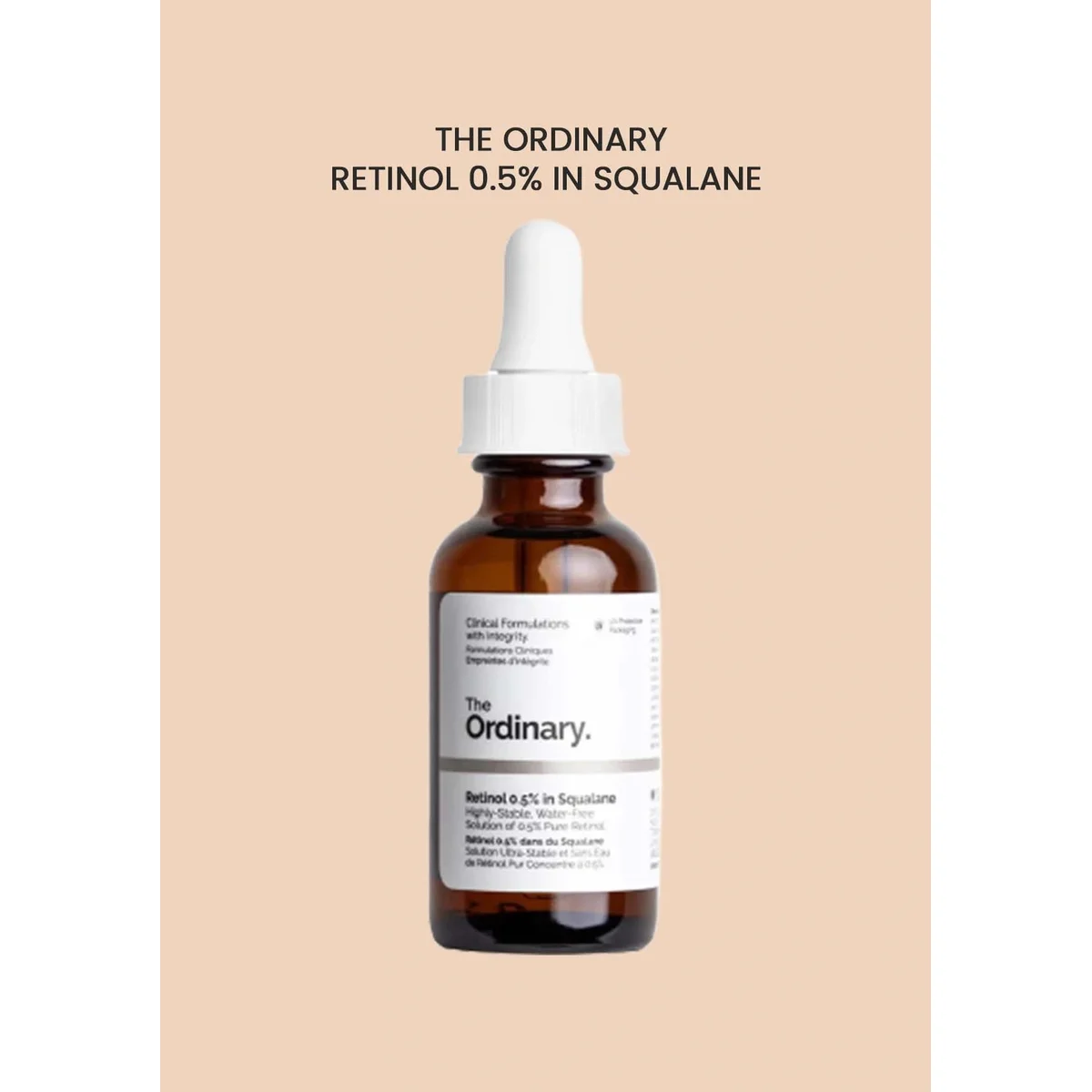
The Ordinary Retinol 0.5% in Squalane is already the budget answer to a $230 SkinCeuticals bottle - same active percentage, 6% of the price, and it works. The catch is that retinol without the right support routine is how you end up with a raw, peeling face and a grudge against actives. Pair it with the CeraVe Hydrating Facial Cleanser, La Roche-Posay Toleriane Double Repair Moisturiser, and EltaMD UV Clear SPF 46, and you've got a complete retinol routine for under $65 total.