
BEST OF
Best Safety Razors for Men 2026: The Merkur 34C and the Beginner DE Kit That Actually Works
The real cost of your cartridge habit, and what to do about it.
Last updated: June 25, 2026
Quick Answer
The Merkur 34C paired with Astra Superior Platinum blades is the best beginner DE setup in 2026. The razor costs around £35, lasts a lifetime, and with blades running about 2-4p each, you're looking at roughly £6-10 a year on blades versus £50+ for Fusion5 cartridges. There's a two-to-four week learning curve and you will nick yourself. Still worth it.
I switched from a Fusion5 to a double edge safety razor at 41. Nicked myself twice in week one - once on the jaw, once somewhere I'd rather not specify - and haven't bought a cartridge since. That was three years ago. I've spent approximately £9 on blades in the last twelve months. The Fusion5 habit was running me about £55 a year and I thought nothing of it, which is precisely how subscription scams work.
Most guides to DE shaving are written by wet shaving hobbyists who own seventeen razors, have a dedicated brush stand, and use the phrase 'the art of the shave' without irony. Useful as they are, they've forgotten what it's like to come from cartridges. The learning curve they wave off ('oh it only takes a week') is real. The angle matters, the pressure is different, and your face will let you know about it in the first few days.
This guide is for men who are fed up with cartridge pricing and want to know exactly what to buy, in what order, without wading through a forum thread from 2009. I'll tell you what the Merkur 34C actually does, which blade to pair it with, what shave prep makes the real difference, and - for those of you who will absolutely not be picking up a shaving brush - there are decent alternatives further down. No judgement. Some of you just aren't there yet.
Featured Products
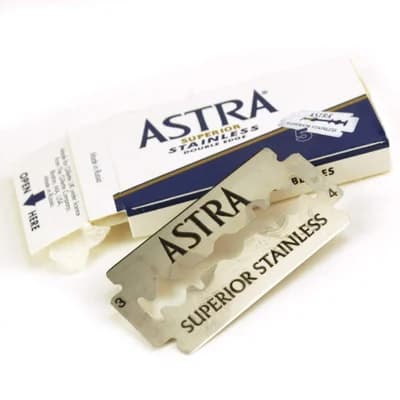
The blade that actually proves the DE economics argument. At 2-4p per shave it makes the initial Merkur outlay pay back within a few months, and the mid-spectrum sharpness is genuinely right for most beginners. Buy the 100-pack after confirming they suit your face with a sampler first.
Essential companion to the Merkur 34C and the product that delivers the per-shave cost that makes DE shaving economically obvious.
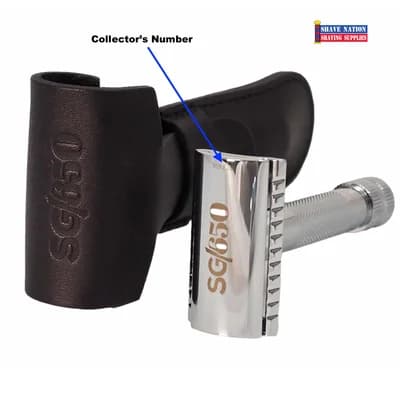
The best beginner DE razor at this price and it's not a close competition. The closed-comb head forgives early technique errors, the weight teaches you not to press, and the lifetime cost versus any cartridge system is almost embarrassing once you do the maths. The 84mm handle is short for large hands and the two-to-four week learning curve is real, but neither is a reason not to buy it.
The benchmark beginner safety razor and the centrepiece of the recommended kit - the product this entire guide is built around.
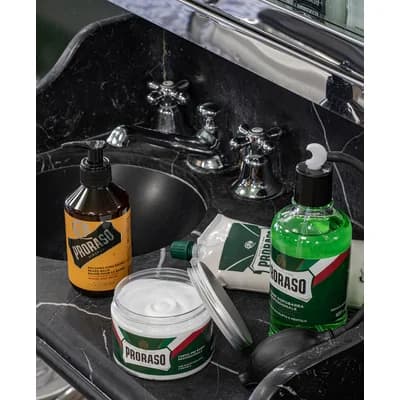
The best shave prep in the guide for men willing to use a brush, and at 11p per use it's hard to argue against on price alone. The eucalyptus-menthol formula provides real blade cushioning and post-shave calming that canned foam genuinely cannot match. The scent is medicinal and polarising - you'll either love it or find it tolerable.
The recommended shave prep for the core DE kit, providing blade cushioning and post-shave benefits that complete the switch from cartridge shaving properly.
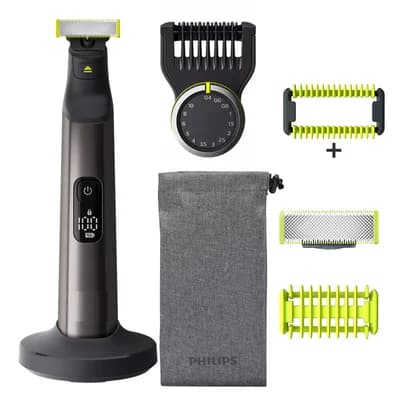
The best single-tool solution for stubble maintenance and beard edging, and genuinely good at both. Not a DE razor alternative for a clean shave - that's a category error. For the man who lives in the two-to-five day stubble range, this handles trimming, edging, and maintenance in one device better than most dedicated trimmers.
The recommended alternative for men whose goal is stubble maintenance rather than a close shave, covering a distinct use case the DE setup doesn't serve.
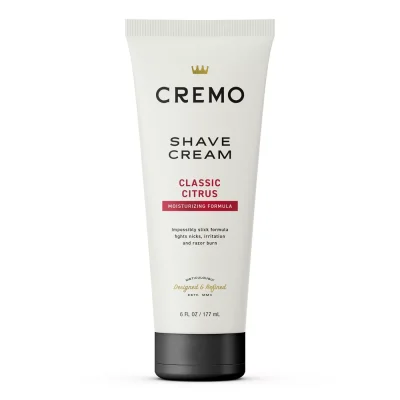
The honest no-brush alternative to Proraso. Better lubrication than canned foam, solid per-use economy, zero ceremony required. The lack of lather disorients foam-trained users and the post-shave feel is functional rather than pleasant, but if you won't pick up a brush this is the right prep product.
The recommended shave prep for men who want the DE kit upgrade without adding the brush step - an important alternative path that serves a real part of the audience.
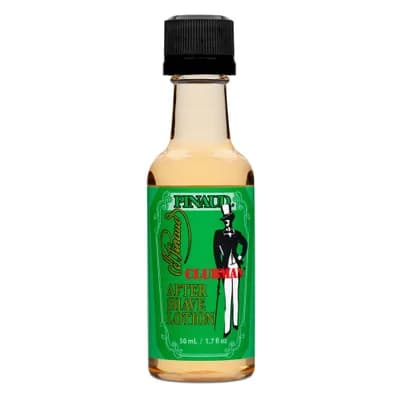
Two hundred years of production, genuine antiseptic function, and a price that makes premium aftershave balms look like they're charging for the bottle. Absolutely not for dry or sensitive skin - the alcohol will make things worse - but for normal to oily skin types who want the full post-shave ritual, nothing at this price competes.
The recommended aftershave for DE shaving beginners - particularly relevant given the micro-nicks common in early DE use - at a price that fits the kit's overall value argument.
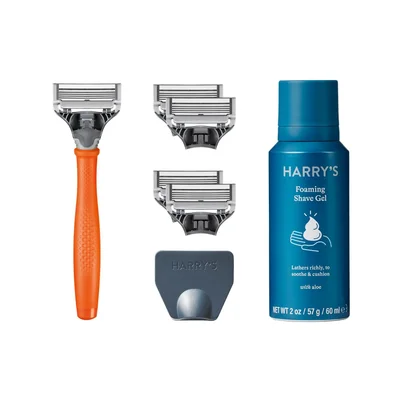
A sensible cartridge alternative for men who've noticed Gillette is expensive but aren't ready to switch systems. About 50% cheaper per cartridge than Fusion5 with comparable quality on most face types. Not the endpoint, and the lubrication strip degrades faster than advertised, but a reasonable middle position.
The honest recommendation for cartridge loyalists who want to reduce ongoing blade costs without the DE learning curve.
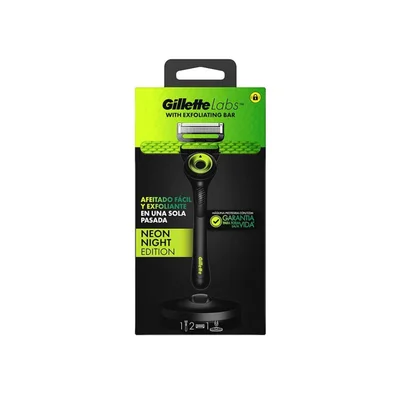
Genuinely reduces post-shave redness on the neck and jawline through the exfoliation-before-blade mechanism, and the starter kit is reasonably priced for what you get. The ongoing cartridge cost is among the highest in the mass-market cartridge category, which undermines the value case quickly. The 'warming' feature is barely noticeable.
The premium cartridge option for men who want to address razor bumps and redness without changing shaving method - a real solution to a real problem, with honest caveats about cost.
Why Your Cartridge Habit Is a Subscription Scam (And the Maths to Prove It)
Gillette Fusion5 cartridges retail at roughly £12-14 for a four-pack. Shave daily, swap every ten to fourteen days like most men do, and you're spending £50-60 a year on blades alone. The ProGlide, the Flexball, the ProShield - all variations on the same business model: sell the handle cheap or free, then lock you into proprietary cartridges that cost 30-40p per shave for the rest of your life.
A pack of 100 Astra Superior Platinum blades costs around £8-9. At five shaves per blade, that's 500 shaves. Your cost-per-shave is between 1.6p and 1.8p. The Merkur 34C handle costs about £35 and, built from chrome zinc alloy, will outlast anything plastic on your bathroom shelf by about thirty years.
The maths is almost boring once you do it. The interesting part is why it took most of us this long.
---
The Merkur 34C: The Benchmark DE Razor That Refuses to Be Beaten at This Price
Best for: Men switching from cartridge razors for the first time, or anyone who wants a no-nonsense daily driver that doesn't require any research beyond 'which blade do I buy.'
Score: 87/100
The 34C - sometimes called the Heavy Duty or HD - is not the most exciting object in any room. It's 84mm of chrome-plated zinc alloy with a closed-comb head, no adjustable settings, no vibrating strip, no moisture bar, no five blades. It looks like it was designed in 1970, which is roughly when it was, and it hasn't changed much because it didn't need to.
The closed-comb head geometry is the key beginner feature. It exposes slightly less blade than an open-comb equivalent, which means it's more forgiving of the main mistake every cartridge convert makes: pressing down. With a cartridge, you press. With a DE, you let the weight of the razor do the work - roughly 30 degrees to the skin, no pressure, let it glide. The 34C's head is built to punish you less while you figure that out.
At 79g it's heavier than any cartridge handle, which is actually helpful. The weight stops you pressing. It also means the handle feels like something that cost money, even though it didn't, relatively speaking.
What it actually does: Delivers a close, single-blade shave that significantly reduces ingrown hairs and razor bumps compared to multi-blade cartridges. Multiple blades passing over the same hair repeatedly is what causes the lift-and-cut action that leads to ingrowing. One blade, correct angle, correct pressure: cleaner result on the skin underneath.
Performance: Expect two to four weeks before your technique catches up to the quality of your old cartridge shave. In that window you'll have some patchy mornings and at least one small nick. After that, the shave is better than what you left behind - closer, less irritation, no multi-blade redness on the neck.
Honest cons: The 84mm handle is on the shorter side. If you have large hands, the Edwin Jagger DE89 (similar price bracket) has a longer grip. The 34C is also not adjustable - if your growth is coarse, directionally inconsistent, or grows fast enough that you're shaving daily on heavy stubble, you may eventually want something adjustable. That's a year-two problem, not a week-one problem.
Price: Around £35-40. One-time purchase if you don't lose it.
> Mariana's Take: The men I know who switched to DE shaving - and there are now several, because Jamie wouldn't shut up about it - all look noticeably better on the jawline and neck within a month. Less redness, fewer bumps, cleaner edge. Whatever's happening mechanically, the skin outcome is visible from across a table.
---
Astra Superior Platinum Blades: The Blade That Makes the Economics Argument Actually Land
Best for: Beginners to DE shaving who want a mid-spectrum blade - not aggressively sharp, not frustratingly dull - that works on most face types.
Score: 88/100
Blades are where the DE economics fully materialise. One Astra Superior Platinum blade costs roughly 8-9p. It lasts, with correct technique, four to five shaves. Your per-shave cost is about 2p. That number is not a rounding error.
Astra's specific position in the blade spectrum matters for beginners: sharper than Derby (a common starter blade that many find too mild), smoother than Feather (the Japanese blade beloved by hobbyists that will genuinely cut you if your technique is off). The platinum coating reduces drag compared to uncoated alternatives and extends blade life slightly. For a beginner who doesn't yet know their face's preferences, mid-spectrum is the right starting point.
These are manufactured under Gillette quality control in Saint Petersburg - which, geopolitical complications aside, means batch-to-batch consistency is measurably better than the budget no-name blades sold in unlabelled tins on eBay. Consistency matters more than most beginners realise. A variable blade makes diagnosing technique problems considerably harder.
Honest cons: Three to five shaves per blade is shorter than some premium coated alternatives. The Gillette Silver Blue, often recommended as a step-up blade, reportedly lasts six or seven shaves with better edge retention. Once your technique is established, experimenting with longer-lasting blades is sensible. In the first month? Start here.
Price: Around £8-9 for 100 blades. If that feels like a lot to commit to, start with a sampler pack - many wet shaving retailers sell mixed packs of ten to twenty blades from different manufacturers. Do that first, then buy the Astra 100-pack once you've confirmed they suit your face.
---
Proraso Green Shaving Cream: The 1948 Formula That Canned Foam Still Can't Touch
Best for: Men willing to spend 60-90 extra seconds learning to lather, in exchange for a genuinely better shave prep and about 11p per use.
Score: 84/100
Proraso Green has been made in roughly the same formula since 1948. That's either a heritage story or evidence they got it right the first time, depending on your level of cynicism. I'll go with both.
The practical difference between a glycerin-rich brush lather and canned foam is cushioning. Canned foam - propellant, surfactants, not much else - sits on top of the skin. A proper lather from a cream like Proraso wraps each hair at the base, holds moisture against the skin, and provides genuine blade cushioning. The Merkur 34C glides differently through a brush lather than through aerosol foam. Noticeably differently.
The eucalyptus and menthol in Proraso Green serve a function beyond the pleasant cooling sensation: eucalyptus has documented anti-inflammatory properties, and the menthol provides a consistent post-shave calming effect that reduces the irritation baseline. This isn't marketing aromatherapy. There's a reason this combination has persisted for 75 years.
What you need: A basic badger or synthetic brush in the £12-18 range (a cheap boar brush works fine to start), a small bowl or mug, and one almond-sized amount of cream. Wet the brush, squeeze the cream into the bowl, work in circular motions for 30-40 seconds. That's the learning curve. It's not steep.
Honest cons: The menthol concentration is real and can irritate genuinely reactive skin - if you have rosacea or consistent barrier issues, Proraso's Sensitive Green Tea variant is a better fit. The eucalyptus scent is medicinal and polarising: some men find it bracing and excellent, others find it smells like a pharmacy. I'm in the first camp. Your bathroom, your call.
Price: A 150ml tube costs around £7-9. At roughly 11p per use with a brush, a tube lasts most men three to four months of daily shaving.
---
The Complete Beginner DE Kit: What to Buy First, in What Order, and What to Ignore
If you're starting from scratch, here's the exact kit and the order to buy it:
Week one purchases:
- Merkur 34C Safety Razor (~£35)
- Astra Superior Platinum blades, 100-pack (~£9)
- Proraso Green Shaving Cream (~£8)
- A basic synthetic shaving brush (~£12-15)
Total outlay: approximately £64-67.
That sounds like more than a cartridge razor starter kit. It is, upfront. By month four your ongoing cost is blades and occasional cream replacement, and you're spending roughly £15-20 a year. The Gillette habit costs £50-60 a year *just on cartridges*, indefinitely.
What to ignore in week one:
- Pre-shave oil: Fine in principle, adds faff, not necessary with a good cream and brush technique
- Aftershave balm vs. splash debate: Use what you have. Sort it in month two.
- Alum block: Useful for nicks, genuinely cheap (~£4), worth adding after week one once you've worked out where you tend to catch yourself
- The second, third, and fourth razor: You don't need them. The 34C is not a compromise you'll need to upgrade from. Plenty of experienced shavers use nothing else.
The technique, abbreviated: Load the brush lightly, face lather or bowl lather (either works), short strokes with the grain on the first pass, across the grain on the second if needed. Angle approximately 30 degrees. Zero pressure - let the weight do it. That last point will take a week to fully unlearn.
---
Cremo Original Shave Cream: For the Man Who Won't Pick Up a Brush (No Judgement)
Best for: Men switching from cartridge razors who want a genuine shave prep upgrade without the brush learning curve or the bowl-and-lathering routine.
Score: 78/100
Look, some of you are not going to buy a brush. I get it. The Proraso and brush route is objectively better, but it requires buying a new thing, learning a new step, and accepting that your shave now takes four minutes instead of ninety seconds. Some mornings that's a hard sell.
Cremo Original is the honest answer for that situation. Applied with fingers to damp skin - no lathering, no bowl, no brush - it provides noticeably better blade lubrication than canned foam. The concentration is real: one tube, about £8-10, genuinely lasts three to four months of daily shaving. Per-use cost is around 5-7p, which is slightly more than Proraso by the maths but close enough that it's not the argument.
What it doesn't do: it provides no visual coverage feedback (no lather means you can't see where you've been), and the post-shave skin feel is functional rather than pleasant. The original scent is forgettable. It does what it says - reduces razor drag, cuts micro-irritation versus canned foam - without any ceremony around it.
Honest cons: If you're pairing this with a DE safety razor, the lack of visual coverage is a real issue in the first few weeks. A brush lather tells you where you've shaved. Cremo doesn't. That said, for cartridge users who aren't ready to make the full switch, this is a solid prep upgrade that costs almost nothing to try.
Price: Around £8-10 per tube. Reasonable.
---
Harry's Truman Razor: The Honest Middle Ground for Cartridge Loyalists
Best for: Men who've registered that Gillette is expensive but aren't ready to make the DE leap. A sensible cartridge alternative at roughly half the ongoing blade cost.
Score: 72/100
Harry's built its business on a simple proposition: Gillette's cartridges are priced for people who aren't paying attention, and we'll charge less for something comparable. The Truman handle is their entry point - solid build, functional design, no premium tactile feedback, does what it says.
The blades are German-manufactured at Harry's own Eisfeld facility, which matters more than the 'German engineering' marketing copy suggests: it means they're not white-label commodity blades with a sticker on them. Shave quality is comparable to Fusion5 for most men on most days, and the cartridges run about 40-50% cheaper.
Honest cons: On coarse or thick stubble, the Gillette Fusion ProShield remains marginally closer. The lubrication strip degrades after five to six uses, so the shave quality at the end of a cartridge's life drops off faster than the box implies. The handle is durable but generic - there's no particular pleasure in picking it up. As a stepping stone toward DE shaving, it's fine. For someone who's decided cartridges are their permanent solution, Gillette's own ProGlide arguably does more.
Price: Handle around £10, cartridges roughly £8-10 for a four-pack. Still a subscription, just a less aggressive one.
---
Gillette ProGlide Labs Exfoliating Razor: When You Want the Upgrade Without the Learning Curve
Best for: Men who want to address post-shave redness and razor bumps without changing their shaving method. A five-blade cartridge with built-in exfoliation that reduces friction without requiring any technique changes.
Score: 72/100
The ProGlide Labs with Exfoliating Bar is an interesting product because it's genuinely solving a real problem - skin preparation before a blade pass reduces razor drag and improves the shave - but solving it in the most Gillette way possible: by adding another feature to a cartridge and pricing accordingly.
The exfoliating bar on the head provides a mild physical exfoliation before the blade makes contact. On the neck and jawline, where most men get the most post-shave redness and irritation, this works. Visibly. The combination of exfoliation and five-blade shave in a single pass does reduce redness in a way the standard ProGlide doesn't. The starter kit is reasonably priced for what you get.
Honest cons: The 'warming' sensation from the bar is extremely mild - if you've read anything about the Gillette Heated Razor (the £150-200 device that delivers actual 43-degree heat), this is nowhere close to that. It's warmth as marketing language, not warmth as experience. Also: at £15-18 per four-pack of cartridges, this is among the more expensive ongoing cartridge costs in the mass-market category. The exfoliation benefit is surface-level and does nothing for ingrown hairs specifically - if ingrowing is your issue, the single-blade DE approach addresses that more fundamentally.
Price: Starter kit around £14-17. The ongoing cartridge cost is the real number to pay attention to.
---
Philips Norelco OneBlade Pro: The Best Option If 'Close Enough' Is Actually Close Enough for You
Best for: Men who wear stubble or a short beard and want a single tool that trims, edges, and shaves without making them think about it. Not a replacement for a DE razor if a clean shave is the goal.
Score: 81/100
I want to be direct about what this is and isn't: the OneBlade Pro will not shave you to skin level. If you're after a genuinely clean shave - where your face still looks shaved at 3pm as well as 8am - this isn't the product. It will leave a shadow. That's not a flaw, it's a design reality.
What it does extremely well is handle the man who lives in the two-to-five day beard range and wants one tool that trims, edges, and maintains stubble without dedicating a drawer to separate implements. The dual-sided blade for edging is genuinely intuitive - cleaner beard lines than most men achieve with a standard trimmer. The 200 cuts-per-second reduces the yanking sensation that cheaper rotaries produce on neck lines. The 60-minute battery on the Pro version is the upgrade that matters most versus cheaper OneBlade variants.
Honest cons: Replacement blades at £10-15 every three to four months make the ongoing cost higher than the initial price suggests - not ruinous, but worth knowing. For serious beard sculpting or precision line work, the Panasonic ER-GB96 beats it on trimming precision. And - and I cannot stress this enough - if you're comparing this to a DE safety razor for a clean shave, you are comparing two things that are not trying to do the same thing.
Price: Pro version around £60-80. Replacement blades add £30-50 annually.
> Mariana's Take: The OneBlade is the product that explains why some men look like they put effort in without looking like they tried too hard. The cultivated stubble that's actually maintained. Most men using it probably don't know the name of what they're using. That's a compliment.
---
Clubman Pinaud Aftershave: The £8 Barbershop Ritual That Embarrasses Everything Priced Above It
Best for: Men who want the post-shave ritual - the antiseptic sting, the smell, the cooling sensation - at a price that makes arguing against it feel embarrassing. Not for dry or sensitive skin.
Score: 72/100
Clubman Pinaud has been in production for over 200 years. Not reformulated, not repackaged with a new font and a fresh brand story - made. The formula is high-alcohol with a powdery violet-vetiver profile that smells, unmistakably, like the inside of a barbershop from 1965. Whether that's appealing is genuinely personal.
The alcohol does a real job: genuine antiseptic action on the micro-nicks that DE shaving produces, particularly in weeks one and two when technique is still being established. The sting is unambiguous and the cooling sensation is immediate. For men who shave with a safety razor and want a post-shave product that matches the ritual of the shave itself, this is the one.
Honest cons: High alcohol content is actively counterproductive on dry or sensitive skin - if your skin barrier is compromised or you react to alcohol-based products, this will make things worse rather than better. It provides zero moisturisation. You'll need a separate balm if skin health is the goal, which means the Clubman is ritual and antiseptic, not a complete post-shave solution. The scent is also loud and it lingers - the powdery profile sticks around for an hour or two and your colleagues may have opinions.
Price: 6 fl oz (about 177ml) for around £8-10. Lasts four to six months of daily use. Cost per application is almost comically low.
---
The Verdict: Which Kit Wins, Who It's For, and What to Skip
If you're making the switch: Merkur 34C, Astra Superior Platinum blades, Proraso Green, a basic synthetic brush. That's the kit. Total outlay around £65, ongoing cost under £20 a year. Two to four weeks of learning curve. Done.
If you won't use a brush: Swap Proraso for Cremo Original. You lose some blade cushioning and the ritual, but the economics still work and the shave is still better than canned foam.
If you're not ready for DE: Harry's Truman is a sensible cartridge alternative at roughly half the Gillette ongoing cost. It's not the endpoint but it's not a bad stop on the way.
If clean shaving isn't your goal: Philips OneBlade Pro for stubble maintenance. Genuinely good at what it does.
The ProGlide Labs: Fine product, expensive habit. The exfoliation feature works, the ongoing cartridge cost doesn't.
What to skip: The £40 artisan aftershave balm with 'activated charcoal and sea kelp.' Clubman Pinaud is £8 and has been working since before your grandfather was shaving. Sometimes the right answer is just old and cheap.
Tips
- 1.In your first two weeks with a DE razor, shave only with the grain on the first pass. No across-the-grain second pass until your technique is consistent. That one rule prevents most of the nicks beginners report.
- 2.Buy a blade sampler pack before committing to 100 of any single blade. A mixed pack of 20-30 blades from different manufacturers costs about £5-7 and tells you whether Astra suits your face or whether you'd do better on something sharper or milder.
- 3.If you nick yourself - and you will - an alum block (about £4, lasts a year) is the right tool. Wet the block, press to the nick, hold for 10 seconds. Better than styptic pencils, considerably better than toilet paper squares, and it doubles as a post-shave skin toner.
The Bottom Line
The Merkur 34C with Astra Superior Platinum blades is the kit. Add Proraso Green and a basic brush if you're doing this properly, or Cremo Original if you're not. Total spend around £65 upfront, under £20 a year after that. The learning curve is two to four weeks and you will nick yourself at least once - plan for it rather than pretending it won't happen. Everything else in this guide serves a real purpose for a specific man in a specific situation, but if you came here to stop paying Gillette money for the rest of your life, those three products are the answer.