
DUPE GUIDE
CeraVe vs La Roche-Posay 2026: The Drugstore Wars, Decided
Two dermatologist brands, one bathroom shelf, zero room for loyalty.
Last updated: August 25, 2026
Quick Answer
If you can only buy one brand, go CeraVe for the cleanser and PM moisturiser, and La Roche-Posay's Anthelios UVMune 400 for SPF - or EltaMD UV Clear if you're in the US and can't import. Splitting the two brands by category beats going all-in on either, and your skin won't care about your brand loyalty.
Two drugstore giants walk into a pharmacy. One is American, ceramide-obsessed, and costs slightly less than a meal deal. The other is French, backed by decades of dermatology research, and has quietly become the brand most skin doctors actually recommend to their own patients. Both are genuinely good. And that - rather than some obvious villain - is what makes this comparison worth having.
The looksmaxxing internet tends to treat skincare as either a cope (you either mog or you don't) or an unhinged 47-step routine involving acids, retinoids, and a $390 serum with a PDF explaining the chemistry. The sophisticated softmaxxer position - which is the only position worth holding, frankly - is that a solid cleanser, a decent moisturiser, and daily SPF will do more for how you read in a room than any jawline-chasing TikTok will ever admit. The question isn't whether CeraVe or La Roche-Posay works. The question is which one wins each specific round.
So this is a category-by-category matchup. Cleanser versus cleanser, moisturiser versus moisturiser, SPF versus SPF - with honest trade-offs, real price comparisons, and a clear answer for every skin type. No brand sponsorship. No affiliate soft-pedalling. Just which product actually wins the brief.
Featured Products
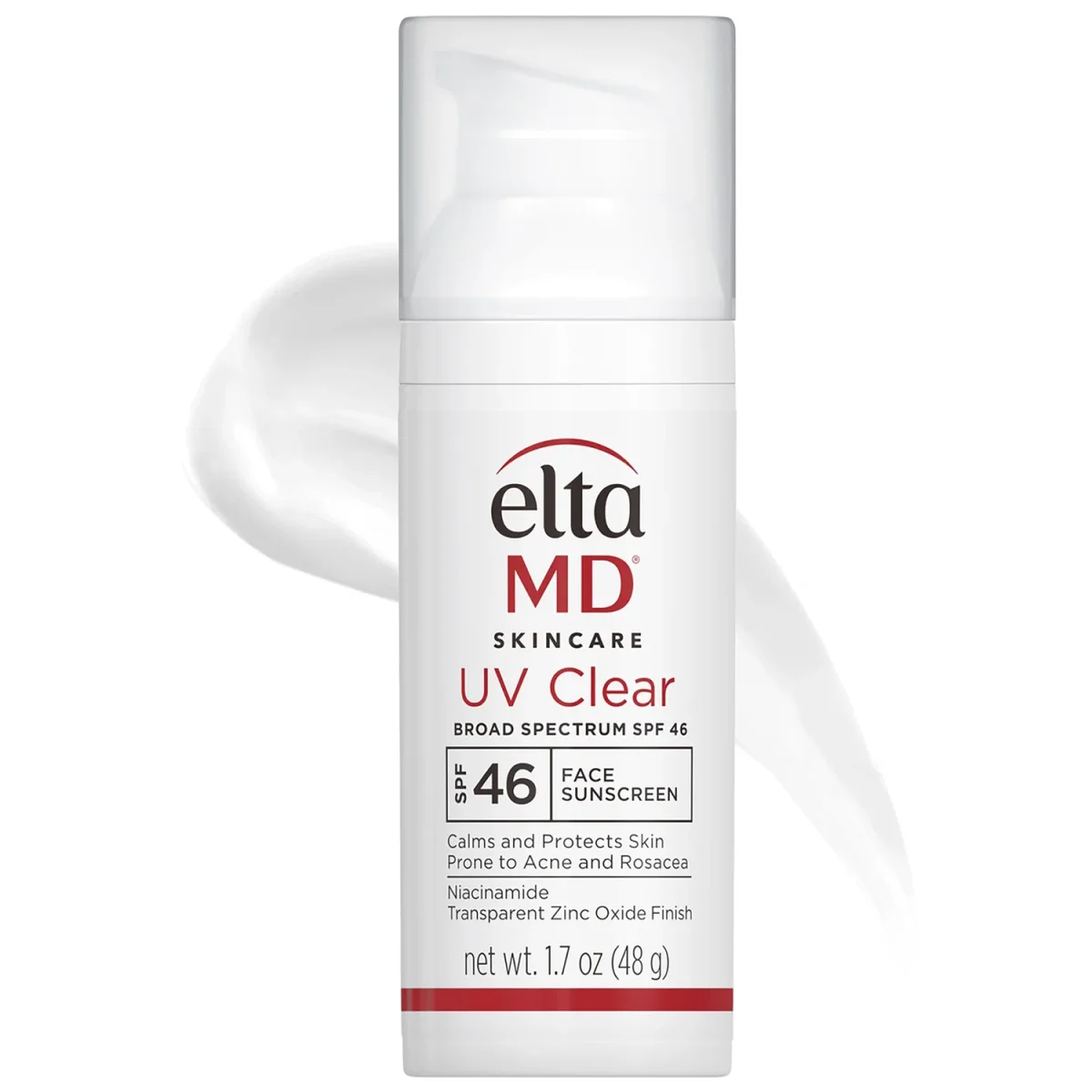
The US-market alternative that earns its spot on niacinamide content and matte finish alone. 5% niacinamide at a clinically meaningful concentration makes this the only SPF in the comparison that actively improves skin quality rather than just protecting it - and for acne-prone or oily skin, that tips the balance.
The SPF recommendation for US-based and acne-prone skin types who can't access Anthelios UVMune reliably.
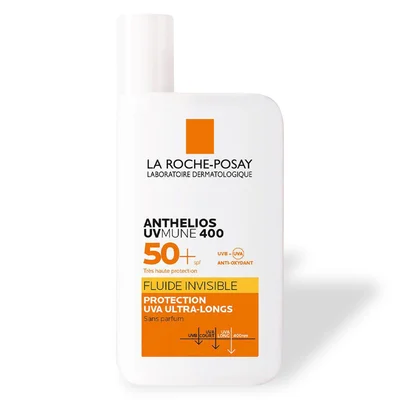
The best UVA coverage commercially available without importing a prescription product, and the clear Round 4 winner on objective protection metrics. The US availability issue is a real practical problem, but for EU-based men or anyone willing to order online, this is the SPF recommendation.
Round 4 winner on UVA coverage depth - the SPF benchmark against which everything else in this guide is measured.
The benchmark budget cleanser for a reason. Does exactly one thing - cleans without stripping - and executes it with better economics than anything else in the category. If your skin is normal to dry and you're not running heavy actives, this is the clear call.
Round 1 contender and the price benchmark against which LRP's cleanser has to justify itself.
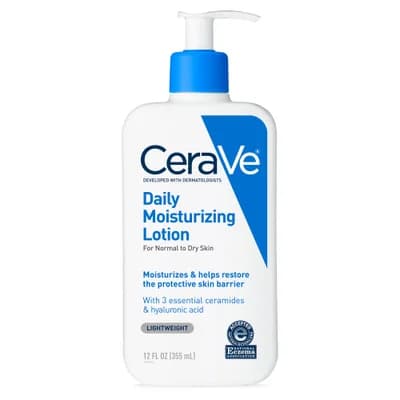
Solid ceramide credentials at drugstore prices, but the standalone daytime version is slightly less compelling than CeraVe AM. Works best as a daytime moisturiser on oily skin where you're applying a separate SPF on top.
Round 2 contender representing CeraVe's daytime moisturiser offering against LRP Toleriane Double Repair.
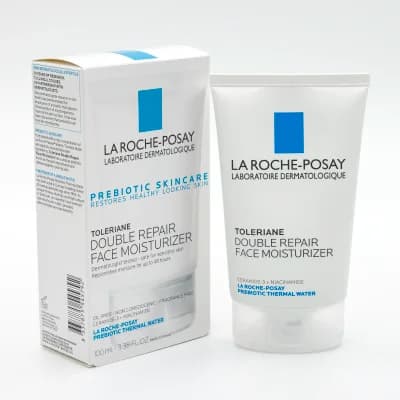
Absorbs faster, niacinamide included, and sits cleaner under SPF than CeraVe's daytime option. The undisclosed niacinamide concentration is mildly annoying, but the overall formulation earns its modest premium. Narrow winner in Round 2.
Round 2 winner for daytime moisturiser - the better pick for most skin types over CeraVe Daily Lotion.
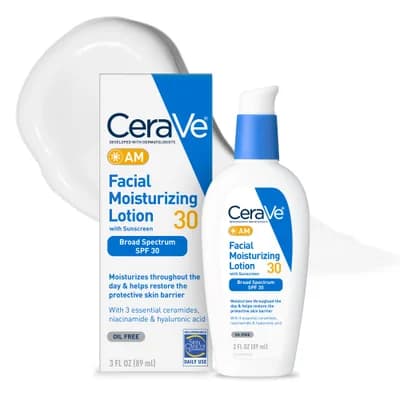
The entry-level SPF choice for anyone starting from zero. The compliance argument is its strongest asset - one step covering ceramides, niacinamide, and SPF 30 removes every excuse. Not the best SPF in absolute terms, but the best SPF for someone who currently uses no SPF.
Round 4 budget SPF option and the lowest-friction route to daily sun protection compliance.
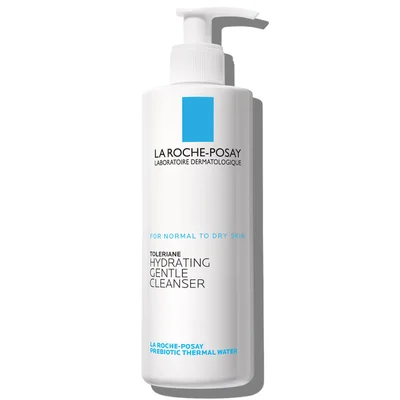
Marginally more cautious formulation makes it the right call for reactive or actives-heavy routines, but for most skin types the performance difference over CeraVe doesn't justify the modest price premium. Buy on promotion if you go this route.
Round 1 opponent to CeraVe's cleanser and the better pick for sensitive or post-treatment skin.
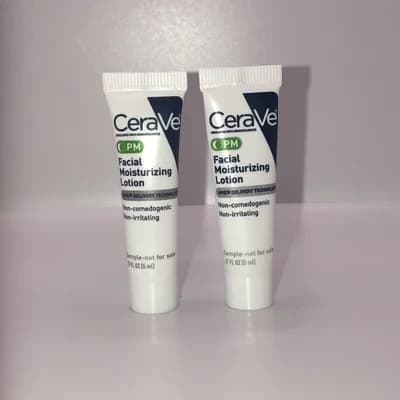
Round 3 winner by default and by genuine merit. The explicitly labelled 4% niacinamide is rarer than it should be in this category, and the overnight absorption and zero morning residue make it one of the most underrated products in the drugstore skincare canon.
The only dedicated PM moisturiser in this comparison and a legitimate reason to favour CeraVe for the evening routine.
The Brief: Why This Fight Is Actually Worth Having
Most drugstore skincare comparisons are written by people who've never used both products on the same face, in the same climate, for longer than a press sample allows. This one isn't that. CeraVe and La Roche-Posay both have legitimate dermatological credentials, both are fragrance-free across their core ranges, and both use ceramide science as a central mechanic rather than a marketing garnish. The price gap between them is real but not catastrophic - roughly $7-13 per product in most markets. What matters is *where* that gap is justified and where it isn't.
The other thing worth saying upfront: neither brand is a hardmaxx play. Nobody is going to look at your moisturiser and revise their opinion of your bone structure. But consistent barrier support, a working SPF habit, and skin that doesn't look like it's staging a protest? That's the softmaxx stack that actually moves the needle. Incremental gains, compounded daily. Which is, come to think of it, the only kind of gain that's ever real.
---
Round 1 - Cleanser: CeraVe Hydrating Facial Cleanser vs La Roche-Posay Toleriane Hydrating Gentle Cleanser
CeraVe Hydrating Facial Cleanser
Best for: Dry to normal skin types, anyone running an actives-heavy PM routine who can't afford barrier disruption, men who want a genuinely no-fuss morning wash that costs almost nothing per use.
What it actually does: Cleans without stripping. That's the whole brief and it executes it with no drama. The micellar-action formula removes daily grime, excess sebum, and residual product without disturbing the ceramide layer your skin spends all night trying to rebuild. There's no lather to speak of - which will bother some people more than it should, but foam is marketing, not efficacy.
Real performance: The 16oz pump bottle at under $17 works out to roughly 3-5 cents per wash. It's consistent batch to batch (unusual in budget skincare), fragrance-free, and dermatologist-tested without that being a hollow claim. The trade-off: it does nothing active. No glycolic acid, no salicylic, no treatment benefit beyond keeping your barrier intact. If your skin needs more than maintenance cleansing, you need a different product.
Price: ~$17 for 16oz. Outstanding per-use cost.
Pros: Essentially zero irritation risk, genuinely safe for reactive skin, best per-wash economics in the category, reproducible formula.
Cons: No treatment benefit whatsoever, no lather (a psychological obstacle for some), packaging is aggressively functional.
---
La Roche-Posay Toleriane Hydrating Gentle Cleanser
Best for: Men running prescription retinoids or actives routines where any additional irritation is a problem, sensitive or eczema-prone skin, anyone whose current cleanser is making their skin feel tight afterwards.
What it actually does: The same job as CeraVe's cleanser, with marginally more sophisticated ceramide credentials (NP, AP, and EOP - matching CeraVe's clinical trio). It rinses completely clean, leaves no greasy residue, and it's one of the few hydrating cleansers that doesn't trade thorough cleansing for moisturisation theatre.
Real performance: A 400ml bottle at twice-daily use lasts roughly four to six months, which makes the per-use cost negligible once you factor that in. The formula is soap-free, fragrance-free, and sensitisation reactions are genuinely rare. The weakness: it's not appropriate as a standalone for oily or acne-prone skin - it won't shift the kind of sebum load that needs a proper foaming or gel cleanser.
Price: ~$15-20 for 400ml depending on retailer. LRP pricing has crept up without reformulation, so buy on promotion when you can.
Pros: Exceptional for actives-heavy routines, thorough rinse, ceramide credentials are genuine.
Cons: Also does nothing active, same foam limitation, slightly more expensive than CeraVe for comparable performance.
Round 1 Verdict
CeraVe wins on price. Draw on performance. If your skin is normal to dry and you want the most barrier-safe cleanser for the least money, CeraVe is the answer. If you're on retinoids or prescription actives and your skin is genuinely reactive, LRP's slight premium is worth it. For everyone else: save the difference.
---
Round 2 - Daytime Moisturiser: CeraVe Daily Moisturizing Lotion vs La Roche-Posay Toleriane Double Repair
CeraVe Daily Moisturizing Lotion
Best for: Anyone who layers a separate SPF on top, oily-to-normal skin in moderate climates, cost-conscious routines where the ceramide investment is non-negotiable but the budget isn't.
What it actually does: Three-ceramide complex with actual clinical backing for barrier repair - not ceramides included for the label copy, ceramides at levels shown to make a measurable difference. Non-comedogenic, fragrance-free, and it replicates the core hydration function of moisturisers costing three to five times more.
Real performance: At $12-16, this is the unembarrassing budget option. It can feel slightly heavy on oily skin in humid weather, and the 3oz bottle is small relative to price-per-ml if you're covering face and neck. The SPF 30 version (CeraVe AM, reviewed below) is the more interesting product - the Daily Lotion as a standalone moisturiser without SPF is a slightly less compelling proposition.
Price: ~$12-16 for 3oz.
Pros: Ceramide credentials are real, fragrance-free, minimal irritation risk, affordable.
Cons: Can sit heavy on oily skin, small bottle, better value in the AM SPF version.
---
La Roche-Posay Toleriane Double Repair Face Moisturizer
Best for: Dry to combination skin, post-treatment skin that needs barrier rehabilitation, men whose current moisturiser is either doing nothing or making them greasy.
What it actually does: Ceramide plus niacinamide in a formula that absorbs in under 60 seconds and sits cleanly under SPF without pilling. The 'Double Repair' branding is mildly dramatic for what is, ultimately, a very good moisturiser - but the barrier repair credentials are backed by more than the name.
Real performance: Punches well above its price bracket against prestige alternatives. The niacinamide concentration is undisclosed - which is an irritating lack of transparency, and means you're trusting LRP's formulation team rather than knowing the numbers yourself. The tube packaging gets fiddly when nearly empty, and genuinely dry skin types will want something richer.
Price: ~$20-25 depending on size and retailer.
> Mariana's Take: The Toleriane Double Repair is the one I'd recommend to a man starting a routine from scratch - it's idiot-proof in the best possible way, it doesn't leave a finish that looks like he's sweating, and it actually does something rather than just sitting on the surface.
Pros: Absorbs fast, niacinamide included, excellent under-SPF layering, outperforms prestige alternatives at this price.
Cons: Niacinamide dose undisclosed, tube packaging is annoying, not occlusive enough for genuinely dry skin.
Round 2 Verdict
La Roche-Posay wins narrowly. The Toleriane Double Repair absorbs faster, sits better under SPF, and includes niacinamide - even if LRP won't tell you how much. For oily skin on a tight budget, CeraVe Daily is a respectable fallback. For everyone else, the extra fiver on LRP is justified.
---
Round 3 - PM Moisturiser: CeraVe PM vs Nothing From LRP (Because There Isn't One)
This round is a walkover. La Roche-Posay doesn't make a dedicated PM moisturiser in any meaningful sense. You'd use Toleriane Double Repair day and night, which works fine, but you're missing the niacinamide boost that makes a purpose-built PM formula genuinely useful for overnight repair.
CeraVe PM Facial Moisturizing Lotion
Best for: Every man who wants an overnight moisturiser with explicit active credentials. Normal to oily skin. Men who've been using their daytime moisturiser at night and wondering why they bother.
What it actually does: 4% niacinamide - explicitly labelled, no proprietary-blend obscurantism - combined with ceramides and hyaluronic acid. Niacinamide at this concentration visibly reduces sebum production, redness, and early pigmentation with consistent nightly use over six to eight weeks. The mechanism is real; it's not marketing language.
Real performance: Absorbs in under 60 seconds, no greasy morning residue, fragrance-free and non-comedogenic. Overnight hydration comparable to moisturisers costing five times more, and I cannot stress this enough: the explicit 4% niacinamide labelling matters. You know what you're getting. The limitation is that the lightweight formula doesn't serve genuinely dry skin types well - if your skin is tight and flaking by morning, you need something richer as either a replacement or a second step.
Price: ~$15-18 for 3oz. Roughly 15-20 cents per application at correct dosing.
Pros: Explicit niacinamide percentage (rare), fast absorption, zero morning residue, genuinely effective active for sebum and redness.
Cons: Not rich enough for dry skin, packaging is drab, 4% is effective but won't satisfy anyone wanting aggressive results.
Round 3 Verdict
CeraVe wins by default. La Roche-Posay simply doesn't have a product in this category. CeraVe PM is one of the more underrated products in the entire drugstore skincare canon - the explicit 4% niacinamide labelling alone puts it ahead of twice-priced alternatives that hide their concentrations behind 'proprietary complexes.'
---
Round 4 - SPF: CeraVe AM vs La Roche-Posay Anthelios UVMune 400 (And Why EltaMD Is Waiting in the Wings)
This is the round that actually matters. SPF is the single most evidence-backed anti-ageing intervention available without a prescription. The difference between men who look 38 at 42 and men who look 52 at 42 is largely SPF compliance over two decades, and I'm including myself in that assessment, having arrived late to this particular party.
CeraVe AM Facial Moisturizing Lotion SPF 30
Best for: Men who currently use no SPF and need the lowest possible barrier to entry. Anyone who wants ceramide support and sun protection in one step to simplify the morning routine.
What it actually does: SPF 30, ceramide complex, and niacinamide in a single product. The compliance argument is the strongest one here: the SPF you actually apply every day outperforms the SPF 50 you skip because it takes too long. CeraVe AM makes skipping difficult because it's already your moisturiser.
Real performance: A faint white cast is real - more pronounced on medium to dark skin tones, and worth knowing before you buy. The texture is heavier than premium Japanese SPF formulas and takes slightly longer to absorb. Price-per-use at 15-20 cents per application is genuinely excellent. The core limitation: SPF 30 is the minimum recommended threshold, and the UVA protection isn't comprehensive by 2025 standards. For daily commuting in the UK, it's fine. For high-UV environments or men spending meaningful time outdoors, you need to upgrade.
Price: ~$15-18.
Pros: Ceramides plus niacinamide plus SPF in one step, lowest per-use cost in category, fragrance-free and non-comedogenic.
Cons: White cast on darker skin, heavier texture, SPF 30 insufficient for outdoor or high-UV use.
---
La Roche-Posay Anthelios UVMune 400 SPF 50
Best for: Anyone who actually cares about comprehensive UVA protection. Men in genuinely high-UV environments. Anyone with a history of sun sensitivity, post-procedure skin, or who simply wants the best daily SPF coverage commercially available.
What it actually does: Mexoryl 400 covers ultra-long UVA wavelengths (370-400nm) that standard UV filters - including everything available in the US market - don't reach. The PPD (UVA Protection Factor) rating is one of the highest available commercially. The invisible fluid formula has no meaningful white cast and minimal greasiness on most skin types. It's also been formulated for reactive and post-procedure skin, which means the sensitisation risk is low.
Real performance: The 50ml tube runs out fast at correct dosing - a quarter-teaspoon for the face and neck, which is more than most men apply. Buy the 75ml version when available. The small amount of denatured alcohol may irritate severely compromised or very dry skin barriers. Not widely available in US retail - often requires importing from EU pharmacies or third-party sellers, which adds both cost and lead time.
Price: ~$20-26 in EU markets. More expensive and less convenient in the US.
Pros: Best UVA spectrum coverage available without prescription, no white cast, minimal greasiness, low irritant profile.
Cons: Alcohol content (minor), US availability is a genuine problem, runs through fast with correct dosing.
---
EltaMD UV Clear SPF 46 - The US-Market Alternative
If you're in the US and can't get the Anthelios UVMune 400 without importing it, EltaMD UV Clear SPF 46 is the next best thing - and arguably the better choice for acne-prone skin specifically.
Best for: Acne-prone and oily skin, men who've been skipping SPF because mineral formulas look chalky, anyone who wants niacinamide benefits built into their sun protection.
What it actually does: 9% zinc oxide (mineral broad-spectrum protection) plus 5% niacinamide. The niacinamide at that concentration visibly reduces sebum and redness after four to six weeks of consistent use - which makes this, unusually, a SPF that actively improves skin quality rather than just protecting it. The matte finish eliminates the need for a separate primer or mattifying step.
Real performance: Virtually no white cast for a 9% zinc oxide formula - genuinely wearable on medium skin tones, which is unusual. The 48ml tube runs out fast at correct dosing. Slightly flat finish on dry skin types; CeraVe AM or Anthelios may suit drier complexions better. UVA depth is marginally behind Mexoryl 400 in genuinely high-UV environments, but for daily UK or moderate-US-climate use, this is a non-issue.
Price: ~$35-40 for 48ml. More expensive than CeraVe AM but justified for acne-prone and oily skin types.
Pros: 5% niacinamide at a clinically meaningful concentration, minimal white cast for mineral SPF, matte finish, fragrance-free, oil-free, non-comedogenic.
Cons: Smaller tube, slightly flat on dry skin, UVA depth marginally behind Anthelios UVMune.
> Mariana's Take: EltaMD is the one I'd push a man towards if I saw him reaching for the CeraVe AM. The matte finish is the practical difference - it's the SPF that doesn't make someone look like they've applied something. Which is, genuinely, what matters at the stage of actually having to look at them.
Round 4 Verdict
La Roche-Posay Anthelios UVMune 400 wins on coverage. EltaMD wins for acne-prone US skin. CeraVe AM wins for budget compliance. The hierarchy is clear: if UVA protection depth matters and you can get it, Anthelios is the pick. If you're US-based with oily or acne-prone skin, EltaMD UV Clear. If you're starting from zero and need the cheapest route to daily SPF compliance, CeraVe AM is a perfectly respectable starting point.
---
The Scorecard: Who Wins by Skin Type
Normal to dry skin: Split the brands. CeraVe Hydrating Cleanser, LRP Toleriane Double Repair for daytime, CeraVe PM at night, Anthelios UVMune 400 (or EltaMD if US-based) for SPF.
Oily and acne-prone: CeraVe for cleanser and PM moisturiser, EltaMD UV Clear for SPF (the niacinamide and matte finish earn it, despite the price). Skip the heavy daytime moisturiser if your skin doesn't need it - SPF alone is fine on most days.
Sensitive and reactive skin (including retinoid users): LRP Toleriane Gentle Cleanser for the marginally more cautious formula, LRP Toleriane Double Repair for daytime, CeraVe PM at night, Anthelios UVMune 400 for SPF given its tested-on-reactive-skin credentials.
Post-procedure or compromised barrier: LRP across the board except SPF, where Anthelios UVMune is the clear choice. Skip actives temporarily and focus on rebuilding before you add niacinamide or anything else back in.
---
The Budget Case: What You Actually Save Going All-CeraVe
Full CeraVe stack (Hydrating Cleanser, Daily Lotion, PM Lotion, AM SPF): approximately $55-68 depending on sizing and retailer. Full LRP stack (Toleriane Gentle Cleanser, Toleriane Double Repair twice daily, Anthelios UVMune SPF): approximately $60-80, more if you're importing Anthelios from the EU.
The gap is roughly $10-25 across a complete routine. Per day, assuming product longevity at correct dosing, you're looking at a difference of 8-15 cents. The case for going all-CeraVe on budget grounds is real but not dramatic. The case for the hybrid approach - CeraVe cleanser and PM, LRP daytime moisturiser and SPF - costs roughly $5-10 more than all-CeraVe and wins on objective performance metrics in three of four categories.
---
The Honest Verdict: When to Split the Difference
Look, the editorial premise here was that both brands are legitimately good, and that holds. Neither is a grift. Neither is riding brand equity without formula quality to back it up. The interesting answer - which is always the less satisfying one - is that the optimal routine uses both.
CeraVe wins on cleanser economics and PM moisturiser (by default, but also genuinely). La Roche-Posay wins on daytime moisturiser and SPF - though EltaMD displaces Anthelios for US-based acne and oily skin types who can't import reliably. The SPF decision is the most consequential one in this entire comparison, and that's the hill worth dying on: get the right SPF for your skin type, use it every morning at the correct dose (quarter-teaspoon for face and neck, not the performative smear), and the cleanser and moisturiser choices start to matter less.
This is softmaxxing at its most unglamorous and most effective. No jawline tools, no bone-smashing discourse, no 17-step routine requiring a spreadsheet. Just consistent barrier support, a working niacinamide habit, and daily SPF. Compounded over two to three years, it's the stack that actually changes how you look. The brands, as it turns out, are almost beside the point.
Tips
- 1.Apply SPF at a quarter-teaspoon for face and neck - most men use roughly half that, which cuts your actual protection factor significantly. The white cast complaint largely disappears when you apply the right amount and blend it properly rather than dabbing it on and hoping for the best.
- 2.If you're new to niacinamide, CeraVe PM is the lowest-risk entry point: 4% is effective, the labelling is transparent, and the non-comedogenic formula means it won't cause the purging phase some people incorrectly blame on actives. Start there before you go anywhere near the 10% serums.
- 3.The hybrid stack - CeraVe cleanser and PM, LRP Toleriane Double Repair daytime, and EltaMD or Anthelios for SPF - costs roughly $5-10 more per month than going all-CeraVe and outperforms it in three of four categories. The brand loyalty argument doesn't hold when you actually do the maths.
The Bottom Line
Go hybrid. CeraVe for the cleanser and PM moisturiser, La Roche-Posay Toleriane Double Repair for daytime, and either Anthelios UVMune 400 (if you're in the EU or willing to order it) or EltaMD UV Clear (if you're US-based with oily or acne-prone skin) for SPF. The SPF decision is the most important one in this entire comparison - get that right first, then work backwards. Everything else is useful, but SPF is the intervention that compounds over years into something you'll actually be able to see. Right?
Frequently Asked Questions
Is CeraVe or La Roche-Posay better for men's skincare?
CeraVe Hydrating Facial Cleanser vs La Roche-Posay Toleriane Gentle Cleanser — which should I buy?
Is CeraVe AM SPF 30 good enough or should I use EltaMD UV Clear SPF 46?
What is the best drugstore SPF for men in 2025?
CeraVe PM vs La Roche-Posay Toleriane Double Repair — which night moisturiser is worth it?
Is La Roche-Posay actually worth the extra money compared to CeraVe?
Related Guides
HOW TO
How to Build a Men's Skincare Routine: The Three Steps That Actually Add a Point
If you're starting from zero, build around CeraVe Hydrating Facial Cleanser, The Ordinary Niacinamide 10% + Zinc 1%, and EltaMD UV Clear SPF 46 - cleanser, one active, SPF. That's it. Three steps, under fifteen minutes a day combined, and your skin will look measurably better in six weeks. Everything else is optional.
HOW TO
Retinol for Beginners: How to Use It Without Burning Your Face Off
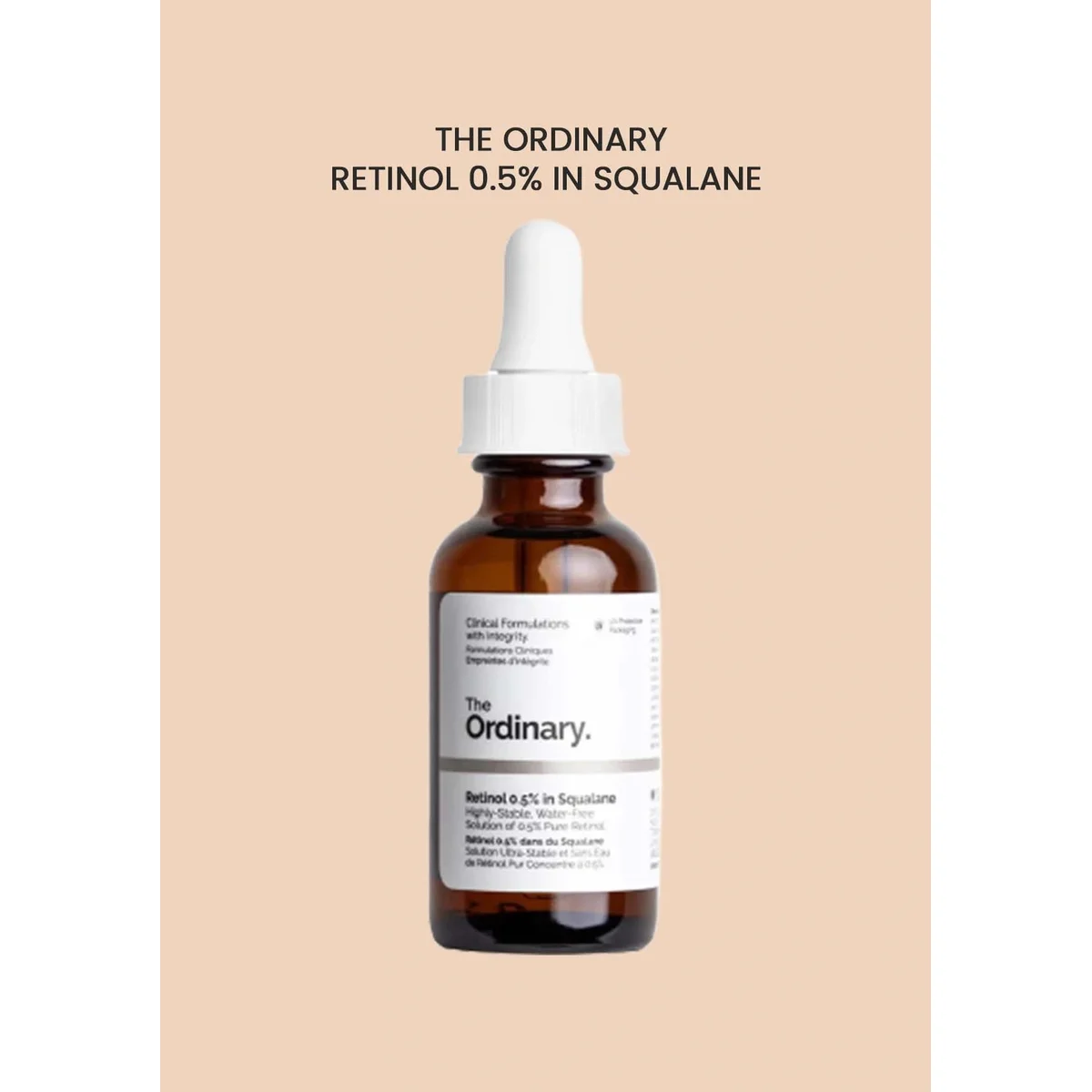
The Ordinary Retinol 0.5% in Squalane is the right starting point for most men getting into retinol - same active concentration as products costing six times more, the squalane base is forgiving enough to take the edge off early irritation, and at under $9 for a bottle that lasts four months, you've run out of financial excuses. Pair it with the CeraVe Hydrating Facial Cleanser, La Roche-Posay Toleriane moisturiser, and EltaMD UV Clear SPF 46 and you have a complete protocol that a dermatologist would recognise as legitimate.
DUPE GUIDE
The Ordinary Retinol 0.5% in Squalane: What It Actually Does, What to Pair It With, and What Not to Waste Your Money On
The Ordinary Retinol 0.5% in Squalane is already the budget answer to a $230 SkinCeuticals bottle - same active percentage, 6% of the price, and it works. The catch is that retinol without the right support routine is how you end up with a raw, peeling face and a grudge against actives. Pair it with the CeraVe Hydrating Facial Cleanser, La Roche-Posay Toleriane Double Repair Moisturiser, and EltaMD UV Clear SPF 46, and you've got a complete retinol routine for under $65 total.