
DUPE GUIDE
The Ordinary Retinol 0.5% in Squalane: What It Actually Does, What to Pair It With, and What Not to Waste Your Money On
The $8 retinol that works — if you build the right routine around it.
Last updated: August 25, 2026
Quick Answer
The Ordinary Retinol 0.5% in Squalane is already the budget answer to a $230 SkinCeuticals bottle - same active percentage, 6% of the price, and it works. The catch is that retinol without the right support routine is how you end up with a raw, peeling face and a grudge against actives. Pair it with the CeraVe Hydrating Facial Cleanser, La Roche-Posay Toleriane Double Repair Moisturiser, and EltaMD UV Clear SPF 46, and you've got a complete retinol routine for under $65 total.
Right, so someone sent you a looksmaxxing TikTok about retinol. Or your dermatologist mentioned it. Or you noticed your skin texture looks like a topographic map and you'd like it not to. Whatever the entry point, you've landed on The Ordinary Retinol 0.5% in Squalane - which is, genuinely, one of the better value propositions in skincare. Under $8. Works. Measurably improves skin turnover. The same active concentration as bottles that cost $195 more.
Here's the part the TikTok didn't mention: retinol is not a standalone product. It's a catalyst. Use it in isolation, with the wrong cleanser and no SPF, and your face will spend weeks looking worse before looking better - and then you'll blame the retinol, stop using it, and miss out on the actual results. The purge is real. The barrier disruption is real. The sun sensitivity is real. None of this is dramatic if you know what you're doing. All of it is a problem if you don't.
This isn't really a dupe guide - The Ordinary is already the dupe, and a remarkably good one. What this is instead is a minimum viable retinol routine: the anchor product, the cleanser that won't undermine it, the moisturiser that stops your barrier staging a walkout, and the SPF that makes the whole thing safe. I've been through the purge. I've made the mistakes. I've also seen what consistent retinol use does to skin texture after twelve weeks, and the results are not subtle. Let's just do it properly.
Featured Products
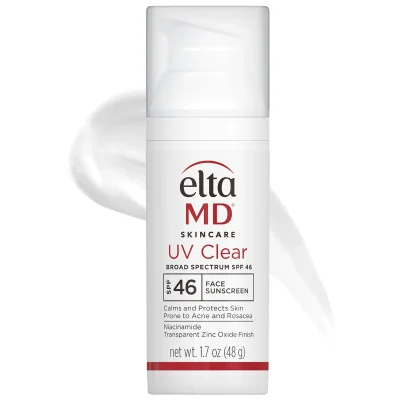
The SPF recommendation for this routine without contest. Forty-six SPF, matte finish, virtually no white cast for a mineral formula, 5% niacinamide that does visible work on sebum and redness over four to six weeks. The fact that it's what dermatologists actually use is a data point, not a marketing line.
Primary SPF recommendation - the niacinamide inclusion and matte finish make it specifically well-suited to a retinol routine.
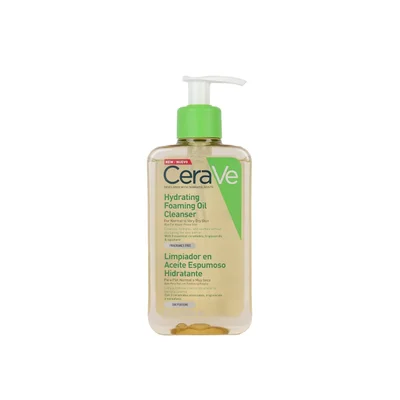
Does nothing glamorous and everything necessary. Non-stripping, fragrance-free, maintains the skin barrier that retinol will otherwise compromise - which makes it the correct cleanser for this routine. The best per-wash cost in the category and no quality variance surprises.
The gentlest, most cost-effective cleanser option for maintaining barrier integrity during a retinol routine.
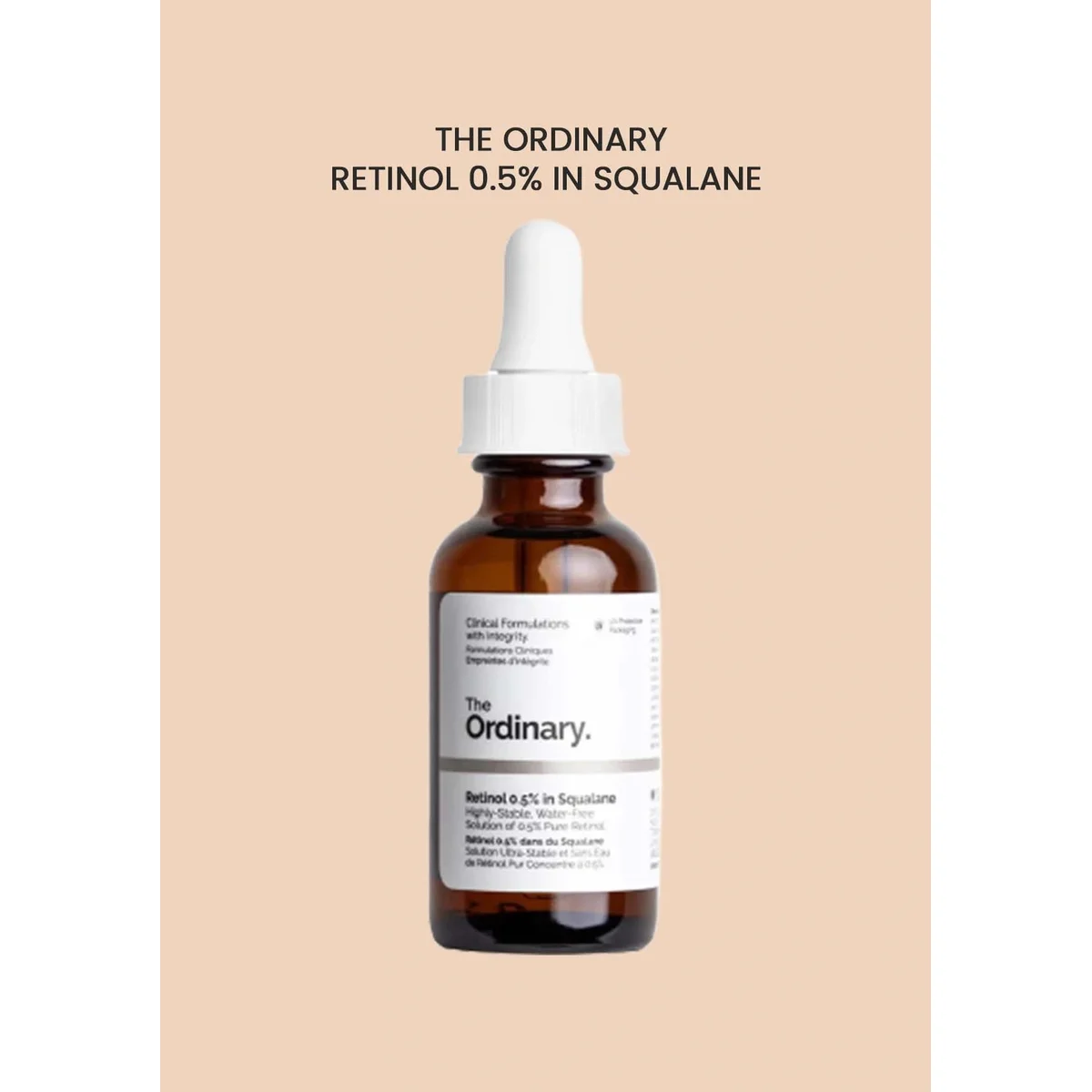
The anchor of this entire guide and one of the most defensible value propositions in skincare. Same active percentage as a $120 SkinCeuticals bottle, under $8, works if you support it properly. The lack of encapsulation is a real formulation trade-off, not nothing - store it correctly and use it with the right routine, and it delivers measurable results within twelve weeks.
This is the primary product the entire guide is built around - the retinol that makes the minimum viable routine worth having.
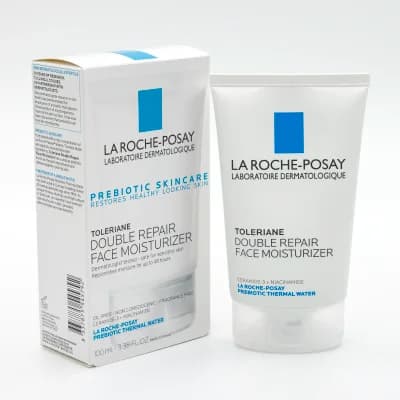
The moisturiser that belongs in a retinol routine without reservation. Genuine barrier repair through ceramides and niacinamide, absorbs without residue, sits under SPF without issue, and outperforms prestige moisturisers at a fraction of the cost. The pump-less tube is a minor but genuine inconvenience.
Primary moisturiser recommendation for barrier repair during the retinol adjustment period - the formulation credibility and texture make it the best fit for this routine.
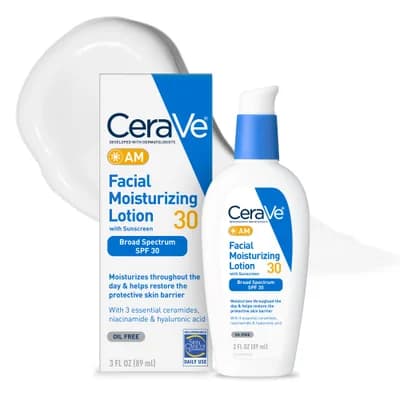
A legitimate budget SPF option that does the required job at fifteen to twenty cents per application. Faint white cast and SPF 30 ceiling are honest limitations worth knowing, but for daily use in moderate UV environments it provides real protection and won't irritate retinol-adjusted skin.
Budget SPF alternative for the retinol routine - provides daily protection with barrier-supporting ingredients at a price point that removes all excuses.
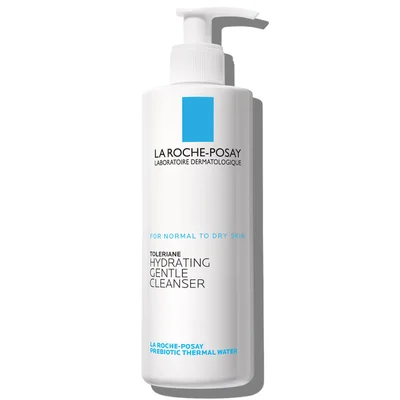
The cleanser for reactive or sensitised skin types running a retinol routine. The ceramide complex matches CeraVe's clinical trio, it rinses clean without residue, and it's as low-sensitisation-risk as cleansers get. The price has crept up without reformulation, so catch it on promotion or stick with CeraVe for normal skin.
Alternative cleanser recommendation for reactive skin types where the CeraVe's formulation may not provide quite enough barrier support.
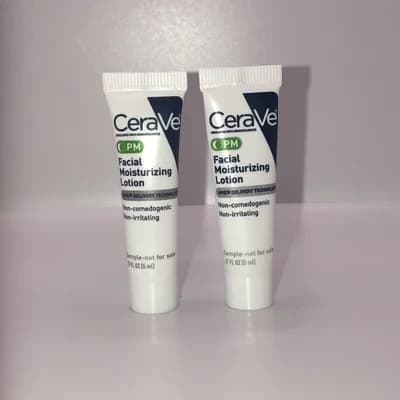
Legitimate budget alternative to the La Roche-Posay for oily and combination skin types. Four percent niacinamide, explicitly labelled, absorbs in under sixty seconds, no greasy residue. Not enough for genuinely dry skin, but does the job for the majority of men in this routine.
Budget-tier evening moisturiser option for oily to combination skin types who want explicit niacinamide labelling and lower spend.
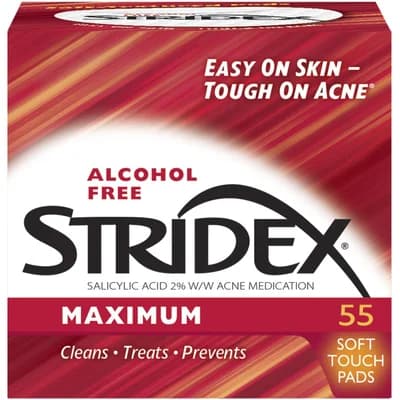
Exceptional BHA value for acne-prone skin and a legitimate part of an extended routine - but not on the same nights as retinol. Alternate nights if using both. The 2% salicylic acid at under $9 for ninety pads makes the premium BHA market look like a branding exercise, but the high SD alcohol content means it's not for dry or sensitive skin types.
Contextually relevant for acne-prone skin types building a broader routine around retinol - included with a clear use-case boundary around not stacking with retinol on the same night.
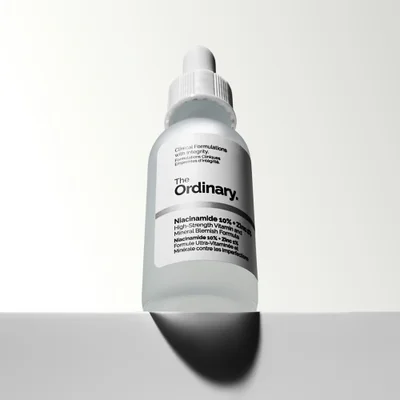
$7 at the clinical niacinamide ceiling - 10% is where studies show measurable effect on sebum and pore appearance. Legitimate stacking choice during the retinol purge phase for oily and combination skin types. Does one job and one job only, which is exactly what it should do at this price.
The one serum worth stacking with retinol - niacinamide specifically supports the skin conditions the retinol adjustment period creates.
What The Ordinary Retinol 0.5% in Squalane Actually Does (And What It Doesn't)
Retinol is a vitamin A derivative. What it does, mechanically, is accelerate cell turnover - pushing newer skin cells to the surface faster than your skin would manage on its own. The result, over eight to twelve weeks of consistent use, is measurably improved texture, reduced appearance of fine lines, and evening of skin tone. This is not anecdotal. This is one of the most robustly evidenced actives in skincare, which is why dermatologists have been recommending it since the 1970s and why every premium skincare brand has a retinol line with aspirational packaging and a price point that implies the formula was assembled by hand in a Swiss laboratory.
The Ordinary's version is not assembled in a Swiss laboratory. It's a 0.5% retinol concentration suspended in squalane - a lightweight, non-comedogenic oil that helps with delivery and reduces the dryness that alcohol-suspension retinol formulas tend to cause. It costs under $8 for 30ml. That 30ml lasts four to five months at the recommended three-applications-per-week frequency. The SkinCeuticals Retinol 0.5 - same percentage, different vehicle, much more expensive packaging - retails at around $120. The Ordinary version isn't identical, and I'll cover the formulation difference honestly in the comparison section, but the active concentration is the same. Do the maths.
What retinol at 0.5% does not do: it doesn't erase deep structural wrinkles (that's for hardmaxxers with medical budgets and a higher pain threshold than me), it doesn't treat active acne as a primary intervention, and it doesn't work in six days regardless of what any before-and-after Instagram post implies. The timeline is eight to twelve weeks minimum. The skin improvements are real. The patience required is annoying but non-negotiable.
Who should not start here: If you've never used a retinoid before, 0.5% is a meaningful concentration. Genuinely. Beginners should consider starting at 0.2% or using retinyl palmitate (a gentler retinoid ester) for four to six weeks first. The 0.5% will work faster, but it'll also cause more initial irritation, more purging, and a higher probability of you quitting before the results arrive.
---
The Purge: What Weeks 2-4 Look Like and Why You Shouldn't Quit
The purge is the bit nobody photographs for their transformation content. Weeks two to four of retinol use, for many people, look worse than baseline. Skin texture roughens. Small breakouts surface. There may be mild flaking around the mouth and nose. This isn't an allergic reaction. This is accelerated cell turnover doing exactly what it's supposed to do - pushing congestion and dead skin cells to the surface faster than they'd arrive on their own schedule.
The mistake most men make is quitting during the purge. The second most common mistake is panic-adding more actives to 'fix' the purge skin, which extends and worsens it. The correct response is boring: keep washing gently, keep moisturising properly, keep applying SPF, and apply the retinol three times per week (not every night, not twice a day). That's it. The purge resolves. The skin on the other side of it is the skin you were trying to get to.
A few data points to calibrate expectations: most users see the worst of the purge between days ten and twenty-one. By week six, most people are back to baseline or better. By week twelve, texture improvements are typically visible and - and I cannot stress this enough - genuinely noticeable to other people. The results are real. The timeline requires you to not catastrophise during the awkward middle bit.
> Mariana's Take: When a man's skin is clearly going through a retinol adjustment phase, it reads differently to when his skin just looks bad. One of them suggests a process. The other doesn't. Stick with it - the outcome is visible from across a room.
---
The Cleanser Question: Why What You Wash With Matters More Than You Think
Most men use the wrong cleanser with actives and don't know it. A foaming cleanser with surfactants strong enough to strip oil will also strip the skin barrier - which means every active you apply afterwards is hitting compromised skin. More irritation, more purging, slower recovery. The cleanser is not neutral. It sets the conditions for everything that comes after it.
The brief for a retinol-routine cleanser is simple: non-stripping, fragrance-free, maintains pH, doesn't overwork. That's it. This is not exciting. You're not buying the cleanser for the experience of washing your face; you're buying it so your skin barrier survives the actives phase.
CeraVe Hydrating Facial Cleanser
Best for: Daily use in a retinol routine, particularly during the purge phase when skin is reactive
The CeraVe Hydrating Facial Cleanser does almost nothing glamorous and that is precisely its qualification. Fragrance-free, non-stripping, uses a micellar-action formula that removes dirt and surface oil without compromising the skin barrier. It contains ceramides, which support barrier function rather than disrupting it. The 16oz pump bottle costs under $17 and represents one of the best per-wash values in facial cleansing - somewhere around ten to fifteen cents per use.
The criticism that matters: it does nothing active. No treatment benefit for texture, acne, or pigmentation. If you're hoping the cleanser does double duty, it doesn't. Its job is to not damage your skin before the retinol does its actual job. It does that job extremely well.
The other criticism, which is real but not particularly actionable: the minimal lather will feel inadequate if your brain has been conditioned to equate foam with clean. That conditioning is wrong, but it does take a few weeks to stop feeling like you've missed a step.
Performance: Consistent batch-to-batch, dermatologist-tested, no quality variance surprises. Fragrance-free means no sensitisation risk. Does what it does, every time.
Price: Under $17 for 16oz. Absurdly good value. No caveat required.
La Roche-Posay Toleriane Hydrating Gentle Cleanser
Best for: Sensitive or reactive skin types, or anyone already using multiple actives
If the CeraVe is the reliable estate car, the La Roche-Posay Toleriane is the slightly more refined version that handles sensitised skin with marginally more care. The ceramide complex (NP, AP, and EOP) matches CeraVe's clinically-tested trio. It's fragrance-free, soap-free, and rinses without residue - which sounds like a low bar until you use a 'gentle' cleanser that leaves a film.
The honest argument against it: La Roche-Posay pricing has crept upward without reformulation, which means the value argument is now contingent on catching it on promotion. For most retinol routines, the CeraVe does the same job for less money. The LRP earns its place if your skin is already reactive, you're combining retinol with other actives, or you just prefer it - which is a legitimate reason.
Performance: 400ml bottle at twice-daily use lasts four to six months. Per-use cost is low once you account for bottle size, though the unit price is higher than CeraVe.
Price: Mid-range. Justifiable on sensitised skin. Slight overclaim on value for normal skin types that the CeraVe handles fine.
---
The Moisturiser Underneath: Barrier Repair Is Not Optional
Retinol accelerates skin turnover. That process, especially in the first six to eight weeks, compromises the skin barrier. A compromised barrier loses water faster, reacts to more things, and takes longer to recover. The moisturiser is not a luxury. It's the infrastructure that makes retinol tolerable and keeps your skin functional during the adjustment period.
The approach that works: apply moisturiser before or immediately after retinol (the 'sandwich method' - moisturiser, wait, retinol, moisturiser - reduces irritation for beginners). At minimum, moisturise after retinol application every single night it's used. Don't skip this because you don't feel dry. Trans-epidermal water loss happens whether your skin feels tight or not.
La Roche-Posay Toleriane Double Repair Face Moisturizer
Best for: The retinol routine anchor moisturiser; barrier repair during and after the purge phase
This is the moisturiser I'd put in the minimum viable retinol routine without hesitation. Genuine barrier repair credentials: ceramides, niacinamide (concentration undisclosed, which is mildly irritating, but the formulation performs), and a texture that absorbs in under sixty seconds without a greasy residue. It sits cleanly under SPF in the morning and under retinol in the evening without pilling.
The comparison to prestige moisturisers is not flattering to the prestige moisturisers. Against Kiehl's equivalents, Tatcha, and comparable $80-105 barrier creams, the LRP matches on function, costs significantly less, and has the dermatological credibility to back it up. The premium market is largely charging for the jar, and I say that as someone who has genuinely tested both ends of this category.
Honest limitations: the pump-less tube makes dosing inconsistent and gets fiddly when nearly empty (squeeze from the bottom, use a tube key - the usual solutions for a fundamentally annoying packaging decision). If your skin is genuinely very dry or you're coming off a heavy prescription retinoid, this isn't occlusive enough - you'd want CeraVe Healing Ointment for that job.
Performance: Absorbs quickly, no residue, no sensitisation. Works for combination to normal skin. Dry skin types may need a heavier second layer in winter.
Price: Mid-range. Punches well above it.
CeraVe PM Facial Moisturizing Lotion
Best for: Oily to combination skin types; anyone wanting a lightweight evening moisturiser with explicit niacinamide
The PM Lotion is the budget option and it's a legitimate one. Four percent niacinamide, explicitly labelled (no proprietary-blend obscurantism), ceramide barrier support, absorbs in under sixty seconds. At night, after retinol application, it does the required job: hydrates, supports barrier, no greasy residue to sleep in.
The limitation is honest: 4% niacinamide is effective but not aggressive, and the lightweight formula isn't enough for genuinely dry skin types. If your skin leans dry, use the La Roche-Posay instead. If your skin leans oily or combination and you're cost-optimising, the CeraVe PM does the job.
Performance: Consistent formulation, fragrance-free, non-comedogenic. Comparable overnight hydration to moisturisers costing five times more on skin types that suit its texture.
Price: Budget. No excuses at this price point.
---
SPF Is Not Negotiable - Here's the Hierarchy
Retinol increases photosensitivity. This is not a disclaimer buried in small print - it's the mechanism. Fresh skin cells at the surface are more vulnerable to UV damage than the older cells they replaced. If you use retinol without SPF, you're making your skin work harder to damage itself. The SPF is not optional. It's part of the retinol formula in the only sense that matters.
The hierarchy: any SPF is better than no SPF. SPF 30 is the clinical minimum. SPF 46-50 is better if you're using retinol. Mineral SPF (zinc oxide or titanium dioxide) is generally better tolerated on sensitised skin than some chemical filters. Matte finish matters for daily compliance, because the SPF you don't wear because it feels greasy isn't protecting anything.
EltaMD UV Clear SPF 46
Best for: The primary SPF recommendation for a retinol routine; particularly suited to oily, combination, or acne-prone skin
The EltaMD UV Clear is the SPF dermatologists actually use, which is not a marketing claim - it's a statement you can verify by checking what any working dermatologist has on their desk. Forty-six SPF, 9% zinc oxide (mineral, better tolerated on reactive skin), 5% niacinamide that visibly reduces sebum and redness after four to six weeks of consistent use. The finish is matte. There's virtually no white cast for a 9% zinc formula, which is genuinely unusual - most mineral SPFs at that zinc concentration are unwearable on medium-to-dark skin tones.
The niacinamide inclusion isn't accidental. The UV Clear is explicitly formulated for post-treatment and sensitive skin, which makes it well-matched to a retinol routine specifically. Fragrance-free, oil-free, non-comedogenic: it's about as low-risk a daily SPF as exists at this price point.
Honest cons: the 48ml tube runs out faster than you'd expect if you're applying a correct quarter-teaspoon amount rather than the performative smear most men think counts as SPF application. The flat finish can read slightly dry on genuinely dry skin types, where CeraVe AM or a French pharmacy SPF might suit better. UVA protection depth is marginally behind newer filter technology like Mexoryl 400 in Anthelios UVMune - relevant if you're spending significant time in genuinely high-UV environments, less relevant for a standard London commute.
Performance: Matte finish, no white cast in normal use, doesn't require a separate primer. Does what it says.
Price: Mid-range. Worth it. The niacinamide inclusion at this concentration makes it a two-for-one in a retinol routine.
> Mariana's Take: Men who use SPF daily look younger than men who don't. This isn't complicated. You can tell, and we can tell. EltaMD is the one I'd recommend to anyone who asked, because they'll actually wear it.
CeraVe AM Facial Moisturizing Lotion SPF 30
Best for: Budget daily SPF; mornings when the EltaMD UV Clear has run out; skin types that need more hydration alongside sun protection
The CeraVe AM is the budget-tier SPF option and the honest answer is: it's fine. SPF 30 at the minimum clinical threshold, ceramides, niacinamide, in one step that costs next to nothing per application. For daily use in low-to-moderate UV environments, it provides meaningful protection and the formulation is safe for sensitive and retinol-adjusted skin.
The honest limitations: there's a faint white cast, more pronounced on medium-to-dark skin tones. The texture is heavier than premium Japanese SPF formulas and takes slightly longer to absorb. SPF 30 is the minimum - outdoor workers or anyone in genuinely sunny climates should use SPF 50+. If you're on a retinol routine specifically, I'd suggest the EltaMD UV Clear as the primary recommendation and the CeraVe AM as the cost-aware alternative rather than the upgrade.
Performance: Consistent batch-to-batch formula across a decade of production. Roughly fifteen to twenty cents per application. Doesn't break out acne-prone skin.
Price: Budget. Excellent value. Minor visual compromises on darker skin tones worth knowing about.
---
The One Serum Worth Stacking (Niacinamide, Not Vitamin C)
Common mistake: adding vitamin C to a retinol routine in week one because you read they 'work together.' They don't play well together in the same routine window. Vitamin C (L-ascorbic acid formulations) is typically low pH; retinol works at a higher pH; layering them can reduce the efficacy of both and increase irritation without increasing benefit.
The serum that actually belongs in a retinol routine is niacinamide. It reduces inflammation, supports barrier function, regulates sebum, and reduces post-inflammatory redness - which is exactly what your skin needs during and after the retinol adjustment period. If the EltaMD UV Clear already gives you 5% niacinamide in the morning and the CeraVe PM gives you 4% at night, you may not need a separate serum at all. But if you want to target oiliness, enlarged pores, or post-purge redness more aggressively, here's the option.
The Ordinary Niacinamide 10% + Zinc 1%
Best for: Oily or combination skin types using retinol; targeting sebum and pore appearance alongside skin turnover
$7 of actual niacinamide at the clinical ceiling - 10%, which is where studies show measurable effect on sebum production and pore-size appearance, not watered down for cost savings or liability reasons. The zinc adds mild antimicrobial benefit relevant to acne-prone skin. Fragrance-free, silicone-free, under $7, undercuts the Paula's Choice equivalent by approximately $48 per bottle.
Measurable improvements in oiliness and pore appearance are typically visible by weeks four to six, which conveniently aligns with the tail end of the retinol purge. Stacking niacinamide serum during the purge phase provides active support for the redness and sebum disruption the retinol causes. This is a legitimate combination.
Honest limitations: 10% niacinamide can cause temporary flushing in actives-naive skin - if your skin is new to niacinamide, consider using it every other day initially. The watery texture pills under moisturiser if not fully absorbed, so wait sixty seconds before applying moisturiser on top. It does one job and one job only - there are no hydrating co-ingredients, no luxury add-ons, just niacinamide doing what niacinamide does.
Performance: Apply after cleansing, before moisturiser. Morning or evening (not the same window as retinol if possible). Results visible at four to six weeks.
Price: Budget. Almost aggressively so.
---
What You're Replacing: The Ordinary vs SkinCeuticals at 6% of the Price
Look, let's be direct about this. The SkinCeuticals Retinol 0.5 is an excellent product. It uses a formulation designed for controlled release, has good stability, and carries the kind of clinical credibility that comes from a brand that publishes research rather than just citing it. It costs approximately $120 for 30ml.
The Ordinary Retinol 0.5% in Squalane is the same active percentage. It doesn't use an encapsulated delivery system, which means it's more vulnerable to oxidation if stored incorrectly (keep it in a cool, dark place, away from the bathroom shelf where heat and light will degrade it faster). The squalane base is skin-friendly and non-comedogenic, but it's not the same delivery vehicle as SkinCeuticals' formulation.
What you lose at 6% of the price: a marginally more stable formulation, the encapsulated delivery system that may reduce irritation slightly for very sensitive skin, and the brand name on the bottle if that matters to you. What you get: the same retinol concentration, a skin-friendly oil base, and roughly $110 per 30ml bottle back in your pocket. For most skin types and most goals, the functional difference doesn't justify the price difference. If you have genuinely reactive skin or you're coming off a prescription retinoid under dermatologist supervision, the SkinCeuticals formulation may be worth the premium. For everyone else, The Ordinary is the rational choice, and anyone telling you otherwise is selling something.
---
The Minimum Viable Retinol Routine: AM and PM, Laid Out Simply
AM Routine:
1. CeraVe Hydrating Facial Cleanser (or La Roche-Posay Toleriane if skin is reactive)
2. The Ordinary Niacinamide 10% + Zinc 1% - wait 60 seconds
3. La Roche-Posay Toleriane Double Repair Moisturiser (or CeraVe PM if oily skin)
4. EltaMD UV Clear SPF 46 - last step, always
PM Routine (retinol nights, three times per week maximum):
1. CeraVe Hydrating Facial Cleanser - gentle, don't scrub
2. La Roche-Posay Toleriane Double Repair Moisturiser - apply, wait 10 minutes (sandwich method reduces irritation for beginners)
3. The Ordinary Retinol 0.5% in Squalane - pea-sized amount, full face
4. La Roche-Posay Toleriane Double Repair Moisturiser - second application over retinol
PM Routine (non-retinol nights):
1. CeraVe Hydrating Facial Cleanser
2. The Ordinary Niacinamide 10% + Zinc 1% - wait 60 seconds
3. CeraVe PM Facial Moisturizing Lotion
Total time investment: the AM routine is under three minutes once you're practiced. The PM retinol routine including the sandwich wait is under fifteen minutes. The results justify both.
---
Common Mistakes That Make Retinol Look Like It Doesn't Work
Using it every night from day one. Three times per week for weeks one to four. Every other night from weeks five to eight if tolerating well. Daily only after twelve weeks if your skin genuinely handles it.
Applying it to damp skin. Wait until skin is completely dry after cleansing. Damp skin increases absorption rate and irritation simultaneously. Dry skin, pea-sized amount, full face.
Adding vitamin C to the same routine window. Not because it ruins everything, but because it reduces efficacy of both products without adding benefit. Use vitamin C (if at all) in the morning, retinol in the evening.
Skipping SPF because it's overcast. UV damage occurs through cloud cover. UVA is present year-round regardless of weather. Retinol-sensitised skin in February without SPF is still retinol-sensitised skin without SPF.
Using a stripping cleanser. An SLS-heavy foaming cleanser before retinol compromises the barrier before the retinol gets anywhere near it. Non-stripping, fragrance-free, every time.
Quitting during the purge. Already covered this but worth repeating: weeks two to four may look worse. They are not worse. They are the mechanism working. Persist.
Stacking Stridex Maximum Strength Medicated Pads with retinol on the same night. The Stridex pads - 2% salicylic acid, 90 pads, under $9, and genuinely effective BHA exfoliation - are useful in an acne-prone routine. They're not useful on the same night as retinol. Alternate nights if using both. Doubling up on actives during the purge phase extends and intensifies it without proportional benefit.
---
Jamie's Verdict: What to Buy, What to Skip, and What Order to Actually Use It In
The minimum viable retinol routine has four products: a gentle cleanser, The Ordinary Retinol 0.5%, a barrier-supporting moisturiser, and SPF 46. That's it. Everything else is additive once the foundation is established.
Buy: The Ordinary Retinol 0.5% in Squalane (obviously). CeraVe Hydrating Facial Cleanser unless your skin is reactive, in which case La Roche-Posay Toleriane Hydrating Gentle Cleanser. La Roche-Posay Toleriane Double Repair Moisturiser as your primary PM moisturiser; CeraVe PM as a legitimate and cheaper alternative for oily skin. EltaMD UV Clear SPF 46 as your daily SPF - or CeraVe AM if budget is the primary constraint. The Ordinary Niacinamide 10% + Zinc 1% if you're dealing with oiliness or post-purge redness and want active support.
Skip (for now): Vitamin C layered in the same routine. Additional exfoliating actives on retinol nights. Anything with fragrance. The $120 SkinCeuticals bottle unless you have genuinely reactive skin and budget to match.
Stridex Maximum Strength Medicated Pads deserve a mention here: if you have acne-prone skin, they're exceptional value (2% salicylic acid for under $9, ninety pads, matching Paula's Choice BHA at roughly 5% of the cost), and they belong in an acne-prone routine on non-retinol nights. Just not the same night as the retinol.
The timeline: Buy everything, start the routine on a Sunday. Week one, retinol three times. Weeks two to four, skin may be weird - persist. Week six, assess where you are. Week twelve, take a photo and compare to your week-one baseline. The gap will be visible. That's what $8 of retinol and a competent support routine actually does.
Tips
- 1.Apply The Ordinary Retinol 0.5% to completely dry skin - wait a full five minutes after cleansing before applying. Damp skin increases absorption rate and irritation simultaneously, without increasing benefit. Right? It's a worse experience in every direction.
- 2.Use the sandwich method during weeks one to four: moisturiser first, wait ten minutes, retinol, moisturiser again. It reduces the purge intensity without reducing the retinol's eventual effect - and, and I cannot stress this enough, it dramatically improves the probability of you actually continuing to use it through the awkward bit.
- 3.Store The Ordinary Retinol 0.5% in a cool, dark place - not the bathroom shelf. The lack of an encapsulated delivery system means it oxidises faster than premium formulations when exposed to heat and light. A bedroom drawer works. An opaque bag in the cabinet works. The windowsill does not.
The Bottom Line
The Ordinary Retinol 0.5% in Squalane works. The reason most men don't see results isn't the product - it's using it with a stripping cleanser, no moisturiser, no SPF, and quitting during the purge. Build the four-product minimum (CeraVe Hydrating Cleanser, the retinol, La Roche-Posay Toleriane Double Repair, EltaMD UV Clear) and use it consistently for twelve weeks. That's the whole brief. Everything else is optional once the foundation is proven.
Frequently Asked Questions
Is The Ordinary Retinol 0.5% in Squalane as good as SkinCeuticals Retinol 0.5?
What SPF should I use with The Ordinary Retinol 0.5% in Squalane?
What is retinol purging and how long does it last with The Ordinary Retinol 0.5%?
What moisturiser should I use with The Ordinary Retinol 0.5% in Squalane?
Can I use The Ordinary Niacinamide 10% + Zinc 1% with The Ordinary Retinol 0.5% in Squalane?
Is The Ordinary Retinol 0.5% in Squalane suitable for beginners, or should you start with something weaker?
Related Guides
HOW TO
How to Build a Men's Skincare Routine: The Three Steps That Actually Add a Point
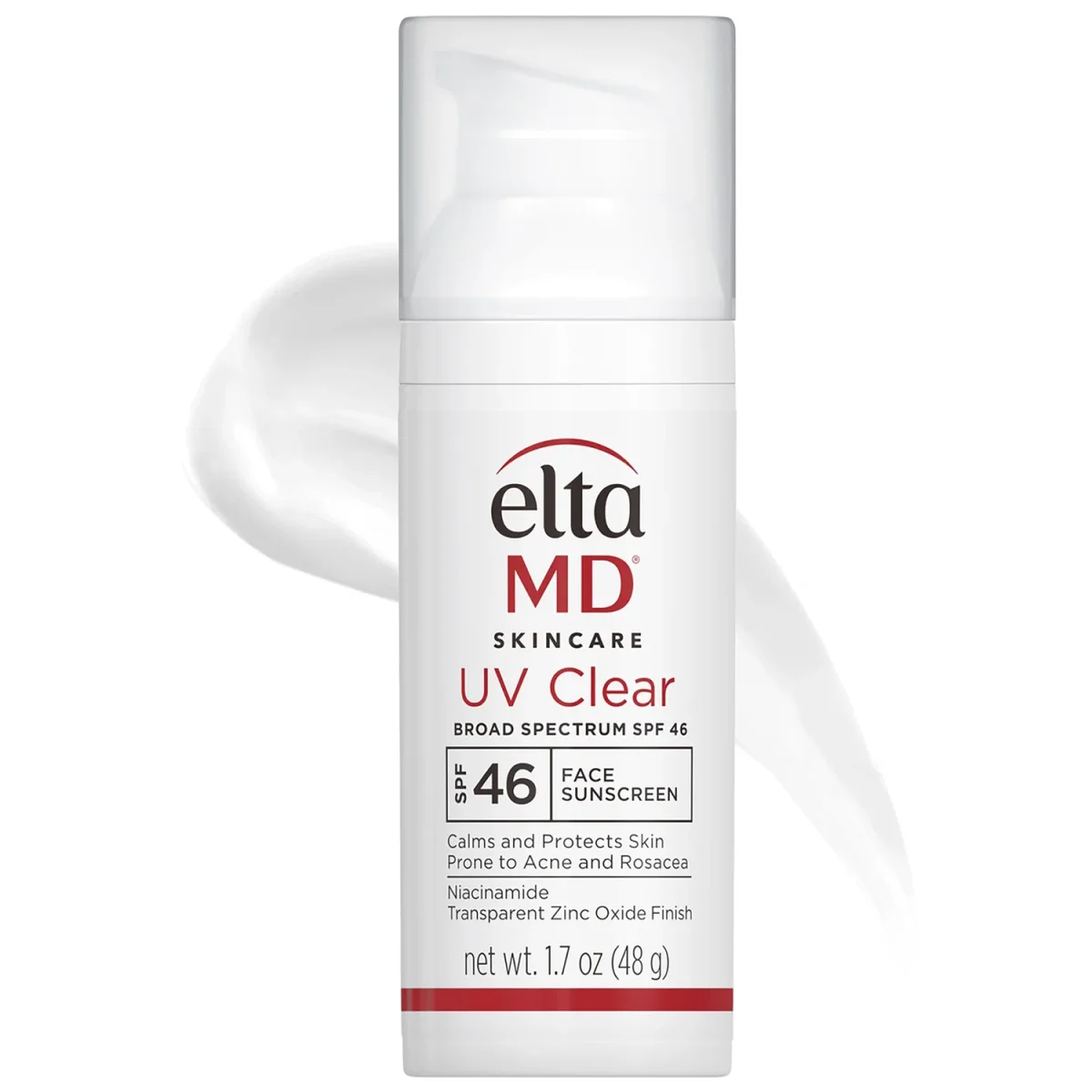
If you're starting from zero, build around CeraVe Hydrating Facial Cleanser, The Ordinary Niacinamide 10% + Zinc 1%, and EltaMD UV Clear SPF 46 - cleanser, one active, SPF. That's it. Three steps, under fifteen minutes a day combined, and your skin will look measurably better in six weeks. Everything else is optional.
VIBE GUIDE
Mewing, Hardmaxxing, and Other Lies the Internet Sold You: The Softmaxx Products That Actually Work
The EltaMD UV Clear SPF 46 is the single most impactful softmaxx product you can buy. Daily SPF is the only anti-ageing intervention with consistent clinical backing, and this one adds 5% niacinamide, leaves no white cast, and costs less per year than one round of whatever treatment the TikTok algorithm is currently selling you.
DUPE GUIDE
CeraVe vs La Roche-Posay 2026: The Drugstore Wars, Decided
If you can only buy one brand, go CeraVe for the cleanser and PM moisturiser, and La Roche-Posay's Anthelios UVMune 400 for SPF - or EltaMD UV Clear if you're in the US and can't import. Splitting the two brands by category beats going all-in on either, and your skin won't care about your brand loyalty.