
VIBE GUIDE
Beard Oil Is Mostly Cope (and Other Things Looksmaxxing TikTok Won't Tell You)
The softmaxx truths that actually move the needle, ranked by evidence
Last updated: August 25, 2026
Quick Answer
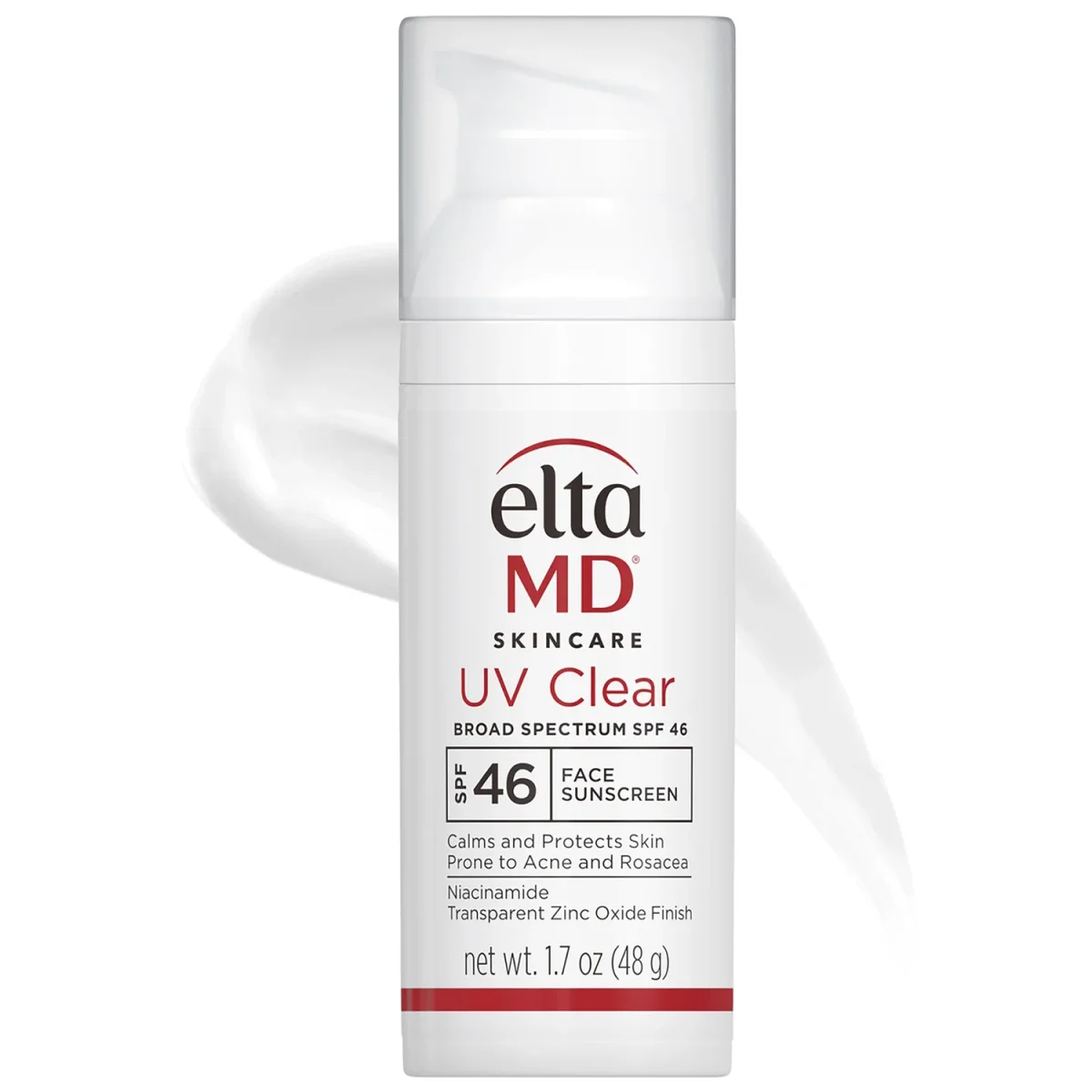
If you're only going to fix one thing, make it SPF. EltaMD UV Clear SPF 46 is the sunscreen dermatologists actually use on themselves - matte, niacinamide-spiked, and invisible enough that you'll run out of excuses not to wear it daily. Everything else in this guide is worth doing, but nothing moves the needle on long-term skin quality like consistent sun protection.
Here is the looksmaxxing content pipeline in full: teenage boy discovers PSL forums, learns about mewing, spends three months pushing his tongue against the roof of his mouth, sees no jaw definition, pivots to beard oil, buys four dropper bottles, still looks the same. Somewhere in there he watched forty-seven YouTube videos about cold plunges, bought a gua sha stone he used twice, and is now considering a chin filler consultation at 22. This is not softmaxxing. This is optimisation theatre, and there's an enormous industry getting very rich off it.
The actual data - not the TikTok data, the peer-reviewed kind - suggests that male appearance is moved by roughly four or five genuinely unglamorous interventions: consistent sun protection, a functional skincare barrier, a shave that doesn't cause inflammation, teeth that aren't doing structural damage to your face, and sleep. That's it. Most of the rest is cope dressed up in dropper bottles and branded apothecary jars. I say this as someone who has tried most of it.
This guide is the corrective. We're going through the looksmaxxing mythology piece by piece - what's cope, what actually works, and what the gap between them costs you in money and time. The products I'm recommending are mostly cheap, mostly boring, and genuinely effective. One of them is expensive and I'll defend it. And yes, we will talk about beard oil. We're going to be honest about beard oil.
Featured Products
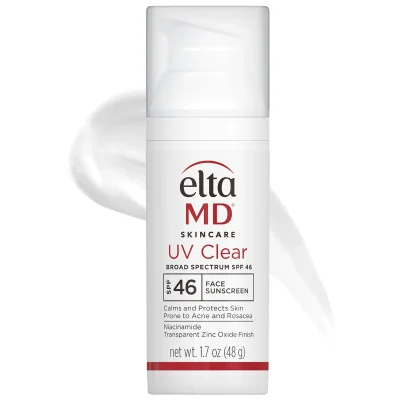
The best daily SPF for oily and acne-prone skin on the market. The niacinamide is at a meaningful 5% concentration, not a token amount, the matte finish is actually wearable, and the white cast is minimal enough for darker skin tones. If photoageing is the primary driver of how old you look - and the evidence says it is - this is the most important product in the routine.
SPF is the single highest-impact anti-ageing intervention in male skincare, and this is the formulation most likely to actually get worn every day.
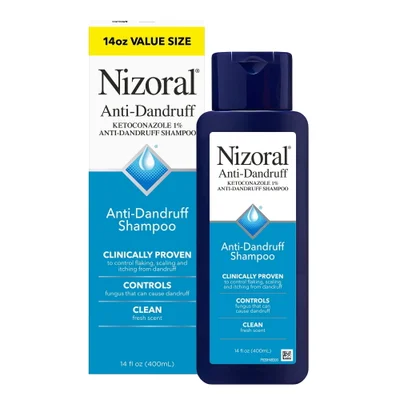
The only dandruff shampoo worth buying if standard anti-dandruff options haven't worked. It targets the actual cause rather than the symptoms, shows results within 2-4 weeks, and costs almost nothing per use. The hair density data is interesting but treat it as a bonus, not a reason to buy.
Dandruff is a visible grooming problem with a specific, evidence-backed solution that most men in the dandruff aisle walk straight past.
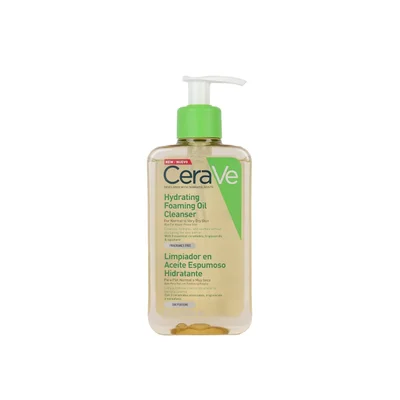
The most boring product in this guide and the foundation everything else depends on. A non-stripping cleanser keeps your skin barrier intact so actives can work as intended. At roughly $1.30 per month of use, the value is absurd.
Barrier-safe cleansing is the infrastructure that makes every other product in the routine perform correctly.
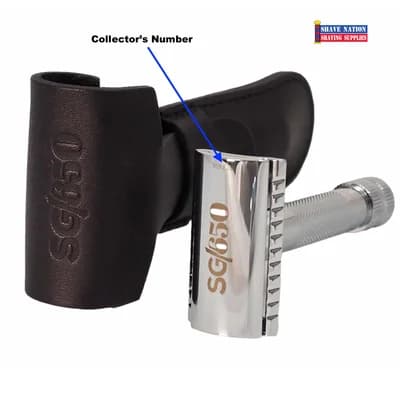
The direct correction to Gillette's lock-in pricing model, with the added benefit that single-blade shaving genuinely reduces razor bumps and ingrown hairs versus multi-blade cartridges. There's a learning curve and the handle is slightly short for larger hands, but the cost and skin quality argument is settled.
Cartridge razors are an ongoing financial and dermatological problem. The Merkur 34C solves both.
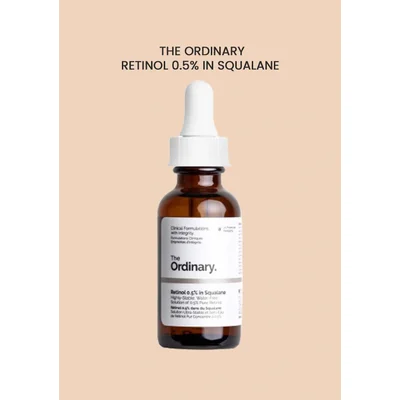
The same active concentration as an $105 SkinCeuticals product for under $7, with measurable skin turnover results at 8-12 weeks. The purge period is real and the formula needs careful storage, but the value argument is essentially unanswerable. Not for retinol beginners - start at 0.2% first.
Retinol is the most evidence-backed topical anti-ageing ingredient available, and this formulation demolishes the premium pricing of the category.
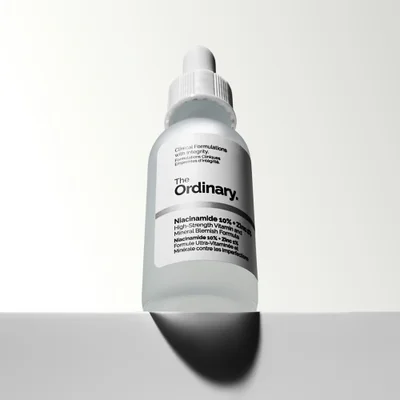
Clinical-ceiling niacinamide at 10% for under $7, undercutting the Paula's Choice equivalent by $60 per bottle for what is functionally the same active. Visible improvement in oiliness and pore appearance by weeks 4-6 with consistent use. Does one job, does it well, needs a moisturiser on top.
Oily skin and enlarged pores are the two complaints this formulation addresses with legitimate clinical support, at a price that removes every excuse.
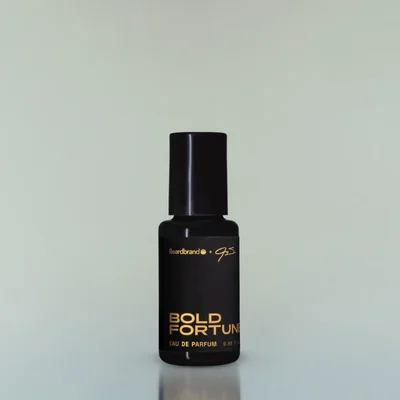
The one beard oil that earns its place - but only for men with a real beard dealing with dryness or beardruff. The dual-use formula is genuinely functional, the scent quality is above category average, and the jojoba base absorbs cleanly. At $30 for 1oz you're paying a brand premium, and if you don't have the specific problem it solves, skip it entirely.
Beard oil as a category is mostly cope, but the underlying problem it addresses for longer beard wearers is real - and this is the formulation that most honestly solves it.
The Brief: What TikTok Sold You vs. What Actually Works
Looksmaxxing as a concept isn't stupid. The idea that you can meaningfully improve how you present through targeted, consistent effort is just... true. The execution, as delivered by TikTok's algorithm, is where it falls apart entirely.
The platform has an incentive structure that rewards novelty and aspiration over efficacy. A video explaining that retinol takes 12 weeks to show measurable results gets 4,000 views. A video claiming a $4 ice roller will restructure your facial fat pads gets 2.4 million. And so a generation of men who genuinely want to look better end up cycling through gua sha routines, collagen powders, alkaline water protocols, and jade rollers - none of which do anything remotely meaningful for facial appearance - while ignoring the SPF, the retinol, the razor technique, and the electric toothbrush that would actually work.
The other problem is the hardmaxx pipeline. When the optimisation theatre doesn't deliver (it won't), TikTok serves you the next tier: bone-smashing, mewing as jaw restructuring, filler at 20, surgery consultations framed as 'doing the research.' At this point we've left softmaxxing and entered something I won't dignify with recommendations. The jaw is fine. Fix your skin first.
What follows is the honest version of this conversation.
---
Cope Tier: The Looksmaxxing Products That Are Mostly Noise
Before we get to what works, a quick tour of what doesn't - because you've probably bought some of it.
Gua sha and facial rollers. There's no peer-reviewed evidence that facial rolling produces meaningful structural changes to fat distribution or bone. Temporary lymphatic drainage from massage is real. Lasting 'sculpting' is not. The before/after videos rely on lighting changes, hydration differences, and the fact that human faces look subtly different at different times of day. Save the $50.
Collagen powders and supplements. Orally ingested collagen is digested into amino acids before it reaches your skin. Your body then decides what to do with those amino acids, which is not necessarily 'build facial collagen.' A protein-rich diet and consistent retinol use will do more for skin structure than any collagen supplement at any price point.
Most beard oils. Here's the uncomfortable truth about beard oil as a category: for most beard lengths and skin types, the functional benefit is minimal. Your beard hair doesn't need conditioning the way your scalp hair does. The underlying facial skin benefits more from your regular moisturiser than from beard oil applied on top of hair. The category exists primarily because dropper bottles look premium and smell good and the margins are excellent. I'll recommend one beard oil in this guide, for specific reasons, but the category as a whole is mostly vibes.
Eye creams under 30. The skin around your eyes is thinner than the rest of your face and benefits from gentle, hydrating formulas. But the active ingredients that improve it - retinol, niacinamide, peptides - are the same ones in your regular skincare. A separate eye cream at three times the price per millilitre is almost always a packaging premium, not an active premium.
---
The Unglamorous Foundations (That Move the Needle More Than Anything Else)
Before any product recommendation lands, the foundation has to be in place. These aren't products - they're the boring infrastructure that makes products work.
Sleep. Cortisol degrades collagen. Chronic sleep deprivation is visible on skin in ways that no topical product fully corrects. Seven to nine hours isn't wellness content, it's the actual mechanism. Sort this first.
Water and diet. Skin barrier function is materially affected by hydration status and omega-3 intake. Dull, rough skin that isn't responding to moisturiser is often a diet signal, not a product signal.
Consistency over cycling. The single biggest mistake in men's skincare is rotating through products before any of them have time to work. Retinol takes 8-12 weeks. Niacinamide takes 4-6. You can't evaluate a product you used for three weeks. Pick a stack and stay with it.
Okay. Products.
---
SPF Is the Only Anti-Ageing Product You Actually Need - EltaMD UV Clear SPF 46
Best for: Daily use, particularly for oily or acne-prone skin. This is the one for men who've tried SPF and hated the white cast, the grease, or the breakout it caused.
What it actually does: Photoageing - UV-induced collagen breakdown, hyperpigmentation, fine lines - accounts for roughly 80% of visible facial ageing. Not stress, not diet, not sleep deprivation. UV exposure. Which means SPF isn't a vanity product or a skincare-optional add-on. It's the primary intervention. Everything else - retinol, niacinamide, the lot - is secondary to whether you're doing structural damage to your skin between 8am and 6pm every day.
EltaMD UV Clear is a mineral SPF using 9% zinc oxide, spiked with 5% niacinamide. The niacinamide addresses sebum regulation and redness while you're getting the UV protection, which means this is functionally doing two jobs. The finish is matte enough to skip a primer. The white cast is minimal enough to be wearable on darker skin tones, which cannot be said for most zinc-based SPFs. It's fragrance-free, oil-free, non-comedogenic. For acne-prone skin specifically, it's the closest thing to a universally safe daily SPF.
Performance: The niacinamide at 5% is at a meaningful concentration - not a token amount - and visible sebum and redness reduction is typically noticeable at the 4-6 week mark with consistent use. The 48ml tube runs out faster than you expect if you're applying correctly (a quarter teaspoon for the face, not the performative smear most men use). If you have dry skin rather than oily or combination, the matte finish can read as slightly flat - La Roche-Posay or CeraVe's SPF moisturiser may suit you better. The UVA depth is marginally behind newer-generation filters like Mexoryl 400 in European formulations, which is worth knowing if you're regularly in genuinely high-UV environments.
Price: Mid-range at roughly $35-40 for 48ml in the UK. More expensive than drugstore SPF. Cheaper than letting a dermatologist treat the photoageing you accumulate by skipping it.
Verdict: The best daily SPF for oily and acne-prone skin in its category. Not the cheapest, not the highest UVA spec available, but the one that actually gets worn because it doesn't feel horrible. A product that gets used beats a better product that sits in a drawer.
> Mariana's Take: I cannot tell you how many men I've met who look noticeably older than they are specifically because of sun damage - the uneven tone, the rough texture, the creasing that's set in years early. SPF is the intervention that reads in a room before anything else does. Wear it daily and stop explaining why you don't.
---
The $15 Antifungal That Outperforms the Dandruff Aisle - Nizoral A-D Anti-Dandruff Shampoo
Best for: Any man with persistent dandruff that hasn't responded to standard anti-dandruff shampoos, or anyone with visible flaking on the hairline or brows. Also - and I'll come back to this - potentially relevant for men tracking hair density.
What it actually does: Most dandruff shampoos treat symptoms. Nizoral treats the cause. Persistent dandruff in most men is driven by Malassezia yeast overgrowth on the scalp - and 1% ketoconazole, the active in Nizoral, is an antifungal that directly targets Malassezia. Zinc pyrithione (Head and Shoulders) reduces fungal load indirectly. Coal tar shampoos slow skin cell turnover. Nizoral goes after the mechanism. That's why men who've cycled through the dandruff aisle without results often find Nizoral clears the issue in 2-4 weeks of twice-weekly use.
The hair density angle is worth a mention, though a careful one. A 1998 study found ketoconazole shampoo produced comparable hair shaft diameter improvement to low-dose minoxidil in men with androgenic alopecia. This is plausible as a mechanism - scalp inflammation plays a role in follicle miniaturisation, and reducing fungal-driven inflammation could support hair health. But it's one study, it's from 1998, and I'm not going to tell you this is a hair loss treatment. It's a dandruff shampoo that might also be doing something useful for your scalp environment. File that accordingly.
Performance: Twice weekly on a damp scalp, left on for 3-5 minutes before rinsing. Visible flake reduction within 2-4 weeks for most. The formula is a thin clinical gel with essentially no lather and no sensory premium whatsoever - this is purely functional. The 1% OTC concentration is weaker than the 2% prescription formulation for severe seborrheic dermatitis; if twice-weekly Nizoral isn't resolving things after 6 weeks, talk to a GP rather than just using more.
Price: Around $14-18 for 200ml, used twice a week. The cost per use is genuinely exceptional. A bottle lasts months.
Verdict: If you have dandruff, this is the one. If you don't have dandruff, you don't need it. The hair density data is interesting but not strong enough to drive a purchase decision on its own. But at $15, if you have flaking and nothing else has worked, this is the first thing to try.
---
$7 of Retinol That Matches SkinCeuticals at 6% of the Price - The Ordinary Retinol 0.5% in Squalane
Best for: Men 28 and over who want measurable improvement in skin texture, fine lines, and general skin quality, and aren't new to retinoids. Not for retinol beginners.
What it actually does: Retinol is the most evidence-backed topical ingredient for skin turnover and anti-ageing. It accelerates cell renewal, stimulates collagen production, and improves texture and pigmentation over time. It's not glamorous, it doesn't work fast, and the first few weeks can make your skin look worse before it looks better. That's the deal. The evidence for it is genuinely robust in a way that most skincare actives aren't.
The Ordinary's 0.5% formulation in a squalane base delivers the same active concentration as SkinCeuticals Retinol 0.5, which retails at around $105-115. The Ordinary costs under $7. The active percentage is identical. The delivery system differs - SkinCeuticals uses an encapsulated system that's more stable and theoretically better absorbed, which matters. But for most people, on most skin, the functional outcomes at 8-12 weeks are comparable. Paying fourteen times more for a marginal delivery advantage is a you-can-afford-it decision, not a better-skincare decision.
The squalane base is genuinely useful - it's non-comedogenic, non-stripping, and more skin-friendly than alcohol-based retinol suspensions that can dry things out during the adjustment period.
Performance: Three applications per week, at night only, on dry skin after cleansing. Measurable texture improvement by 8-12 weeks. The purge period - weeks 2-4, when increased cell turnover can temporarily surface congestion or produce breakouts - is real. Don't stop during the purge. The formula is vulnerable to oxidation because it lacks encapsulation, so store it somewhere cool and dark and use it within six months of opening.
If you've never used retinoids before: start at 0.2% or use a retinyl palmitate product first. The 0.5% will wreck your barrier if your skin isn't adjusted.
Price: Under $7 for 30ml, lasting 4-5 months at three applications per week. The cost argument is essentially unanswerable.
Verdict: The best softmaxx purchase in this guide, pound for pound. The evidence base for retinol is real, the price is absurd relative to category competitors, and the results at 12 weeks are visible in a way that most grooming products simply aren't. If you do nothing else from this guide, do SPF and this.
---
The Cleanser That Does Its Job and Shuts Up About It - CeraVe Hydrating Facial Cleanser
Best for: Essentially everyone. Particularly useful for men who've been washing their face with shower gel, bar soap, or nothing, and whose skin barrier is paying the price.
What it actually does: A facial cleanser has one job: remove debris and excess sebum without stripping the skin's moisture barrier. The barrier is the foundation everything else builds on. Use an aggressive cleanser and your moisturiser is compensating for damage rather than adding value. Use a retinol on a compromised barrier and you're asking for irritation.
CeraVe's Hydrating Facial Cleanser does exactly this - it cleans, it doesn't strip, and it leaves the skin's ceramide structure intact so that everything applied afterwards (the retinol, the SPF, the niacinamide) works as intended. The formula is fragrance-free, dermatologist-tested, and genuinely consistent across batches. There's no foam, which will feel psychologically wrong if you've been conditioned to equate foam with 'actually clean.' You're not actually cleaner after foam. You're just tighter-feeling, which is your skin telling you its barrier is compromised.
Performance: Morning and evening. 30 seconds. It doesn't exfoliate, it doesn't treat acne, it doesn't address pigmentation. It cleans. That's the whole brief, and it executes the whole brief.
Price: Around $13-17 for a 473ml pump bottle in the UK - one of the best per-wash costs in facial cleansing. It's not pretty on a shelf. The pump bottle is functional and aesthetically drab. I do not care.
Verdict: The least exciting product in this guide and one of the most important. Your whole active routine performs better when it's sitting on an intact skin barrier. Start here.
---
The Razor That Makes Gillette's Pricing Look Like What It Is - Merkur 34C Safety Razor
Best for: Men spending more than $20 every 8 weeks on cartridge razor heads, men with persistent razor bumps or ingrown hairs, and anyone who's quietly aware that paying $50 for six Fusion5 heads is a structural problem in their life.
What it actually does: Gillette's cartridge business model is a genuine masterpiece of consumer lock-in that I'd respect more if I weren't the consumer being locked in. The Merkur 34C is the most common entry point out of it.
Double-edged safety razors deliver a single-blade shave. A single blade cuts the hair at the skin surface. Multi-blade cartridges cut below the skin surface using a 'hysteresis' mechanism - they pull the hair out slightly before cutting it, which gives a closer shave but dramatically increases ingrown hair and razor bump frequency. For men with curly facial hair particularly, multi-blade razors are functionally causing the razor bumps, not just failing to prevent them.
The Merkur 34C is 79g, chrome zinc alloy, with a closed-comb head that's forgiving enough for beginners while still delivering a genuinely close result. The blade habit costs roughly $8-16 per year using Derby or Feather blades at around $0.13 each. The Gillette Fusion5 equivalent habit costs $60 or more, for a mechanism that is - I'll say it - worse for your skin.
Performance: There's a learning curve of 2-4 weeks while you unlearn the cartridge habit of pressing the razor into your face. You will nick yourself. This is not the razor's fault - it's the adjustment period. The 84mm handle is slightly short; men with larger hands may prefer the grip of a longer-handled alternative. The Merkur isn't adjustable, so if your beard grows fast and in inconsistent directions, there are options with more dial-in. But for straightforward daily shaving, the 34C is the benchmark.
Price: Around $38-45 for the razor itself, which is the only significant purchase. Blades are effectively free by comparison. Total cost of ownership over two years is comfortably under $80. The equivalent in Fusion5 heads over two years is north of $130, for a demonstrably worse result on skin quality.
Verdict: The clearest financial grift in men's grooming is the cartridge razor industry, and the Merkur 34C is the most direct correction. The skin quality improvement for men with razor bumps is material and visible. The cost argument is unanswerable. The learning curve is real but short.
> Mariana's Take: Razor bumps and ingrown hairs around the jaw and neck read as bad skin from a distance. Men consistently underestimate how much this affects their overall impression. Fixing the shave method is underrated as a legibility upgrade.
---
The Niacinamide That Works Without a Story - The Ordinary Niacinamide 10% + Zinc 1%
Best for: Oily or combination skin with enlarged pores, uneven tone, or excess sebum production. Particularly useful in the morning routine before SPF.
What it actually does: Niacinamide at 10% is at the clinical ceiling for sebum regulation and pore-size reduction. Peer-reviewed evidence supports visible improvement in oiliness and pore appearance with consistent use, typically measurable at weeks 4-6. The Ordinary's formulation adds 1% zinc, which has its own mild sebum-regulating and anti-inflammatory properties.
The Paula's Choice 10% Niacinamide Booster does the same thing at the same concentration and costs around $70 for 20ml. The Ordinary's 30ml costs under $7. The price differential is entirely branding and packaging. I've looked carefully at whether there's a functional difference worth $60 and I cannot find one.
Performance: Morning, on cleansed skin, before moisturiser and SPF. The watery texture needs a full 60 seconds to absorb before layering - rush this step and it pills under the next product. It has no hydrating co-ingredients, so it needs a moisturiser on top. At 10% concentration, people new to actives occasionally experience temporary flushing in the first week or two. Start every other day if you're sensitive.
Price: Under $7 for 30ml. There's genuinely nothing to argue about at this price point.
Verdict: If you have oily skin, this goes in the morning routine. It does one job, it does it well, it costs nothing, and the clinical evidence at 10% is solid. Pore size is largely genetic and no product will fundamentally restructure them - but this is as close as topical skincare gets.
---
Fine, Beard Oil - But Only One, and Only This One - Beardbrand Utility Oil
Best for: Men with beards of at least medium length (2-3 weeks growth minimum) dealing with dryness, itchiness, or beardruff - flaking skin under the beard. Not for men with short stubble seeking a 'sculpted jawline' effect, because that's not what this does.
What it actually does: I said earlier that beard oil as a category is mostly cope, and I stand by that. Here's the more precise version: beard oil is a solution to a real but specific problem. If you have a beard long enough to be sitting against your skin all day, it can cause dryness and irritation to the underlying skin. A light facial oil addresses this. The beard hair itself doesn't need the conditioning in the way scalp hair does - it doesn't have the same follicle structure. What the oil is actually doing, in most cases, is moisturising the skin underneath.
Beardbrand Utility Oil earns its place here because it's genuinely dual-use in a way most beard oils aren't - the jojoba-forward formula is stable and lightweight enough to function as a mild facial moisturiser as well as a beard conditioner. It absorbs without greasy residue by mid-morning, which is the primary failure mode of cheaper beard oils. The scent quality is legitimately above category average - Beardbrand's fragrance work is good and it shows.
Performance: 2-4 drops in the palm, worked through the beard and onto the underlying skin, once daily after washing. A 1oz bottle lasts 4-6 weeks at this application rate. The bottle feels small for the price.
Price: $28-32 for 1oz. You're paying a brand premium over functionally similar independent alternatives - I won't pretend otherwise. It does nothing for skin texture, pigmentation, or ageing. It's not a substitute for your regular skincare. It's a beard conditioner that's better than most and honest about what it is.
Verdict: 74/100, and the score is honest. If you have a beard and you're dealing with dryness or beardruff, this is the one I'd reach for. If you don't have those problems, skip it entirely. The category mythology around beard oil - that it 'defines' or 'structures' facial hair, that it will improve your jawline presentation, that it's an essential grooming step - is the cope part. The conditioning function, for the right person, is real.
---
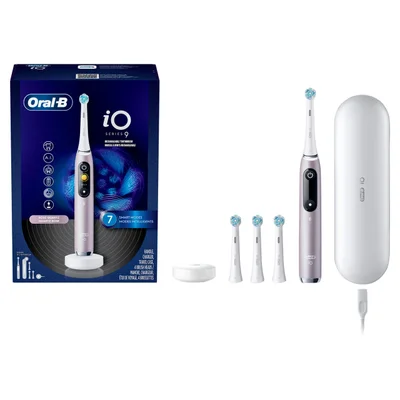
The One Expensive Thing That's Worth It - Oral-B iO Series 9
Best for: Everyone. Particularly anyone who has told themselves a manual toothbrush is fine for the past decade and whose gums have been quietly retreating to register the disagreement.
What it actually does: Teeth and gum health are visible. Gum recession, yellowing, uneven gum lines - these are facial appearance signals that people register without knowing they're registering them. An Oral-B iO Series 9 won't whiten your teeth (that requires peroxide or a hygienist). It will dramatically improve plaque removal and gum health, with clinical data supporting 100% more plaque removal versus manual brushing. The oscillating-rotating mechanism is one of the better-evidenced technologies in the electric toothbrush category for gumline work.
The practical feature that earns the premium over cheaper models is the real-time pressure sensor. Most people brush too hard - it's the primary cause of gum recession and enamel wear in otherwise healthy mouths. The iO's colour-feedback system (green for correct pressure, red for too hard) actively corrects this habit in real time. After 2-3 weeks most people have internalised the right pressure and stop needing it. But the correction happens, which doesn't happen with a manual brush or a cheaper electric.
The honest caveat: The iO Series 4 at around $90 uses the same core technology. The Series 9's AI coaching display, seven cleaning modes, and premium charging dock are largely premium aesthetics. If you're price-sensitive, the Series 4 delivers the core clinical benefit. The Series 9 is for people who want the full experience and will find the accountability features actually useful - or who will buy the more expensive thing and therefore actually use it consistently, which is worth something.
Price: $150-220 depending on retailer. Replacement heads at $13-20 per quarter add ongoing cost that Oral-B doesn't lead with. This is the one product in this guide where I'm recommending something premium with full awareness that a cheaper alternative exists. The data for the underlying technology is strong enough that I think it belongs in the routine.
Verdict: The most defensible expensive thing in male grooming. Dental health is both a genuine health matter and a facial appearance matter, the evidence for the technology is solid, and the specific feature that makes the Series 9 worth the premium over basic electric toothbrushes - the pressure correction - is genuinely behaviour-changing. The seven cleaning modes are marketing. The brushing is real.
---
Mariana's Verdict: What Actually Reads in a Room
> Mariana's Take: The things that register from across a room, in order of actual impact: skin clarity and tone, dental health and smile quality, the tidiness and smell of your hair, whether your shave looks intentional or accidental. None of those require bone-smashing or a complicated ten-step routine. They require SPF, a decent razor, Nizoral if you need it, and an electric toothbrush. The men who've figured this out read as more put-together than men spending three times as much on the wrong things. It's not complicated, it's just boring - and boring is where the results actually live.
---
The Softmaxx Stack: What to Buy, in What Order, and What to Skip
The Order of Operations
If you're building from nothing, here's the sequence that makes sense.
Month 1: Foundation
CeraVe Hydrating Facial Cleanser (morning and evening) + EltaMD UV Clear SPF 46 (morning). That's it. Two steps. Establish the habit before adding actives. Your barrier needs to be intact before you start applying things that stress it.
If you have dandruff: add Nizoral twice weekly from week one. It's not a skincare active, it's a medical shampoo - no interaction considerations.
Month 2: Add the First Active
The Ordinary Niacinamide 10% + Zinc 1%, morning, before SPF. If you have oily skin this makes a visible difference by week 4-6. If you have dry skin and no significant oiliness, this step is optional.
Month 3: Add Retinol
The Ordinary Retinol 0.5% in Squalane, three nights per week, after cleansing. If you've never used retinoids before, start with two nights per week and build up. Expect a purge period. Stay the course.
The Razor: Switch to the Merkur 34C at whatever point you're ready - this isn't sequence-dependent. If you have razor bumps, honestly, do this first.
The Toothbrush: Oral-B iO Series 9 whenever budget allows. There's no wrong time to start.
The Beard Oil: Only if you have a beard and the specific problems it addresses. Otherwise genuinely skip it.
The Skip List
- Gua sha and facial rollers
- Collagen supplements and powders
- Vitamin C serums in your first year of building a routine (unstable, requires proper storage, competes with other actives - not the priority)
- Eye creams before 35 (your niacinamide and retinol are already working that area)
- Any product promising structural facial changes without active pharmaceutical ingredients
- Beard oil if you don't have a beard, or have only short stubble
Total Monthly Cost, Honestly Calculated
- CeraVe Hydrating Facial Cleanser: roughly $1.30/month
- EltaMD UV Clear SPF 46: roughly $10-13/month
- Nizoral: roughly $2/month (twice weekly use)
- The Ordinary Niacinamide: under $1.30/month
- The Ordinary Retinol 0.5%: roughly $1.60/month (three nights per week)
- Merkur 34C blades: roughly $0.65/month
- Beardbrand Utility Oil (if applicable): roughly $8-9/month
Monthly ongoing cost for the full stack (excluding the one-time razor and toothbrush purchases): under $26. The Oral-B iO Series 9 amortised over three years with quarterly head replacements comes to around $15/month.
You're running a clinically supported, dermatologist-grade grooming routine for under $40 a month. The looksmaxxing industry would very much like you not to know this.
Tips
- 1.Build the routine in sequence, not all at once - start with cleanser and SPF for a full month before adding any actives. Your barrier needs to be stable before retinol or niacinamide go on top of it.
- 2.Apply the correct amount of SPF - roughly a quarter teaspoon for the face - and build up to it gradually if you're not used to it. Most men apply a fraction of the effective dose and then wonder why it's not working.
- 3.Store The Ordinary Retinol 0.5% in a cool, dark place and use it within six months of opening. The lack of an encapsulated delivery system makes it vulnerable to oxidation, which degrades the active before it reaches your skin.
- 4.When switching to the Merkur 34C, use zero pressure for the first two weeks. The razor does the cutting. Your cartridge-razor habit of pressing down is the thing that causes nicks - unlearning that is the entire learning curve.
- 5.Give each new product a minimum of six weeks before you evaluate it. The most common mistake in skincare is cycling through products before any of them have time to produce measurable results.
The Bottom Line
The gap between what looksmaxxing TikTok sells you and what the data actually supports is, genuinely, enormous - and the annoying part is that what the data supports costs almost nothing and takes about four minutes a day. SPF in the morning, cleanser and retinol at night, Nizoral twice a week if you need it, a safety razor, and an electric toothbrush. Under $40 a month in ongoing costs for a routine with real clinical backing. The beard oil is optional and you know where I stand on it. Everything else is either cope or surgery, and neither of those is the brief here.
Frequently Asked Questions
Is beard oil actually worth it or is it a waste of money?
Does gua sha actually change your face shape or is it fake?
Do collagen supplements actually improve skin?
What looksmaxxing products actually work according to evidence?
How long does retinol take to actually show results?
What is softmaxxing and is it actually useful?
Related Guides
HOW TO
How to Build a Men's Skincare Routine: The Three Steps That Actually Add a Point
If you're starting from zero, build around CeraVe Hydrating Facial Cleanser, The Ordinary Niacinamide 10% + Zinc 1%, and EltaMD UV Clear SPF 46 - cleanser, one active, SPF. That's it. Three steps, under fifteen minutes a day combined, and your skin will look measurably better in six weeks. Everything else is optional.
VIBE GUIDE
Mewing, Hardmaxxing, and Other Lies the Internet Sold You: The Softmaxx Products That Actually Work
The EltaMD UV Clear SPF 46 is the single most impactful softmaxx product you can buy. Daily SPF is the only anti-ageing intervention with consistent clinical backing, and this one adds 5% niacinamide, leaves no white cast, and costs less per year than one round of whatever treatment the TikTok algorithm is currently selling you.
DUPE GUIDE
The Ordinary Retinol 0.5% in Squalane: What It Actually Does, What to Pair It With, and What Not to Waste Your Money On
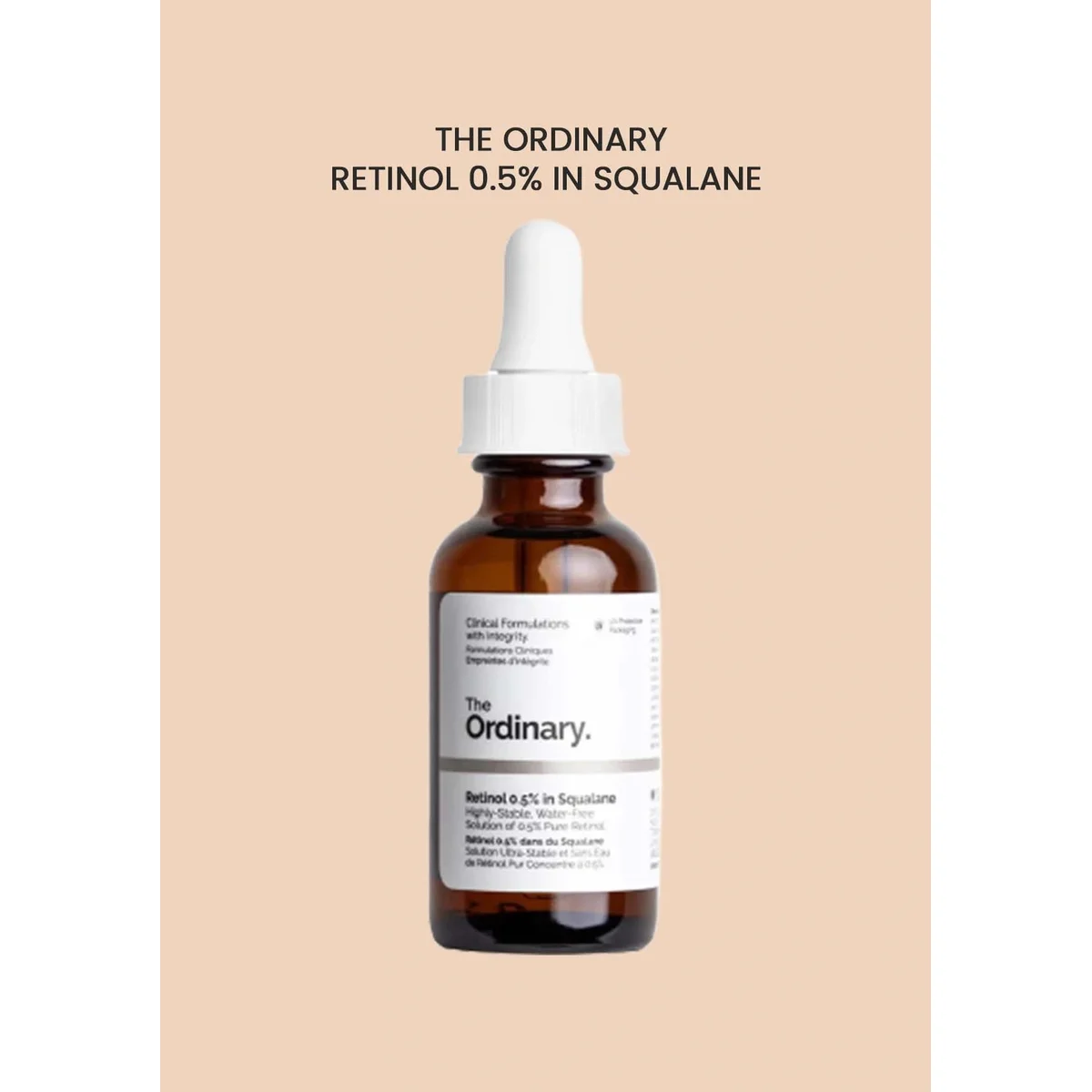
The Ordinary Retinol 0.5% in Squalane is already the budget answer to a $230 SkinCeuticals bottle - same active percentage, 6% of the price, and it works. The catch is that retinol without the right support routine is how you end up with a raw, peeling face and a grudge against actives. Pair it with the CeraVe Hydrating Facial Cleanser, La Roche-Posay Toleriane Double Repair Moisturiser, and EltaMD UV Clear SPF 46, and you've got a complete retinol routine for under $65 total.