
BEST OF
Best Men's Shaving Gear 2026: Razors, Creams, and the Aftershaves That Don't Burn
The definitive guide to shaving well without getting scammed doing it.
Last updated: August 25, 2026
Quick Answer
The Merkur 34C paired with Astra Superior Platinum blades is the best shaving setup for most men in 2026. The razor costs around $40 once and the blades run to roughly $0.03-0.05 each - after the learning curve (give it three weeks, not three shaves), the shave quality beats a Fusion5 cartridge and the annual cost is embarrassing by comparison. If you're not ready to commit to a safety razor, Harry's Truman is the honest cartridge option that at least doesn't pretend the pricing model is fair.
Most shaving guides are written by someone who's never held a safety razor in their life, or they're sponsored by the exact cartridge brand sitting at the top of the rankings with a score of 94 out of 100 and no explanation of how they got there. This one is neither. What follows is a ranked breakdown of what actually works - across every budget tier, from blades that cost two pence a shave to multi-blade systems that are at least honest about what they are - with a clear opinion on what's worth your money and what's cope dressed up as innovation.
Here's the uncomfortable truth about men's shaving in 2025: the cartridge industry has spent forty years convincing you that more blades equals a better shave, that canned foam is adequate, and that replacing a $4 plastic head every two weeks is just the price of entry. None of that is true. A safety razor from 1950 produces a closer, less irritating shave than most five-blade cartridges - and costs about $0.04 per blade rather than $4 per head. The skincare community figured this out a decade ago. The rest of men's media is catching up slowly, mostly because the advertising spend from Gillette and Schick makes that conversation complicated.
We've also included the cartridge and no-brush options, because not everyone has the time or inclination to learn a new shaving technique in their thirties. There's no shame in the Harry's Truman if it means you stop using a $5 disposable and some shower gel. The goal is a face that looks like you tried. The gear below - at every price point - gets you there.
Featured Products
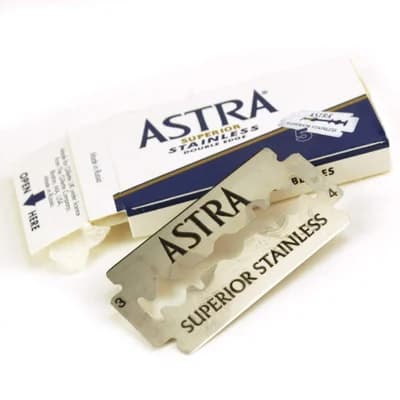
The blade that makes the safety razor economics argument actually land. Mid-spectrum sharpness suits most technique levels, the platinum coating reduces drag versus cheaper alternatives, and the Gillette manufacturing origin means the batch quality is consistent. At $0.03-0.05 per blade, the cartridge industry's pricing model simply doesn't survive contact with this product.
The recommended pairing for the Merkur 34C and the correct default blade for most DE users.
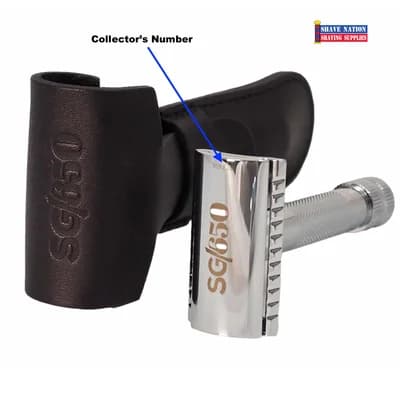
The correct answer for most men who are serious about the economics and quality of their shave. The learning curve is real - give it three weeks, not three shaves - but on the other side of it is a genuinely superior shave at a fraction of the annual cartridge cost. The 34C is the right starting point for almost everyone making the switch.
The benchmark safety razor recommendation at every price point - the closest thing to an obvious answer in this category.
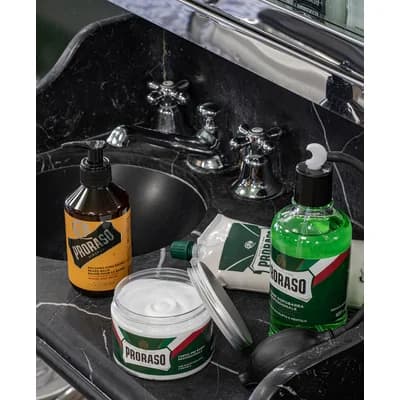
The best shave prep available at this price tier, and it's not close. The glycerin-rich lather provides genuine blade cushioning that canned foam can't replicate, the menthol cooling is real rather than theatrical, and the per-use cost is around $0.14. The only reasons not to use it are genuinely sensitive skin (the menthol will irritate) or an unwillingness to buy a brush.
The benchmark shave cream recommendation for brush users at any budget.
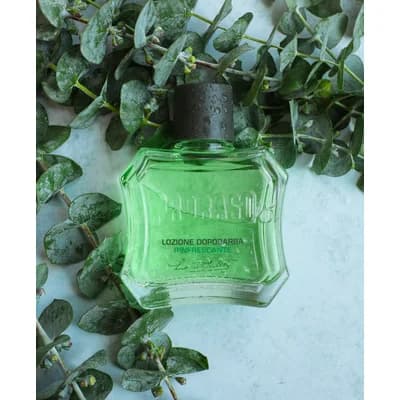
At $0.07-0.10 per use in the 400ml size, the Proraso aftershave is difficult to argue against on value alone. The menthol-eucalyptus cooling is effective, the scent fades within an hour which makes fragrance layering easy, and the formula hasn't changed because it doesn't need to. The alcohol content is a genuine concern for dry or sensitive skin - follow with a moisturiser if that applies to you.
The aftershave lotion recommendation for most men pairing with the Proraso shave cream setup.
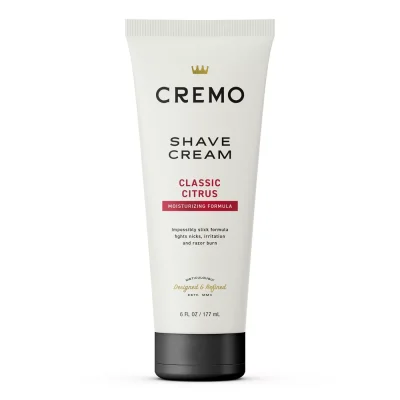
The correct no-brush shave cream recommendation - 'a little goes a long way' that's actually true rather than aspirational marketing. One tube lasts three to four months, it meaningfully reduces razor drag versus canned foam, and the technique requires no adjustment beyond using less product than feels intuitive. The post-shave feel is functional rather than luxurious, but that's what it is.
The best brushless shave prep option for men who want a real upgrade without changing their morning routine.
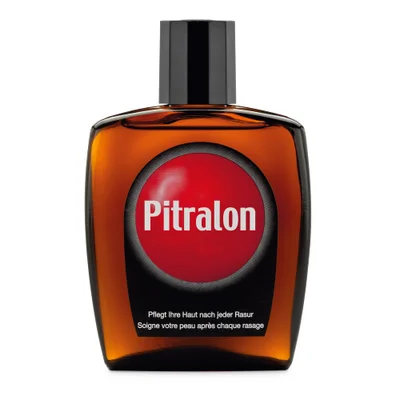
A 1929 Swiss formula that overperforms its price tier and has a distinctive pine-camphor-herbal scent profile that's genuinely different from anything in the generic aquatic aftershave market. The two to three hour scent window makes it easier to layer over than Clubman. The high alcohol content means it's not for sensitive or dry skin, and blind-buying based on 'distinctive' is a gamble.
The barbershop splash recommendation for men who want something with genuine character at an almost embarrassingly low price.
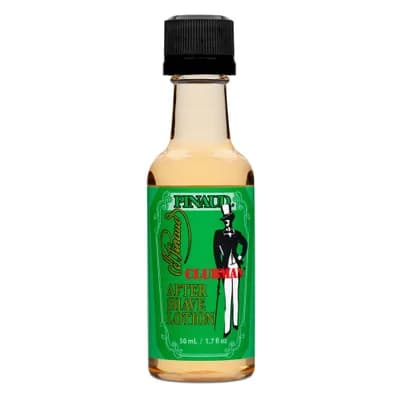
Over 200 years of production history and a cost-per-application that undercuts everything remotely comparable. The powdery violet-vetiver scent is loud, has real longevity, and is not for everyone - this is the aftershave equivalent of a strong opinion. The antiseptic action is genuine, the ritual is real, and the moisturisation is zero. Know what you're buying.
Included as the maximum-ritual, maximum-value alcohol splash for men who want the full barbershop experience.
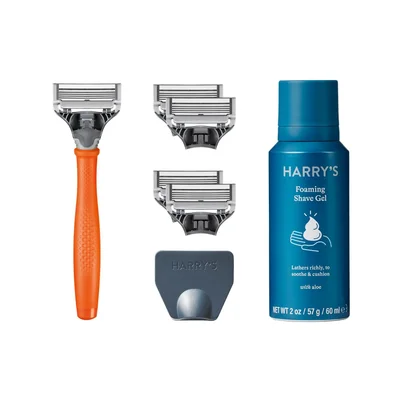
The honest cartridge recommendation for men not ready to switch to a safety razor. Roughly 50% cheaper per cartridge than Gillette Fusion equivalents with comparable shave quality, German-manufactured blades, and a handle solid enough to be a genuine one-time purchase. Not the best shave available, but a meaningful upgrade from disposables and overpriced Gillette heads.
The budget cartridge recommendation for men who want better than Gillette without the DE learning curve.
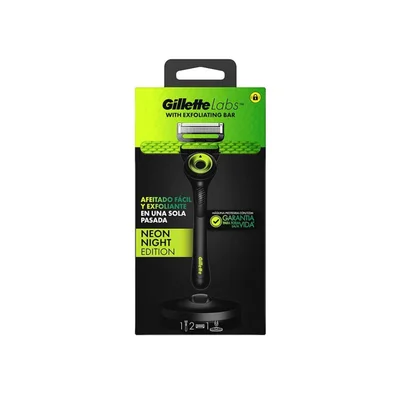
Specific-use-case product that genuinely works for its target problem - reducing post-shave redness on the neck and jawline in a single pass. The exfoliating warmth is mild rather than transformative, and the cartridge costs are the most expensive in this guide on a per-year basis. Worth considering if you have a specific irritation problem and want to solve it with minimum additional steps.
Included for men prone to post-shave neck and jawline redness who want a single-product solution.
Why Your Current Shaving Routine Is Almost Certainly Either a Cope or a Subscription Scam
Look, let's be honest about the state of play. If you're buying Gillette Fusion5 cartridges at $16-20 for a four-pack, you're spending somewhere in the region of $65-90 a year on blade costs alone - and that's before the canned foam, the aftershave balm with the suspiciously vague 'skin science' language on the packaging, and the handle you bought on promotion and can't now replace without a brand-specific subscription.
The safety razor and double-edge blade setup - the combination that dominated men's shaving from roughly 1900 until Gillette launched the Trac II in 1971 and gradually convinced men that single blades were primitive - costs about $8-16 a year in blades once you own the razor. The razor itself lasts essentially forever if you don't actively destroy it. That's the entire economics argument, and it's not subtle.
The alternative argument - that cartridge razors are more convenient, gentler on sensitive skin, faster in the morning - is partially true and worth taking seriously. Which is why we've ranked both. But go in knowing what you're paying for and what you're paying for the branding.
---
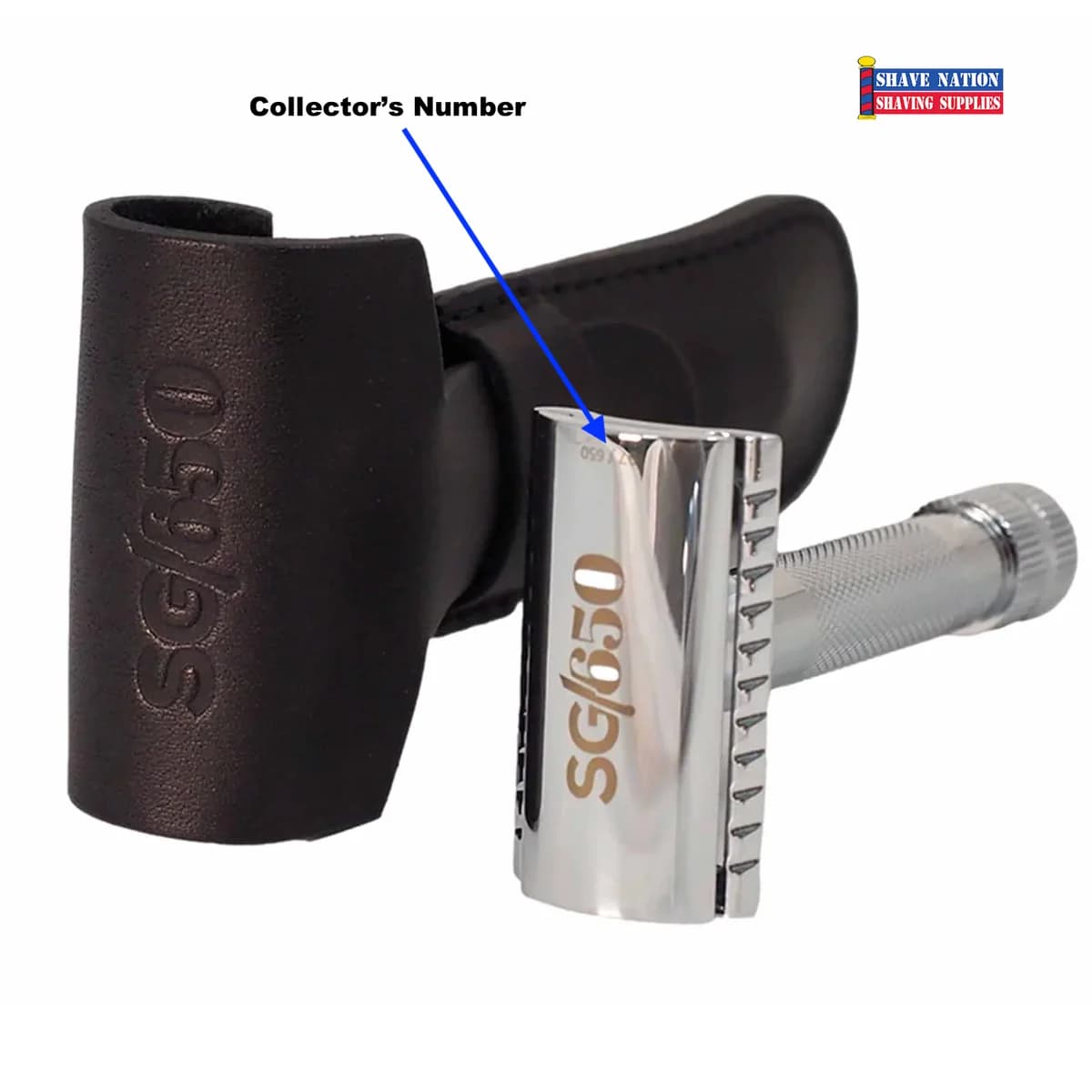
Best Overall Safety Razor: Merkur 34C
Best for: Men who are done with cartridge economics and want a single piece of kit that lasts indefinitely. Works for most face shapes and beard types. Particularly good for men prone to ingrown hairs and razor bumps from multi-blade shaving.
Family: Double-edge safety razor, closed comb, mild-to-moderate blade exposure.
The Merkur 34C is not the most exciting object in the world. It's an 84mm chrome-plated zinc alloy handle with a two-piece head design, a closed comb, and a weight of 79 grams - none of which sounds like it should cost $38-45 and justify the column inches it gets in every serious shaving forum on the internet. And yet.
The closed-comb head geometry is what makes this the right starting point for most men switching from cartridges. It's forgiving. The blade exposure is mild enough that technique errors in the first two or three weeks - and there will be technique errors, mostly around pressure - don't result in the kind of nicks that make you question your life choices at 7am. An open-comb razor (more aggressive blade exposure, faster cutting) rewards good technique and punishes bad technique. The 34C more or less meets you where you are.
Performance: The shave quality, once your technique is there, is genuinely superior to a cartridge razor on most face types. Single-blade geometry means less lateral pull on follicles, which is the mechanical reason DE users report fewer ingrown hairs. This isn't anecdotal - the dermatology literature on pseudofolliculitis barbae (razor bumps, essentially) consistently recommends single-blade razors over multi-blade alternatives. The blade angle - held at roughly 30 degrees to the face rather than the 90-degree cartridge default - takes getting used to, but three weeks is enough for most people to stop actively thinking about it.
The handle length (84mm) is the legitimate criticism here. Men with larger hands find it slightly short, and the Edwin Jagger DE89 - broadly comparable in price and shave quality - offers a longer handle if that's an issue. The 34C is also non-adjustable, which means if you have particularly coarse or fast-growing stubble, you may eventually want to look at adjustable options. But for most men, most of the time, the 34C is the correct answer.
Price: Around $38-45 one-time. Blades at $0.03-0.05 each. Annual running cost roughly $8-16. Compare that to $65-90 in cartridge costs and the maths resolves itself fairly quickly.
Pros: Lifetime cost versus cartridges is genuinely embarrassing. Closed-comb head is forgiving for beginners. 79g weight is solid and balanced. Reduces ingrown hairs and razor bumps compared to multi-blade alternatives. Durable enough to outlast essentially any plastic-handled cartridge razor.
Cons: 84mm handle is on the shorter side for larger hands. Two to four week learning curve with likely early nicks. Not adjustable - coarse or directionally inconsistent growth may eventually want more tailoring.
> Mariana's Take: "The first thing I notice when a man's face looks properly shaved - not just 'he ran a razor over it' - is the absence of texture. No bumps, no irritation patches, no slightly raw look around the jaw. DE razor users tend to have that. It's not coincidental."
---
Best Budget Blade: Astra Superior Platinum
Best for: Anyone who owns a double-edge safety razor and wants the best-value blade for everyday use. Particularly well-suited to intermediate users who find Feather blades too aggressive but want something sharper than Derby.
Family: Double-edge safety razor blade, platinum coated, mid-spectrum sharpness.
The Astra Superior Platinum is manufactured by Gillette's Russian facility - yes, that Gillette, the same company whose cartridge pricing is the entire reason the safety razor revival happened - and costs, depending on where you buy, between $0.03 and $0.05 per blade. A hundred-pack runs about $8-14. Each blade lasts three to five shaves, which means your annual blade spend is somewhere between $5 and $16 depending on how often you shave and how quickly you cycle blades.
The sharpness profile is the key selling point beyond price. Feather blades (Japanese, extremely sharp, unforgiving of poor technique) are the choice of experienced DE users who want the closest shave possible and don't mind the occasional nick if technique slips. Derby blades (Turkish, milder, more forgiving) are the recommendation for absolute beginners. Astra sits in between - sharper than Derby, smoother than Feather - which makes it the correct default for most people who've got past the early learning curve.
The platinum coating is real rather than marketing language. It reduces drag and extends blade life compared to uncoated alternatives, and the Gillette manufacturing origin means batch-to-batch consistency is better than the generic unbranded blades that flood Amazon at similar prices.
Performance: Three to five shaves per blade is the realistic figure. Some users push to seven, but the shave quality drop-off between shave five and shave seven is noticeable. Change the blade rather than fighting it - at $0.03 each, the economics support this decisively.
Price: $8-14 for 100 blades. The cost argument is essentially unanswerable.
Pros: Cost-per-shave makes cartridge razors look like a subscription scam. Mid-spectrum sharpness suits most technique levels. Platinum coating reduces drag and extends life. Gillette-quality manufacturing control.
Cons: Requires a DE safety razor - not a standalone purchase. Two to three week technique learning curve before you get the best from them. Three to five shave blade lifespan is shorter than premium alternatives like Gillette Silver Blue.
---
Best Shave Cream (With Brush): Proraso Green
Best for: Men willing to invest 60-90 extra seconds and a modest brush in exchange for the best shave prep available at this price point. Works with both safety razors and cartridge razors.
Family: Bowl or face lather, glycerin-based, eucalyptus and menthol.
Proraso has been making this cream in essentially the same formulation since 1948. The reason it hasn't changed is not nostalgia - it's that the formula works and there's been no compelling reason to update it. The eucalyptus-and-menthol profile is instantly recognisable; the glycerin base produces a dense, slick lather with genuine blade cushioning that canned foam can't replicate regardless of how many 'moisture strips' are added to the can.
The per-use cost is, if anything, more absurd than the blade economics. At roughly $0.14 per shave using a brush with a 150ml tub, you're getting superior lather quality to every canned foam option on the market at a fraction of the price. The tub lasts most men three to four months of daily shaving.
Performance: The lather quality is the headline. Brush application opens the pores (marginally, but measurably), softens the beard hair, and builds a cushioning layer that visibly reduces razor drag. The menthol cooling post-shave is real rather than theatrical - it genuinely reduces the inflammatory response at the skin surface for most people. The scent is eucalyptus-forward and distinctly medicinal, which is either a feature or a problem depending on your preferences. It's not the scent of luxury. It smells like it's going to do something, and then it does.
The sensitive skin caveat is genuine: the menthol concentration that makes this effective for most people makes it actively irritating for genuinely reactive skin. If you have rosacea or confirmed sensory skin sensitivity, Proraso makes an unscented sensitive version that addresses this.
Price: Around $10-15 for 150ml. Under $0.14 per use. Requires a shaving brush ($13-26 for a synthetic brush that does the job - you don't need a badger hair brush at this budget level).
Pros: Exceptional cost-per-use. Superior blade cushioning versus canned foam. Menthol genuinely reduces post-shave irritation. Formula unchanged since 1948 because it doesn't need to be.
Cons: Menthol concentration can irritate sensitive or reactive skin. Requires a brush - adds 60-90 seconds and a tool investment. Polarising eucalyptus scent that is distinctly medicinal.
---
Best Shave Cream (No Brush): Cremo Original
Best for: Men who want a meaningful upgrade from canned foam without buying a brush, changing their morning routine significantly, or committing to the full safety razor setup. Works with any razor.
Family: Brushless concentrated shave cream, slick-style formula.
Cremo gets described as 'a little goes a long way' on most of its marketing, which is typically aspirational language that means nothing and applies to every overpriced grooming product that wants to justify a small tube. With Cremo, it's actually true. A pea-sized amount - genuinely small, smaller than you think - applied to damp skin produces enough slip and cushioning for a full shave with minimal drag. One tube lasts three to four months of daily use. The per-use cost is around $0.07-0.09.
It doesn't lather. This disorients users who've been conditioned by foam cans to expect visible coverage feedback. The absence of lather isn't a problem - the product works without it - but it feels wrong for the first week or so. Apply to wet skin, spread with fingers, shave. That's the entire technique.
Performance: Noticeably reduces razor drag compared to canned foam. Not as good as a properly loaded brush with Proraso, but significantly better than any aerosol alternative and requires approximately zero additional effort. The post-shave skin feel is functional rather than luxurious - Cremo isn't trying to be a conditioning treatment, it's trying to let the blade move cleanly. It does that.
The original scent is genuinely forgettable rather than pleasant - inoffensive, present, and gone quickly. The scented variants (Sage, Lavender, etc.) cost slightly more and add nothing functional.
Price: Around $10-15 for a tube that lasts three to four months. Strong value.
Pros: Genuinely concentrated - the per-use economics are excellent. Reduces razor drag versus canned foam. No brush required. Works on damp skin with fingers in under 30 seconds.
Cons: No lather, which disorients foam-trained users. Post-shave feel is functional rather than luxurious. Original scent is forgettable.
---
Best Aftershave Lotion: Proraso Green Aftershave
Best for: Men who shave with a safety razor or cartridge and want genuine post-shave cooling and antiseptic action at a price that makes the premium aftershave market look like performance art.
Family: Alcohol-based aftershave lotion, menthol-eucalyptus.
The Proraso aftershave lotion matches the shaving cream in the same eucalyptus-menthol profile, and like the cream, it works because of what it actually does rather than what it looks like it should do. The menthol cooling is immediate and measurable - that's a real physiological response, not a sensory trick. The alcohol base provides antiseptic action on micro-nicks and cuts the razor leaves behind. At $0.07-0.10 per use at the 400ml size, the cost per application is absurdly low.
The scent fades within an hour, which is presented here as a feature rather than a limitation. If you wear fragrance - and you should, it's the highest effort-to-impact grooming ratio available - a one-hour base note of eucalyptus isn't a conflict. It's gone before you put your jacket on.
Performance: The cooling and antiseptic action is genuine and consistent. The moisturisation is essentially zero - this isn't a balm, it doesn't have a meaningful conditioning payload, and dry-skinned men will want to follow with a moisturiser or separate aftershave balm. That's not a flaw in the product, it's just clarity about what it is and isn't.
The alcohol content is the real sensitive-skin concern here. In winter, or on genuinely dry skin, the drying effect of the alcohol base will outweigh the benefit of the menthol cooling. In those cases, a balm rather than a lotion is the correct choice.
Price: Around $9-14 for 400ml. Roughly $0.07-0.10 per use. Exceptional value.
Pros: Genuine menthol-eucalyptus cooling and antiseptic action. Scent fades within an hour, making fragrance layering easy. Exceptional value. Unchanged formula - no reformulation anxiety.
Cons: Alcohol content makes it counterproductive for dry or sensitive skin, particularly in winter. Zero meaningful moisturising payload. Scent is divisive - medicinal eucalyptus reads as 'barbershop' to some and 'hospital corridor' to others.
---
Best Entry-Level Cartridge Razor: Harry's Truman
Best for: Men who want a meaningful upgrade from disposables or overpriced Gillette cartridges without switching to a safety razor. Good for travel, for men new to shaving, or as a backup to a primary DE setup.
Family: Five-blade cartridge razor, German-manufactured blades.
Harry's is honest about what it is in a way that Gillette has never quite managed. It's a five-blade cartridge system with German-manufactured blades (from their own Eisfeld facility, not generic white-label), priced at roughly 50% less per cartridge than comparable Fusion5 alternatives. The Truman handle is solid and durable - a one-time purchase that doesn't feel cheap in the hand, even if it doesn't offer the tactile satisfaction of a chrome safety razor.
The shave quality is comparable to the Gillette Fusion5 on most beard types, with slightly less performance on very coarse or thick stubble. The lubrication strip degrades after five or six uses, which is the honest trigger to change the cartridge - and the economics support changing it rather than pushing it further.
Performance: Low irritation on neck and jawline, particularly when used with a proper shave cream rather than canned foam. The five-blade geometry is best-in-class for the cartridge format, even if the category itself isn't the most efficient approach to a close shave. The handle design is functional and generic - it won't embarrass you, but it won't make you feel anything either.
If you're using Harry's and finding the shave adequate, that's fine. If you find it adequate and you're spending more than $20 per year on cartridges, it's worth doing the safety razor maths.
Price: Starter kit around $9-15, cartridge four-packs around $9-12. Annual blade spend roughly $32-45 depending on frequency. Better than Gillette, much worse than a DE setup.
Pros: 50% cheaper per cartridge than Gillette Fusion equivalents. German-manufactured blades with consistent quality. Low irritation on sensitive skin. Solid handle - a genuine one-time purchase.
Cons: Marginally less close on coarse or thick stubble versus Gillette Fusion ProShield. Lubrication strip degrades after five to six uses. Handle design is functional but offers no premium tactile feedback.
---
The 2-in-1 You Didn't Ask For But Might Actually Use: Gillette ProGlide Labs with Exfoliating Bar
Best for: Men prone to post-shave redness on the neck and jawline who want to reduce steps rather than add them. Not for the performance-obsessed or the DE convert.
Family: Five-blade cartridge razor with integrated physical exfoliation bar.
The ProGlide Labs with the exfoliating bar is a product that exists because someone in Gillette's R&D department asked 'what if we could justify a premium over the standard ProGlide?' and the answer was a micro-textured warming bar attached to the top of the cartridge head. The warming effect is real but modest - this isn't 43 degrees of pre-shave heat (that's the separate Heated Razor at five times the price), it's mild warmth from friction. Don't confuse the two.
What the exfoliating bar does do, functionally, is reduce post-shave redness and razor drag on areas prone to irritation, particularly the neck. For men who struggle with that specifically, the single-pass combination of exfoliation and shaving is genuinely useful rather than theatrical.
Performance: The five-blade cartridge is on par with Schick Hydro 5 for mass-market systems - best-in-class for the category. The exfoliation is physical and surface-level; it won't address ingrown hairs at the follicle level, and it's not a substitute for pre-shave prep with a brush. But it does reduce visible post-shave redness in a single pass, which has real value for men who shave quickly and move on.
The cartridge costs are the ongoing problem: $20-23 for a four-pack makes the annual spend around $80-105 for daily shavers, and that's before the handle. The safety razor economics win by a factor of six or seven at this point.
Price: Starter kit around $14-22. Cartridge four-packs $20-23. The most expensive option in this guide on a per-year basis.
Pros: Combines exfoliation and shaving in one pass. Noticeably reduces post-shave redness on neck and jawline. Five-blade cartridge is best in the mass-market category. Reasonable starter kit price.
Cons: Exfoliating 'warmth' is mild, not genuine heat - manage expectations accordingly. Cartridge costs make this significantly more expensive per year than a DE setup. Exfoliation is surface-level and doesn't address ingrown hairs at the follicle.
---
For the Barbershop Romantics: Clubman Pinaud and Pitralon Swiss
Best for: Men who want the tactile ritual of an alcohol-based barbershop splash after shaving and don't have sensitive or dry skin. Not for daily use on reactive skin types.
Family: Alcohol-based aftershave splash, barbershop tradition, polarising-by-design scent profiles.
Both of these products have been around long enough that their continued existence is basically a product verdict on its own. Clubman Pinaud has over 200 years of production history. Pitralon Swiss has been running since 1929. Neither has meaningfully changed their formula in decades, which is either a damning commentary on their R&D capability or strong evidence that the formula works. At this price point, it's the latter.
Clubman Pinaud is the louder of the two. High alcohol content, immediate antiseptic sting, and a powdery violet-vetiver scent that's unmistakable in a barbershop and polarising at a dinner table. The scent has real longevity - you'll smell it several hours later. Six fluid ounces lasts four to six months of daily use at a cost-per-application that is almost comically low. This isn't a subtle product. It's the aromatic equivalent of showing up to something in a checked suit - confident, period-specific, and not for everyone.
Pitralon Swiss is more restrained. Pine-camphor-herbal, fast-drying, with a scent longevity of two to three hours rather than Clubman's longer projection. The Swiss origin gives it a slightly more clinical character - less barbershop nostalgia, more alpine pharmacist. At eight to sixteen dollars depending on where you source it, it overperforms its price tier cleanly.
Both products share the same critical limitation: high alcohol content makes them actively uncomfortable on sensitive or dry skin, and neither provides meaningful moisturisation. They're astringent splashes, not balms. Use them for what they are.
Performance (Clubman): Genuine antiseptic action. Powdery-violet scent with real longevity. Outstanding value. Requires no additional aftershave if you can wear the scent.
Performance (Pitralon): Fast-drying astringent action. Distinctive pine-camphor profile. Two to three hour scent window. Cleaner to layer over than Clubman if you wear a separate fragrance.
Price (both): Budget. Almost aggressively so. The argument against them is never price.
> Mariana's Take: "I know what Clubman smells like from ten feet. It's the scent of a very specific barbershop experience from a very specific era. Whether that's appealing depends entirely on whether you find that era appealing. Pitralon I can work with - it's at least brief."
---
How to Build Your Full Shaving Kit by Budget
The $25 Setup
The Merkur 34C is slightly above this budget on its own, so at $25 you're looking at the Harry's Truman starter kit (around $9-15), a tube of Cremo Original ($10-15), and whatever aftershave you already own. This is a meaningful upgrade from a disposable razor and canned foam. It's not the optimal outcome, but it's a real improvement in about fifteen seconds of extra effort per morning.
The $50 Setup
Merkur 34C ($38-45) plus a 100-pack of Astra Superior Platinum blades ($8-14). You're slightly over $50 but your blade costs are now covered for well over a year. Add Cremo Original (fingers, no brush) and the Proraso Green aftershave lotion and you're into a genuinely good shaving setup for a one-time spend of around $65-70 with annual running costs of about $26-32 total. This is the honest recommendation for most men.
The $105 Setup
Merkur 34C, Astra blades, Proraso shaving cream (150ml tub), a decent synthetic shaving brush (Edwin Jagger or Muhle, around $20-26), and the Proraso aftershave lotion in 400ml. If you want to swap the Proraso aftershave for Pitralon or Clubman for the tactile ritual, the economics easily support both. Total spend around $100-110, annual running cost around $32-40. This is a complete setup that outperforms most mid-range wet shaving kits sold at a premium by brands with better packaging.
---
The Honest FAQ
DE vs cartridge - which is actually better?
A DE safety razor produces a closer, less irritating shave for most men once the technique is established. The single blade reduces lateral pull on the follicle, which is the mechanical reason ingrown hairs and razor bumps are significantly more common with multi-blade cartridges. The trade-off is a two to four week learning curve and the need to think about blade angle. If you shave five days a week and have any issues with ingrown hairs or razor bumps, the switch is worth making. If you travel constantly, shave infrequently, or simply can't dedicate three weeks to a learning curve right now, a good cartridge is fine.
Brush vs fingers - does it actually matter?
Yes, but not as much as the shaving forums would have you believe. A brush produces a better lather, lifts beard hairs slightly, and provides a marginally better shave prep. The difference between a brush-applied Proraso lather and Cremo applied with fingers is real but not dramatic. If you want the best result and don't mind the 60-90 second addition to your routine, use a brush. If you want a meaningful improvement over canned foam with no additional tools, Cremo applied with fingers is the correct call.
Lotion vs balm - which aftershave format is right?
Alcohol-based lotions (Proraso, Clubman, Pitralon) provide antiseptic action and the classic barbershop cooling sensation. They don't moisturise. Balms provide conditioning and barrier support without the alcohol sting. If you have normal-to-oily skin, a lotion is fine. If you have dry or sensitive skin, or if you shave in winter, a balm - or a lotion followed by a moisturiser - is the more skin-friendly approach. Both Clubman and Pitralon are lotion-only; you'll need a separate moisturiser if skin hydration is a priority.
---
Jamie's Verdict: What's Actually in the Bathroom Cabinet
The honest answer: a Merkur 34C that I bought three years ago, a drawer of Astra Superior Platinum blades, Proraso shaving cream on days when I have 90 seconds, Cremo on days when I don't. Proraso aftershave lotion in the 400ml bottle, followed by whatever moisturiser I'm currently testing for the site. Pitralon occasionally, for reasons I can't fully rationalise other than it smells like the 1970s in a Swiss pharmacy and that's apparently something I enjoy.
The Harry's Truman lives in my travel bag. The Gillette ProGlide Labs I tested for this piece and then quietly put in the cabinet behind other things. The Clubman I own and use infrequently, mostly when I remember that 200 years of production history should count for something.
None of this is complicated. None of it is expensive. The Merkur 34C plus Astra blades plus Proraso is the answer for most men, and the annual cost of the whole setup is less than four months of Fusion5 cartridges. The looksmaxxing discourse will tell you that jawline optimisation is about bone structure and forward maxillary growth. The actual answer is mostly: shave properly, moisturise, use SPF. The tools above - at any budget tier - get you there.
Tips
- 1.The single most common mistake switching to a DE safety razor is applying cartridge-razor pressure. The weight of the razor does the work - hold it lightly, let the angle do the cutting, and resist the urge to press. Most early nicks come from pressure rather than technique.
- 2.Blade lifespan is determined by feel, not a calendar. Three to five shaves is the Astra Superior Platinum guideline, but a blade that pulls rather than cuts should be replaced immediately regardless of the count. At $0.03-0.05 per blade, the economics strongly support changing early rather than pushing a dull edge.
- 3.If you have dry skin and want the barbershop alcohol splash experience, apply the lotion first, wait 60 seconds for the alcohol to dissipate, and follow immediately with a separate moisturiser. The antiseptic and cooling benefits are retained without the dehydrating effect building up over multiple shaves.
The Bottom Line
The Merkur 34C paired with Astra Superior Platinum blades is the right answer for most men who are willing to give it three weeks. Add Proraso shaving cream and the Proraso aftershave lotion and you've got a complete shaving setup with annual running costs of around $26-32 - less than four months of Gillette Fusion5 cartridges for a better shave. If the learning curve isn't on the table right now, Harry's Truman is the honest cartridge alternative. Everything else in this guide is either a specific-use-case product or barbershop theatre - good theatre, but theatre nonetheless.
Frequently Asked Questions
Is a safety razor actually cheaper than cartridge razors?
What's the best safety razor for beginners?
Does single-blade shaving actually reduce ingrown hairs?
Is Proraso shaving cream worth it compared to canned foam?
What's the difference between Harry's Truman razor and a Merkur safety razor?
Which aftershave won't burn or dry out your skin after shaving?
Related Guides
VS
Safety Razor vs Cartridge Razor: Which Actually Gives You a Better Shave in 2026?
The Merkur 34C paired with Astra Superior Platinum blades wins on shave quality, skin health, and long-term cost. The single-blade geometry cuts ingrown hairs meaningfully versus multi-blade cartridges, and your running cost drops to roughly $8-16 a year once you're past the two-to-four week learning curve. If you can handle three weeks of slightly worse shaves while your technique catches up, you'll never go back to paying $5 a head for Fusion5 cartridges.
VIBE GUIDE
Mewing, Hardmaxxing, and Other Lies the Internet Sold You: The Softmaxx Products That Actually Work
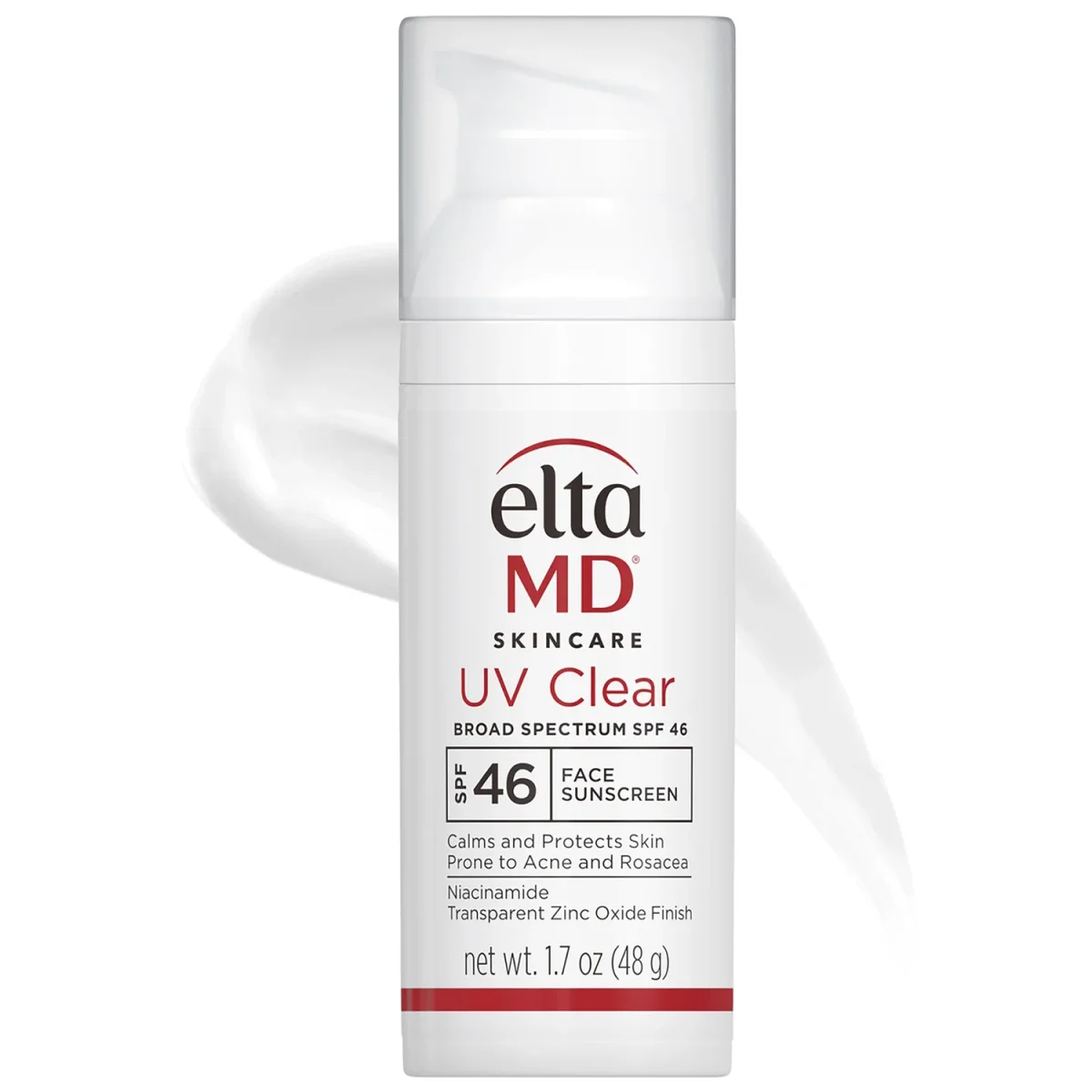
The EltaMD UV Clear SPF 46 is the single most impactful softmaxx product you can buy. Daily SPF is the only anti-ageing intervention with consistent clinical backing, and this one adds 5% niacinamide, leaves no white cast, and costs less per year than one round of whatever treatment the TikTok algorithm is currently selling you.
VIBE GUIDE
Beard Oil Is Mostly Cope (and Other Things Looksmaxxing TikTok Won't Tell You)
If you're only going to fix one thing, make it SPF. EltaMD UV Clear SPF 46 is the sunscreen dermatologists actually use on themselves - matte, niacinamide-spiked, and invisible enough that you'll run out of excuses not to wear it daily. Everything else in this guide is worth doing, but nothing moves the needle on long-term skin quality like consistent sun protection.