
VS
Safety Razor vs Cartridge Razor: Which Actually Gives You a Better Shave in 2026?
The shaving debate that refuses to die, settled with actual numbers.
Last updated: August 25, 2026
Quick Answer
The Merkur 34C paired with Astra Superior Platinum blades wins on shave quality, skin health, and long-term cost. The single-blade geometry cuts ingrown hairs meaningfully versus multi-blade cartridges, and your running cost drops to roughly $8-16 a year once you're past the two-to-four week learning curve. If you can handle three weeks of slightly worse shaves while your technique catches up, you'll never go back to paying $5 a head for Fusion5 cartridges.
Here's the thing about the safety razor discourse: it's absolutely riddled with men who own badger-hair brushes and have strong opinions about tallow soap and would very much like you to know about it. That's not what this is. This is a forensic cost-and-quality breakdown of whether switching from a cartridge to a double-edge safety razor is genuine performance improvement or elaborate cope - the kind of cope where you spend six weeks on a learning curve and end up with the same shave you had before, except now you've watched forty YouTube videos about blade angle.
The honest answer is that it depends on two things: what your skin actually does with a multi-blade cartridge, and whether you can tolerate a brief but real regression in shave quality while you unlearn fifteen years of bad pressure habits. Neither of those variables appears in the usual safety razor evangelism, which tends to go heavy on the 'our grandfathers shaved like this' romanticism and light on 'yes, you will nick yourself in week one.'
So here's what we're actually covering: the Merkur 34C with Astra Superior Platinum blades versus the cartridge setup most men are actually using - the Harry's Truman and Gillette ProGlide Labs end of the market. Full cost breakdown, honest irritation data, the learning curve nobody warns you about, and a single clear recommendation with exactly one caveat.
Featured Products
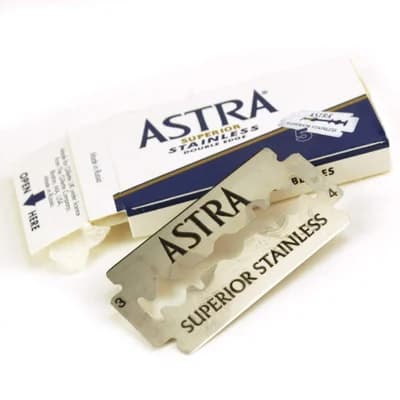
Astra Superiors are the right blade to start with precisely because they're mid-spectrum - sharp enough to shave well, forgiving enough that inconsistent beginner technique doesn't immediately produce blood. The three-to-five shave lifespan is shorter than premium alternatives, but at $0.03-$0.05 per shave that is genuinely not a problem worth having an opinion about. Buy a hundred-pack and stop thinking about blade cost entirely.
Paired with the Merkur 34C as the complete safety razor setup in the comparison, and the product that makes the cost argument arithmetically unanswerable.
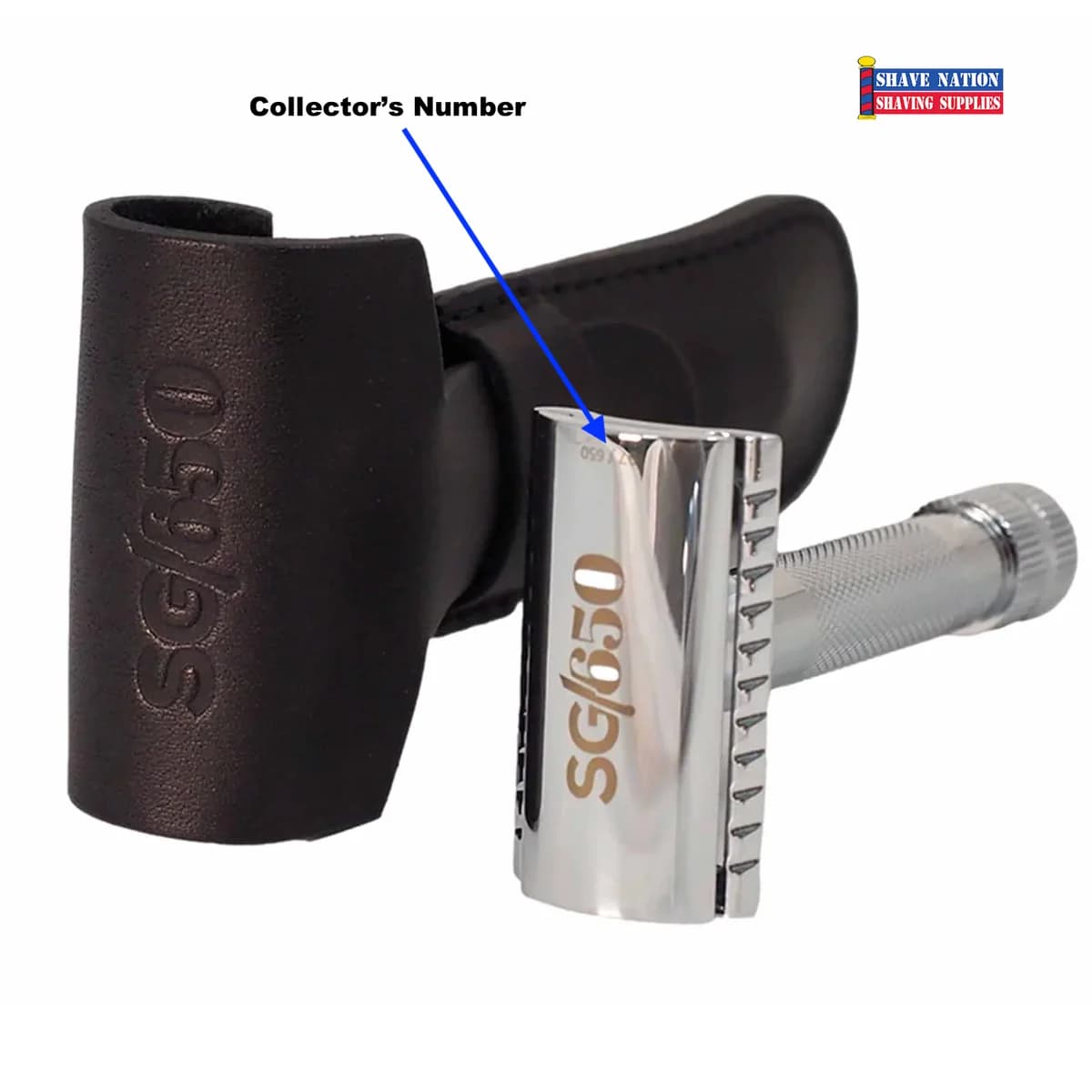
The Merkur 34C is the correct starting razor for the overwhelming majority of men switching from cartridges. The closed-comb geometry is forgiving enough for imperfect early technique while still delivering meaningfully better skin outcomes than a multi-blade setup once you're calibrated. The short handle is a legitimate fit issue for larger hands, and the lack of adjustability matters if your beard growth is coarse or directionally inconsistent - but for everyone else this is the benchmark entry point, and it costs about the same as two packs of Fusion5 cartridges.
It's the specific safety razor in the guide's head-to-head comparison and the recommended setup for men switching from cartridges.
The Actual Question: Is This Optimisation or Nostalgia Cope?
Let's establish the terms. Nostalgia cope in looksmaxxing parlance means something that feels like an upgrade, performs like a lateral move, and costs you time and money while giving you the psychological comfort of doing something intentional. See also: jade rollers, gua sha for men, and about 80% of the beard oil market.
The safety razor is not nostalgia cope. Or - more precisely - it's *possible* to use it as nostalgia cope, if you buy a chrome stand and a vintage brush and spend your Sunday mornings doing a full ritual that takes forty minutes and produces roughly the same result as a three-minute cartridge shave. That's your business.
But the underlying technology - a single sharp blade at a fixed angle, no multi-blade stacking, no lubricating strip that costs $0.80 to manufacture and adds $4.50 to the retail price - is genuinely better for a significant proportion of men's skin. The evidence for reduced ingrown hairs and razor bumps from single-blade shaving is consistent across dermatological literature. Multi-blade cartridges work by the 'hysteresis' mechanism - blade one pulls the hair forward, blade two (or three, or five) cuts it below skin level. Closer shave in the short term, higher likelihood of the hair curling back and growing inward. If you don't get ingrown hairs, this matters less. If you do, it matters a lot.
So the question isn't really 'safety razor or cartridge?' It's: what is your skin actually doing, what is your face actually doing, and is the economics argument enough on its own if the skin argument doesn't apply to you?
Spoiler: the economics argument is genuinely enough on its own.
---
Camp One - The Safety Razor Setup: Merkur 34C + Astra Blades
Merkur 34C Safety Razor
Best for: Men who shave three-to-five times a week and want to stop giving Gillette a direct debit. Also anyone with persistent ingrown hairs on the neck who has tried everything else.
What it actually is: 79g, chrome zinc alloy, closed-comb head, 84mm handle. Made in Solingen, Germany. The closed-comb geometry is the key detail for beginners - it's more forgiving than an open-comb design, meaning blade exposure is lower and the margin for technique error is wider. This is the correct starting razor for most people. It's not adjustable, which is one genuine limitation we'll get to.
Performance: The Merkur 34C shaves close. Once your technique is calibrated - and that takes two to four weeks, not a weekend - the closeness is comparable to a good cartridge shave, with meaningfully less post-shave irritation on the neck and jawline for men prone to razor bumps. The weight of the razor does most of the work. The cardinal sin of the beginner safety razor user is applying cartridge-level pressure, which is how you get nicks in week one.
Handle length is 84mm, which is fine for most hands and noticeably short for larger ones. If your hands are big, that's worth knowing before you buy - the Edwin Jagger DE89 runs longer and costs about the same.
Price and value: The razor itself is around $38-45. That's a one-time purchase. It will outlast you if you don't lose it. Annual blade cost with Astras runs $8-16. The lifetime economics argument against Gillette Fusion5 is not subtle - full maths below.
Cons, honestly: The learning curve is real and it's two-to-four weeks, not two-to-four shaves. You will have slightly worse shaves than your cartridge routine while you adjust. If you travel constantly, the fixed-blade design means you're technically checked-in luggage territory (blades are restricted in carry-on). Not adjustable - for coarse or directionally inconsistent growth, the Rockwell 6C is a better fit.
Astra Superior Platinum Double Edge Blades
Best for: Anyone starting out with a double-edge razor who doesn't want to start with the most aggressive blade on the market (Feather) or the bluntest (Derby). Astra lands in the middle, which is exactly where beginners should be.
What they actually are: Double-edge blades manufactured under Gillette quality control in Saint Petersburg (the Russian one). The platinum coating reduces drag versus uncoated blades and extends usable life. Mid-spectrum sharpness means they're forgiving enough for inconsistent technique but sharp enough to deliver a clean shave once you've got your angle sorted.
Performance: Three-to-five shaves per blade is the honest lifespan. Some men get more, particularly those with finer hair - five-to-seven is achievable. Premium blades like Gillette Silver Blue run slightly longer but cost more per unit. At $0.03-$0.05 per shave, Astra makes the cost-per-shave argument arithmetically unanswerable.
Batch consistency is notably better than budget no-name blades, which is worth emphasising: a dud blade in a safety razor is a significantly worse experience than a dud cartridge, and inconsistent quality is the thing that kills beginner technique. Astra's Gillette manufacturing backstory keeps the quality floor high.
Cons: Three-to-five shaves per blade is shorter than premium alternatives. And these are completely useless without a compatible double-edge razor - obviously - but worth stating plainly: this is not an upgrade you can make gradually. You're buying both or you're buying neither.
> Mariana's Take: The difference in a man's neck skin after six weeks on a single blade versus a multi-blade cartridge is visible. I don't mean "if you look closely" - I mean the texture reads differently in person. Less angry. More like skin, less like something that recently had a disagreement with a five-blade plastic unit.
---
Camp Two - The Cartridge Setup: Harry's Truman vs Gillette ProGlide Labs
We need to be fair to the cartridge format, because an honest comparison requires treating it seriously rather than as a straw man.
The Harry's Truman sits at around $13 for the handle with blades at roughly $2.25-$2.60 per cartridge (cheaper than Gillette, five-blade design, decent ergonomics). It's a legitimate mid-market option and it shaves well. The handle is comfortable, blade replacement is simple, there's no learning curve whatsoever. You pick it up and shave. This is not nothing.
The Gillette ProGlide Labs costs more - cartridges run $5+ each in a four-pack (roughly $20-$26 for four heads) - and comes with the flexball technology and lubrication strip that Gillette has been spending its marketing budget on for years. It shaves well. It also costs significantly more per shave than it should, given what the component cost of a cartridge head actually is.
Where cartridges genuinely win: Zero learning curve. Travel-friendly (cartridge heads in carry-on, no issue). Speed - a cartridge shave is genuinely faster once you're experienced with it. Consistency - you get roughly the same shave every time regardless of technique.
Where cartridges lose: The economics (see below). The ingrown hair issue for susceptible skin types. The low-grade psychological irritation of paying subscription prices for razor heads.
---
The Cost Breakdown (The Part Where Cartridge Razors Lose the Argument)
Let's be precise, because the numbers are where the cartridge format genuinely falls apart.
Gillette Fusion5 scenario (4 cartridges per month, standard replacement):
- Cartridges: roughly $4.50-$6 per head = $220-$280/year
- Handle: one-time ~$20
- Annual running cost: $220-$280
Harry's Truman scenario (slightly lower cartridge frequency, lower per-head cost):
- Cartridges at ~$2.25-$2.60 per head, replacing weekly: roughly $120-$135/year
- Handle: ~$13
- Annual running cost: $120-$135
Merkur 34C + Astra blades scenario (three shaves per blade, five shaves per week):
- Blade cost: ~$0.04 average per shave x 260 shaves per year = roughly $10
- Razor: $38-$45 one-time (amortised over 10+ years: $4-$4.50/year)
- Annual running cost: $14-$16
The Merkur setup costs approximately one-tenth of the Gillette Fusion5 annual spend and roughly one-ninth of Harry's, once you're past the initial razor purchase. In year two, you're spending $10-$16 on blades. That's it. The argument is not close.
The actual rebuttal from the cartridge camp (and it's fair): your time has value, and the learning curve represents a real time cost. Two-to-four weeks of slightly worse shaves while you adjust - that's a real thing. Whether $195+ per year is worth that convenience premium is a personal call. I'm not here to tell you what your time is worth. I'm here to tell you the maths.
---
Shave Quality Head-to-Head: Closeness, Irritation, and Ingrown Hairs
Closeness: Experienced safety razor technique matches a good cartridge shave. Early safety razor technique does not. This is the honest caveat. The first two weeks on the Merkur 34C, you'll have marginally less close shaves - not dramatically worse, but not better. By week four, you're at the same quality or better, with less post-shave redness.
Irritation: This is where the single-blade design wins clearly for a significant subset of men. The multi-blade hysteresis effect - where sequential blades cut hairs below the skin surface - produces more ingrown hairs, particularly on the neck and along the jawline. Studies in dermatological literature consistently show single-blade shaving reduces pseudofolliculitis barbae (razor bumps) frequency. If you currently have persistent ingrown hairs on your neck, this isn't a marginal improvement - it's the actual fix.
For men who don't get ingrown hairs, the irritation difference is smaller but still present. A good single-blade shave with proper prep produces less post-shave tightness and redness for most skin types. Whether that difference justifies the learning curve is the real question.
For men with darker skin tones who are more prone to pseudofolliculitis barbae, the single-blade argument is significantly stronger. For some faces, this isn't optional - it's the clinical recommendation.
Multi-blade wins on:
- Speed (genuinely faster once you know what you're doing)
- No-technique-required consistency
- Navigating complex facial geometry (under the nose, jaw angles) without practice
---
The Learning Curve Nobody Admits To
This is the section that safety razor evangelists skip, and I find it genuinely annoying.
The learning curve is two to four weeks and it involves:
1. Unlearning pressure. You've spent years pressing a cartridge into your face. A safety razor requires almost zero pressure - the weight of the razor does the work. Your muscle memory will override this for at least the first ten shaves. This is how you nick yourself.
2. Finding the angle. 30 degrees from the skin surface is the target. This sounds simple. It's not simple the first time. It becomes automatic by week three.
3. Mapping your grain. With a multi-blade cartridge, going against the grain is survivable. With a safety razor on inconsistent beard direction, it's a bad idea until you know exactly where your grain changes. Week one: with the grain only. Week two: introduce cross-grain. Week three onwards: experiment.
4. Accepting the dip. Your shaves will be slightly worse for two weeks. This is just what happens. It's not a sign the razor is wrong for you. It's a sign you're still learning.
The men who try a safety razor, have three mediocre shaves, declare cartridges superior and go back - these men didn't account for the curve. This is the number one reason the switch fails. Manage expectations: it's a two-week project, not a weekend upgrade.
---
The Prep Variable: Why Proraso Changes Both Equations
Briefly, because it's relevant: shave prep matters more with a safety razor than with a cartridge, and significantly more than most switching guides admit.
A cartridge with a decent gel does an adequate job regardless of whether your beard is properly softened. A safety razor on an unprepared dry beard is a noticeably worse experience - more drag, more irritation, less close.
The minimum viable prep stack for a safety razor: hot shower or hot towel first (two minutes, non-negotiable), plus a shave cream or soap that actually lubricates rather than just foams. Proraso green is the benchmark entry point - tubes cost around $8-$10 and last months. If you're using a brush, great. If not, applying shave cream with your fingers to a wet face works fine and takes thirty seconds.
This prep routine also improves cartridge shave quality meaningfully - but the gap between prepared and unprepared is wider for single-blade work. Consider it a non-negotiable part of the setup cost.
---
Who Should Actually Switch (And Who Probably Shouldn't)
Switch to the Merkur 34C + Astra setup if:
- You get persistent ingrown hairs or razor bumps, particularly on the neck - this is the strongest argument
- You're spending more than $80/year on cartridges and that number bothers you
- You shave regularly (three-plus times per week) and are willing to invest two-to-four weeks in the technique
- You have normal-to-sensitive skin and want to reduce post-shave redness
Stay with cartridges (for now, or permanently) if:
- You shave infrequently (once or twice a week) - the economics argument weakens considerably at low frequency
- You travel constantly with carry-on only and don't want to check bags
- You genuinely don't have a skin complaint and the cost difference doesn't bother you
- You're in a period of your life where adding a learning-curve project to your morning routine is genuinely impractical
There's no moral dimension to this. A cartridge razor is not inferior masculinity. It's a worse product at a worse price for most use cases, but 'most' is not 'all', and I'm not going to pretend the learning curve is trivial to tell you something you want to hear.
> Mariana's Take: The men I know who switched to safety razors and stuck with it don't talk about it the way the forums talk about it. They just look better. Skin reads cleaner. Less irritation means less redness means a better baseline complexion. It shows, even if they'd never describe it in those terms.
---
Jamie's Verdict: One Winner, One Caveat, Zero Nostalgia
The Merkur 34C with Astra Superior Platinum blades wins. Not because it's heritage, not because our grandfathers used it, not because there's anything virtuous about holding a piece of German zinc alloy instead of a plastic handle.
It wins because the single-blade geometry is genuinely better for skin health for most men who shave regularly, the cost arithmetic is unarguable, and the shave quality - once technique is calibrated - matches or beats a cartridge on every metric that matters post-shave: closeness, irritation, texture over the following twelve hours.
The one caveat: the learning curve is real, it's two-to-four weeks, and you have to go into it knowing your shaves will be slightly worse before they're significantly better. That's not a dealbreaker. It's just information that should be in every switching guide and usually isn't.
The cartridge format isn't without legitimate advantages: no learning curve, faster shave, better for infrequent shavers and carry-on-only travellers. Harry's Truman is a decent product at a fair price for the format. The Gillette end of the market is a decent product at an unfair price, full stop.
But if you shave regularly, have even mild skin complaints, and are currently paying Gillette or Harry's a meaningful annual subscription for the privilege - the Merkur 34C is a one-time $40 investment that pays for itself in under three months. That's not a nostalgia argument. That's arithmetic.
Tips
- 1.In the first two weeks of safety razor use, shave only with the grain - do not go against the grain until your angle and pressure feel automatic. It's the single most effective way to avoid nicks while you're still calibrating technique, and ...I cannot stress this enough... most beginners skip this and then blame the razor.
- 2.Replace your Astra blade every three-to-five shaves regardless of whether it 'feels' dull. A blade that's just past its best pulls slightly before it drags noticeably, and that pull is where ingrown hairs start. At $0.04 a blade, there's no reason to push it.
- 3.If you're still getting nicks consistently past week two, the problem is almost certainly pressure. You're pressing the razor into your face. Let the weight of the Merkur 34C do the work - hold it loosely, apply no downward force, and let gravity and angle do the cutting. Right? That's it. That's the whole fix.
The Bottom Line
The Merkur 34C with Astra Superior Platinum blades is the better shave, the better economics, and the better outcome for most men's skin. Full stop. The learning curve is two-to-four weeks and it's real, but it's a project with a clear endpoint and a clear payoff: fewer ingrown hairs, less post-shave irritation, and an annual blade spend that rounds to the cost of one Gillette four-pack. Cartridges aren't shameful. They're just significantly overpriced for what they deliver, and the Merkur setup is the evidence.
Frequently Asked Questions
Is a safety razor actually better than a cartridge razor or is it just hype?
How long does it take to learn to shave with a safety razor?
How much money do you actually save switching from cartridge razors to a safety razor?
Are Astra Superior Platinum blades good for beginners?
What are the downsides of the Merkur 34C safety razor?
Should I switch to a safety razor if I don't have ingrown hairs?
Related Guides
VIBE GUIDE
Mewing, Hardmaxxing, and Other Lies the Internet Sold You: The Softmaxx Products That Actually Work
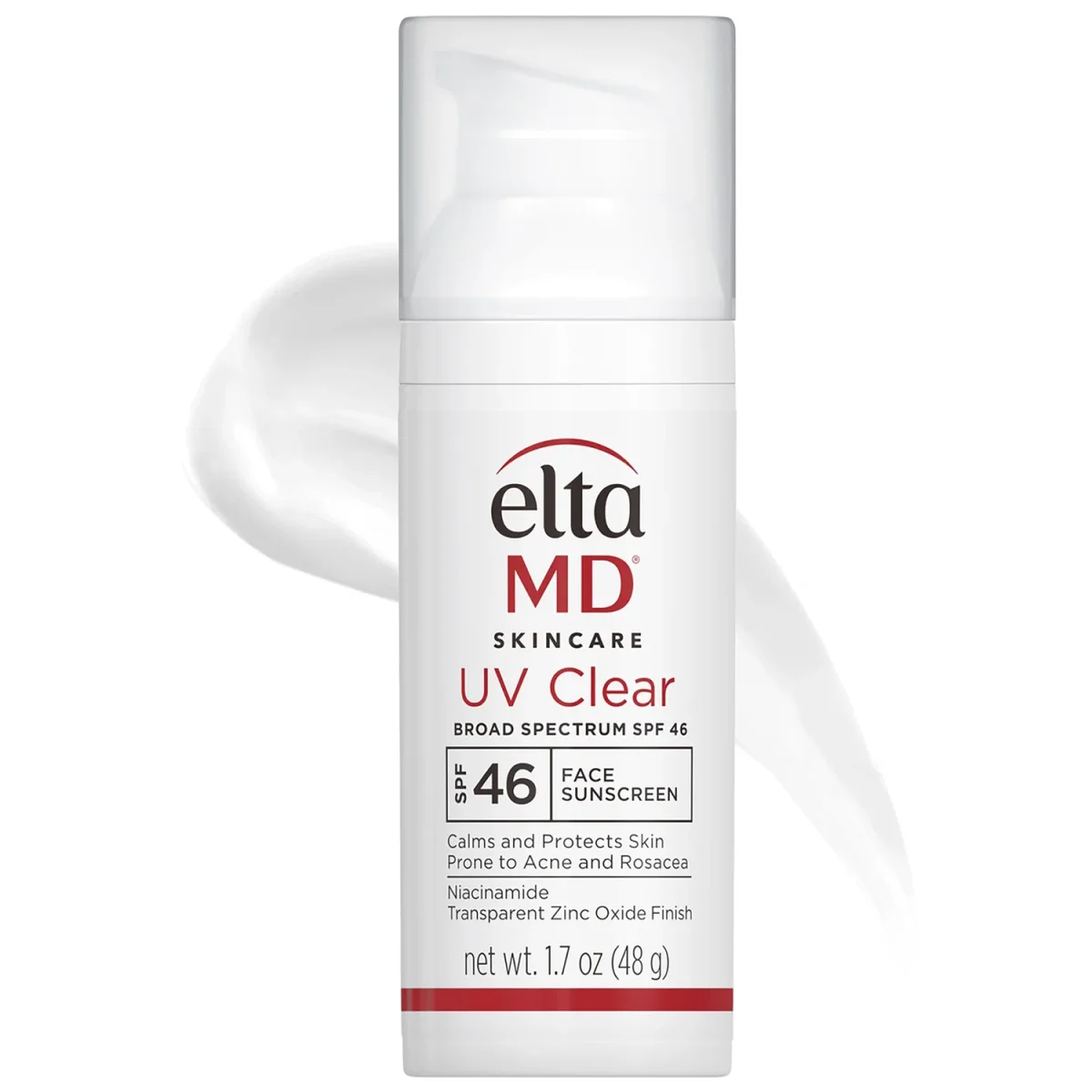
The EltaMD UV Clear SPF 46 is the single most impactful softmaxx product you can buy. Daily SPF is the only anti-ageing intervention with consistent clinical backing, and this one adds 5% niacinamide, leaves no white cast, and costs less per year than one round of whatever treatment the TikTok algorithm is currently selling you.
BEST OF
Best Aftershaves for Men 2026: Splash vs Balm, Ranked by Skin Type
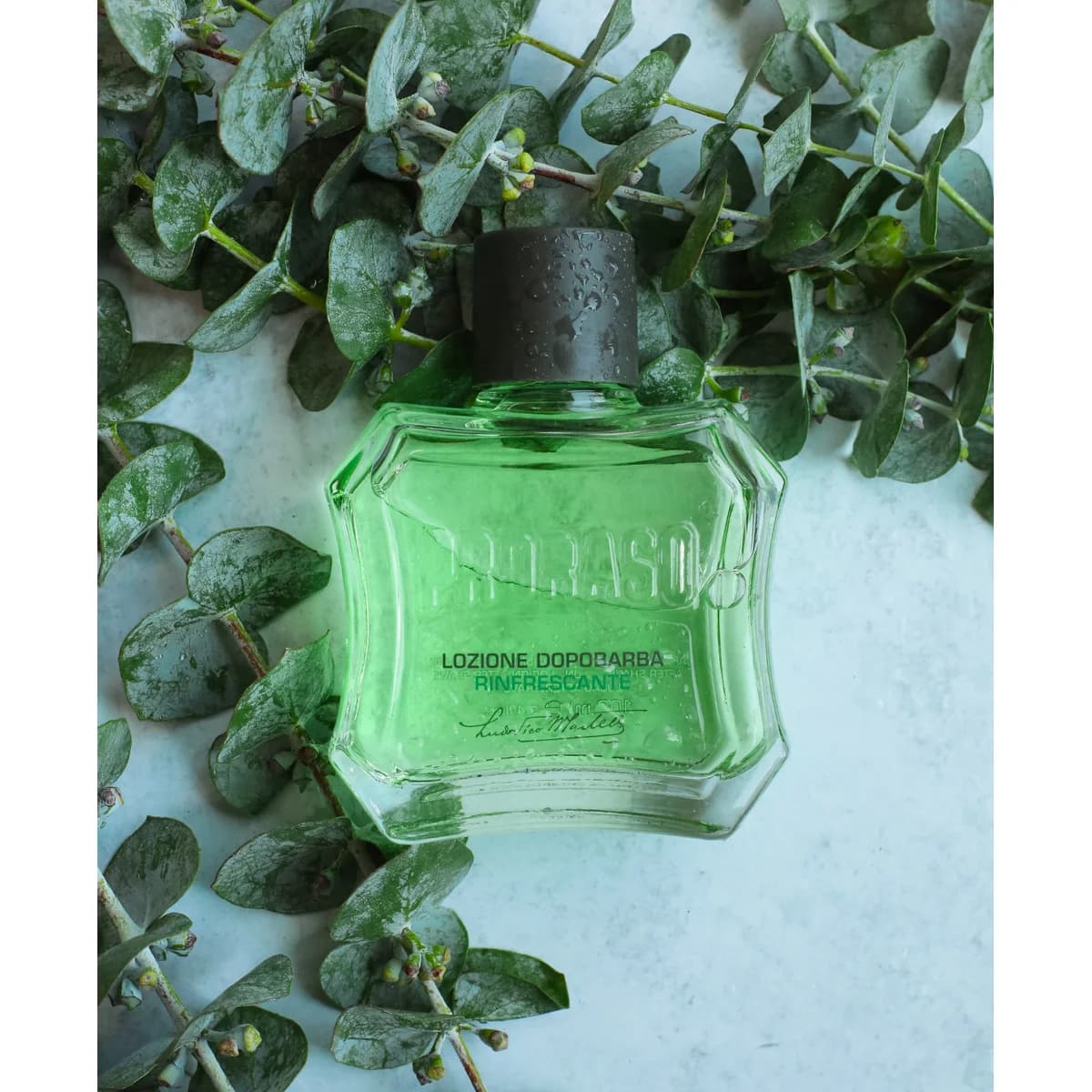
For most men, the Proraso Aftershave Lotion Refresh Green is the best splash going - consistent formula since 1948, pennies per shave at the 400ml size, and genuine menthol-eucalyptus cooling that actually reduces razor irritation rather than just smelling medicinal. If your skin leans dry or sensitive, skip it entirely and go straight to the Nivea Men Sensitive Post Shave Balm - alcohol-free, absorbs in under two minutes, and outperforms balms costing three times as much.
BEST OF
Best Men's Shaving Gear 2026: Razors, Creams, and the Aftershaves That Don't Burn
The Merkur 34C paired with Astra Superior Platinum blades is the best shaving setup for most men in 2026. The razor costs around $40 once and the blades run to roughly $0.03-0.05 each - after the learning curve (give it three weeks, not three shaves), the shave quality beats a Fusion5 cartridge and the annual cost is embarrassing by comparison. If you're not ready to commit to a safety razor, Harry's Truman is the honest cartridge option that at least doesn't pretend the pricing model is fair.
VIBE GUIDE
Beard Oil Is Mostly Cope (and Other Things Looksmaxxing TikTok Won't Tell You)
If you're only going to fix one thing, make it SPF. EltaMD UV Clear SPF 46 is the sunscreen dermatologists actually use on themselves - matte, niacinamide-spiked, and invisible enough that you'll run out of excuses not to wear it daily. Everything else in this guide is worth doing, but nothing moves the needle on long-term skin quality like consistent sun protection.