
BEST OF
Best Sunscreens for Men 2026: The Single Anti-Ageing Move That Actually Works
Skip the 12-step routine. Start here. Your future face will thank you.
Last updated: August 25, 2026
Quick Answer
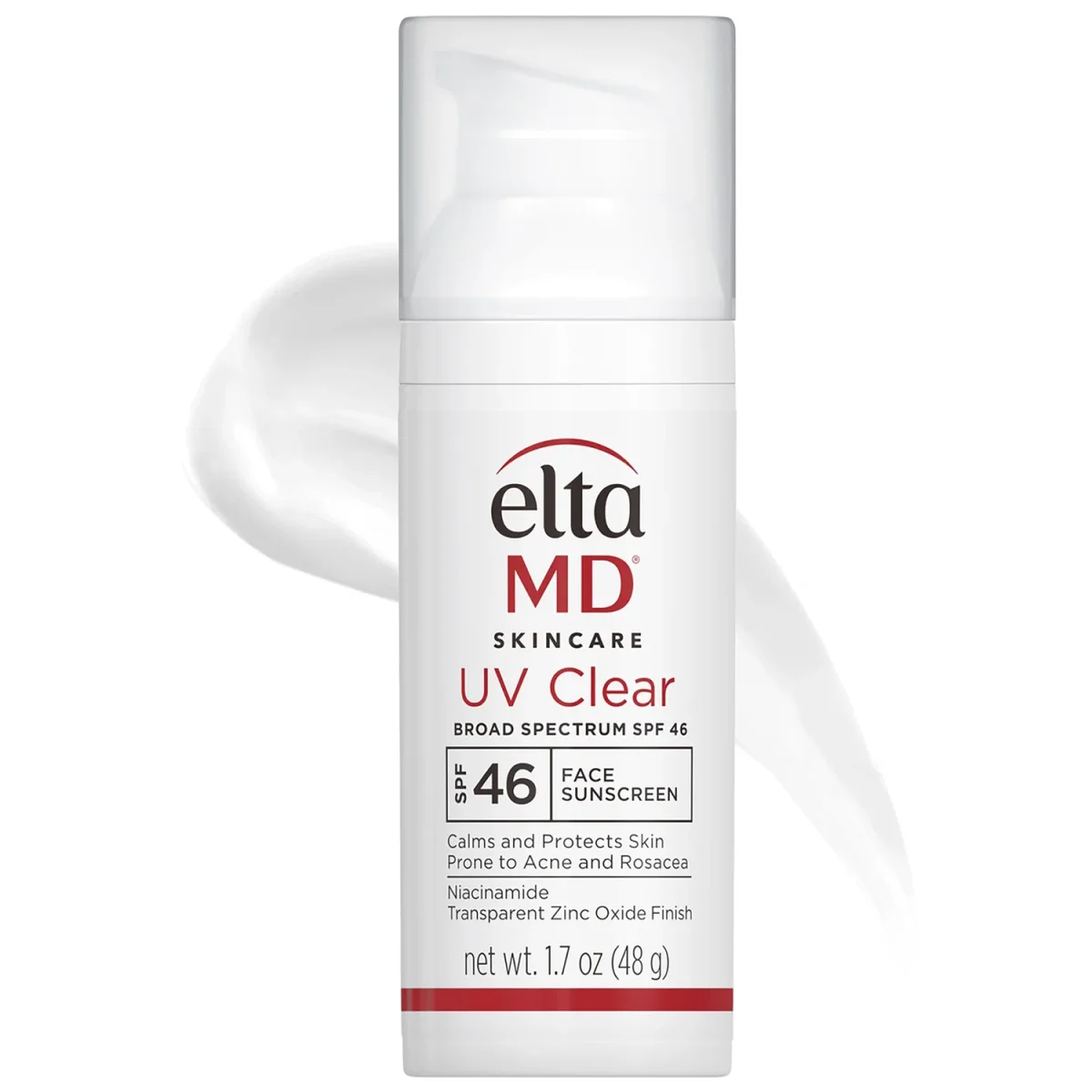
EltaMD UV Clear SPF 46 is the best daily sunscreen for most men right now - matte finish, 5% niacinamide, virtually no white cast for a mineral formula, and dermatologist-recommended without the dermatologist-speak price tag. If you do one thing for your face this year, this is it.
Here's the thing about looksmaxxing discourse that nobody will say out loud: the boys spending three hours a day mewing, dry-fasting, and ordering $100 collagen peptides are skipping the one intervention with an actual peer-reviewed evidence base. Sunscreen. A $16-to-$40 tube of SPF you apply in thirty seconds every morning. That's it. That's the whole anti-ageing stack.
Photoageing - UV-induced skin damage - accounts for roughly 80-90% of visible skin ageing, according to research published in *Clinical, Cosmetic and Investigational Dermatology*. Not genetics. Not sleep. Not your ceramide serum, though that helps. UV exposure. Which means SPF isn't a skincare step you add once you care enough about your appearance to admit it. It's the highest-ROI single move in the entire softmaxxing playbook, and the barrier to entry isn't money or effort - it's habit and, historically, the white cast problem.
This guide is about sunscreens that are actually wearable. No chalky grey finish. No grease slick by 11am. No excuses. Four options ranked - two mid-range, two budget - by how they perform in real daily use, not in the controlled lighting of a brand deck. One clear winner, one for maximum UVA coverage if you live somewhere with actual sun, and two budget picks that remove the cost objection entirely.
Featured Products
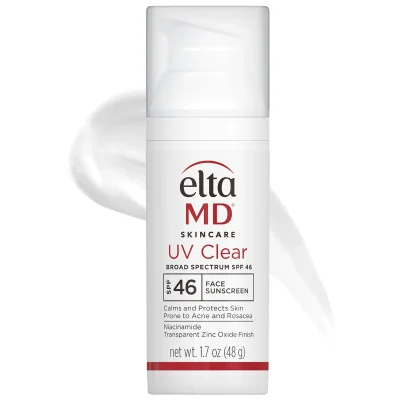
The best all-round daily SPF for most men in this guide. Matte finish, 5% niacinamide doing actual work over 4-6 weeks, and virtually no white cast for a mineral formula - which is a genuine engineering achievement. The 48ml tube disappears faster than it should, but the formula earns it.
The clearest best-overall pick in the category: solves the greasy-finish problem, the white-cast problem, and the 'what does my SPF actually do besides SPF' problem simultaneously.
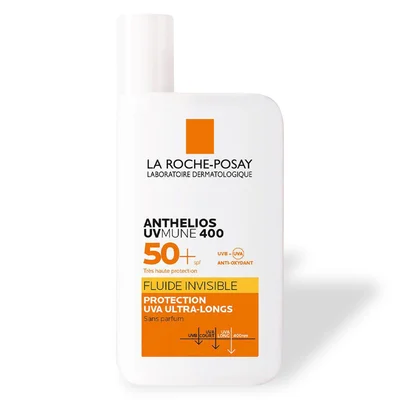
The highest UVA coverage you can buy without flying somewhere with faster FDA approval. Mexoryl 400 covers UV wavelengths that EltaMD simply can't reach, and the invisible fluid formula is among the most cosmetically wearable in this guide. The alcohol content and import friction for US readers are the only meaningful negatives.
Included for men in high-UV environments or anyone who's done enough reading to know that UVA depth matters and isn't willing to compromise on it.
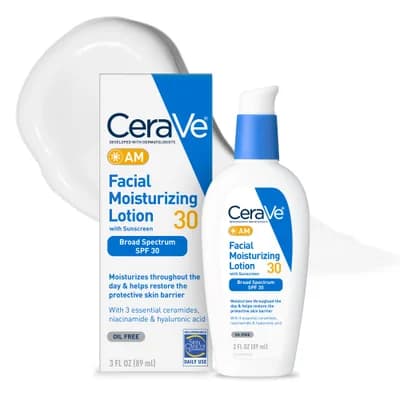
The budget winner and the 'just start somewhere' pick. Heaviest texture in the guide and a faint white cast on medium-to-dark skin tones, but the price-per-use is unmatched and the ceramide-plus-niacinamide formula is doing real work alongside the SPF 30.
Included because cost is a real barrier and a properly applied SPF 30 used daily beats an SPF 50 used occasionally. This is the product that removes the cost objection.
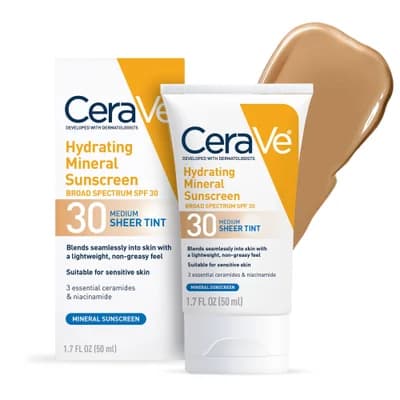
The right product for a specific use case - light-to-medium skin on an active retinol or acid routine that benefits from mineral over chemical filters. Outside that use case, the white cast on darker skin tones and the SPF 30 ceiling limit its appeal relative to the other options.
Included as the only fully mineral option in the guide - relevant for reactive skin types and retinol users who need a gentler filter profile without moving to a premium price point.
Why Sunscreen Is the Only Anti-Ageing Product That Has Actual Data Behind It
Every other product in your bathroom is working with varying degrees of evidence. Retinoids: solid data, genuinely useful. Vitamin C serums: decent data, heavily overstated. Collagen supplements: emerging data, probably less impressive than the price suggests. Jade rollers: we don't need to discuss jade rollers.
Sunscreen is the one intervention where the science isn't emerging - it arrived decades ago and has been replicated repeatedly. A landmark 2013 study in *Annals of Internal Medicine* followed 900 adults over 4.5 years and found that daily SPF users showed 24% less skin ageing than those who used it only sometimes. That's not a before-and-after Instagram filter. That's a controlled longitudinal study with measurable outcomes.
And yet. Most men don't wear it. The reasons are always the same: white cast, greasy finish, an extra step they can't be bothered with, or the vague suspicion that it's "a bit much." This guide exists to dismantle every one of those excuses with specific product recommendations and, where necessary, mild contempt.
UVA vs UVB: the bit that actually matters for ageing
UVB is what burns you. UVA is what ages you - it penetrates deeper into the dermis, breaks down collagen, and does its worst damage on overcast days and through windows. Most men know the SPF number (UVB protection) but have no idea what UVA rating they're getting. In the UK, look for the UVA circle logo or a PPD rating. In the EU, the Mexoryl and Tinosorb filters provide substantially deeper UVA coverage than what the US market can legally sell. This matters if you're comparing products across regions.
---
How We Tested: What 'Wearable' Actually Means in Practice
'Wearable' is doing a lot of work in sunscreen marketing and almost none in sunscreen reality. So here's what it means for this guide:
- No meaningful white cast - on Fitzpatrick I-IV skin tones with a 2-minute blend. Products that read grey or ashen on medium skin tones are marked accordingly.
- Absorbed within 3 minutes without a separate blotting or priming step.
- Non-comedogenic in practice - not just on the label. Products with a track record of clogging pores on acne-prone users are noted.
- Usable under stubble - no pilling, no catching on short facial hair.
- Comfortable for full-day wear - not greasy by midday, not tight and dehydrating by 3pm.
I've been rotating sunscreens as a daily driver since early 2024 (the looksmaxxing algorithm got me, what can I say), testing these on combination-to-oily skin in London and Southern Europe. Where my experience doesn't cover a specific use case - very dry skin, Fitzpatrick V-VI tones - I say so rather than guessing.
---
The Rankings: Best Sunscreens for Men in 2026
#1 Best Overall: EltaMD UV Clear SPF 46
Best for: Daily use on oily, acne-prone, or combination skin. The office, the commute, the errand run. Men who want one product that does three jobs without making their face look embalmed.
Family: Mineral-chemical hybrid (9% zinc oxide as primary filter, with chemical filters supporting UVB coverage).
What it actually does: EltaMD UV Clear is the sunscreen dermatologists recommend most often, which is either a ringing endorsement or a red flag depending on how cynical you are about dermatologist recommendations. In this case, genuinely deserved. The formula combines SPF 46 protection with 5% niacinamide - which, used consistently over 4-6 weeks, visibly reduces sebum production and redness. It's not a serum. But it means your daily SPF is quietly doing additional work while you go about your morning.
The finish is matte. Not 'claims to be matte on the packaging.' Actually matte. For oily skin types who've spent years avoiding moisturisers before 10am because they can't tolerate shine, this is the product that solves the problem. No separate mattifying primer required. It absorbs in under two minutes. It sits cleanly under stubble without pilling.
The zinc oxide content (9%) would typically create a meaningful white cast on most mineral SPFs. EltaMD has milled the particles finely enough that on Fitzpatrick I-IV skin tones, it's genuinely undetectable within a couple of minutes of blending. On Fitzpatrick V-VI, there's some residual ashiness - covered in the skin tone section below, but for a mineral formula, this is significantly better than average.
Performance: SPF 46 UVB, solid broad-spectrum UVA coverage. Longevity is good for 6-8 hours of indoor-outdoor mixed use without reapplication. The 48ml tube is the one genuine frustration - if you're applying the correct dose (more on that below), you'll burn through it faster than you expect.
Price: Around $35-40 for 48ml in the UK. Not cheap. Not outrageous for a product this functional. The per-application cost works out to roughly $0.70-0.85 with correct dosing - which is, as investments go, significantly cheaper than a single round of laser resurfacing for the photoageing you're preventing.
Pros:
- 5% niacinamide adds genuine skincare value beyond protection
- Matte finish that eliminates the shine problem for oily skin types
- Virtually no white cast for a mineral formula - usable on medium skin tones
- Fragrance-free, oil-free, non-comedogenic - the full set
Cons:
- 48ml disappears fast with correct dosing
- Slightly flat finish on dry skin - not ideal if you need hydration too
- UVA depth trails La Roche-Posay Anthelios UVMune 400 if you're in genuinely high-UV environments
> Mariana's Take: The matte finish makes a real difference in person. There's a version of SPF face that reads as 'slightly sweaty' even on a cold day. This is not that. When men actually wear this consistently, the skin clarity improvement over a couple of months is noticeable from the other side of a table - not transformative, but real.
---
#2 Best UVA Coverage: La Roche-Posay Anthelios UVMune 400 SPF 50
Best for: Men in high-UV climates, outdoor workers, anyone who spends meaningful time driving (windscreens block UVB, not UVA), and people who've done the reading on UVA depth and don't want to compromise.
Family: Chemical SPF with advanced European filters - specifically Mexoryl 400, which covers ultra-long UVA wavelengths (370-400nm) that are simply unavailable in US-market sunscreens due to FDA filter approval delays.
What it actually does: The Anthelios UVMune 400 is the product you reach for when you want the most comprehensive UV protection commercially available without a prescription. The Mexoryl 400 filter is genuinely new technology - it covers a portion of the UV spectrum that older SPF formulas, including good ones, simply miss. For everyday London commuting, this probably doesn't move the needle dramatically. For men spending significant time outdoors, on the water, at altitude, or in Southern Europe in August, the additional UVA depth matters.
The formula itself is an invisible fluid - which sounds like marketing language but isn't. It applies like a slightly thickened water, blends with almost no effort, and leaves no meaningful residue on most skin types. There's a small amount of denatured alcohol in the formula, which may irritate severely dry or compromised skin barriers - worth knowing.
The finish is close to the EltaMD in daily wearability. Slightly less matte, slightly more comfortable for normal-to-dry skin. For combination-to-oily skin types, both are comparable day-to-day.
Performance: SPF 50 UVB protection and one of the highest PPD (UVA Protection Factor) ratings available commercially. The invisible fluid formula is genuinely among the most cosmetically elegant European SPFs. Longevity is solid at 6-8 hours for mixed indoor-outdoor use.
A note on availability: This is where it gets inconvenient. The Anthelios UVMune 400 contains Mexoryl 400, which isn't FDA-approved, meaning it can't be sold in the United States as a sunscreen. US readers will need to import from EU pharmacies or authorised third-party sellers - which adds cost and lead time. For UK readers, it's widely available at Boots and LRP's own site, typically $22-30 for 50ml (spend slightly more on the 75ml version, which is better value).
Price: $22-30 for 50ml in the UK. Excellent value for what it delivers, particularly relative to EltaMD at a similar price point for less volume.
Pros:
- Mexoryl 400 provides UV coverage depth unavailable in US market products
- Invisible fluid formula - genuinely one of the most elegant finishes in the category
- High PPD rating - best-in-class UVA protection commercially available
- Tested for sensitive and eczema-prone skin
Cons:
- Small alcohol content may irritate compromised skin barriers
- 50ml tube disappears fast with correct dosing
- US readers face genuine availability and import friction
---
#3 Best Budget Daily Driver: CeraVe AM Facial Moisturising Lotion SPF 30
Best for: Men who want to remove every possible excuse for skipping sunscreen. This is the gateway product. It's a moisturiser and SPF 30 in one step, costs roughly $0.20-0.25 per application, and asks almost nothing of you.
Family: Chemical SPF hybrid - combines UV filters with ceramide barrier support and niacinamide.
What it actually does: The CeraVe AM is the 'just wear something' argument made into a product. It's not the most elegant formula in this guide. It's not the most photostable. It has a faint white cast that's more noticeable on medium-to-dark skin tones. But it combines SPF 30 with ceramide barrier support and niacinamide in one thirty-second step, costs around $14-18 for 89ml, and has been produced to a consistent formula standard for over a decade.
The texture is noticeably heavier than premium Japanese SPF formulas or the EltaMD - it takes a little longer to absorb, and for very oily skin types it may feel like more than you want in summer. On normal-to-dry skin it works as a complete morning moisturiser-plus-SPF with no additional steps required.
SPF 30 is the minimum recommended daily threshold. It's adequate for urban daily use. For outdoor workers, beach days, or extended time in high-UV environments, move up to SPF 50.
Performance: SPF 30 UVB, broad-spectrum UVA. Wears comfortably for 4-6 hours before reapplication is advisable. Batch consistency is a genuine strength - you get the same product every time, which matters more than it sounds for a daily-use item.
Price: Around $14-18 for 89ml. The best price-per-use in this entire guide by a margin.
Pros:
- Combines SPF, ceramides, and niacinamide in one step - zero excuse to skip it
- Fragrance-free and non-comedogenic
- Lowest price-per-application in the category
- Consistent formula across a decade of production
Cons:
- Faint white cast is real - more of an issue on medium-to-dark skin tones
- Heavier texture than premium alternatives
- SPF 30 is the minimum - step up if you spend real time outdoors
---
#4 Best Budget Mineral Option: CeraVe Hydrating Mineral Sunscreen SPF 30
Best for: Men on a retinol or acid routine who need a mineral SPF to avoid photosensitivity. Men with reactive or sensitised skin who want to avoid chemical filters. Not, and I cannot stress this enough, for men with Fitzpatrick IV-VI skin tones who don't want to look ashen before 9am.
Family: Mineral SPF - zinc oxide and titanium dioxide based, no chemical UV filters.
What it actually does: The case for mineral SPFs in a skincare routine is real: they sit on top of the skin rather than absorbing into it, making them better suited to reactive skin and skin already dealing with active acid or retinol use. The CeraVe Hydrating Mineral gives you that mineral protection with the ceramide barrier support that is CeraVe's actual distinguishing feature, without requiring you to spend mid-range money on the EltaMD.
The finish blends to near-invisible on light-to-medium skin tones within 2-3 minutes. It doesn't pill under stubble. It's unscented. For its intended audience - light-to-medium skin, reactive or sensitised, on a retinol routine - it does what it says.
However. On Fitzpatrick IV-VI skin tones, the white cast is meaningful. This isn't a marginal quibble or a slight ashiness that disappears with setting powder. It's a genuine exclusion. If you're darker-skinned and want a mineral SPF, the EltaMD UV Clear is significantly better - its finely milled zinc oxide is purpose-designed to reduce cast. The CeraVe Hydrating Mineral isn't built for that.
Performance: SPF 30 mineral. Solid for daily indoor-outdoor use on skin that needs the gentler profile. Not adequate for beach days or extended outdoor exposure - the SPF 30 ceiling is a genuine limitation.
Price: Around $14-18 for 75ml. Good value for the right user. Wrong user, wrong product.
Pros:
- Good price point for a mineral SPF
- Ceramide complex supports barrier repair - useful alongside active routines
- Fragrance-free and gentle on reactive skin
- Blends well on light-to-medium skin
Cons:
- Meaningful white cast on Fitzpatrick IV-VI - not a minor issue
- SPF 30 ceiling limits utility for high-UV use cases
- Finish reads thicker than chemical SPFs - less elegant in daily wear
> Mariana's Take: The white cast issue on mineral SPFs is something people minimise in reviews because they're testing on pale skin and calling it solved. It's not solved for a large portion of the audience. If you're darker-skinned, skip this one and go straight to the EltaMD - the zinc is milled properly and the difference is visible.
---
Which Sunscreen Is Actually Right for Your Skin Type?
Oily or acne-prone skin: EltaMD UV Clear SPF 46. The matte finish and 5% niacinamide make it the clear choice. CeraVe AM works as a budget fallback.
Dry or normal skin: La Roche-Posay Anthelios UVMune 400 or CeraVe AM. Both provide more comfortable hydration than the EltaMD's matte formula.
Sensitive or reactive skin, or active retinol/acid routine: CeraVe Hydrating Mineral SPF 30 for light-to-medium skin. EltaMD UV Clear for medium-to-dark skin or anyone who wants the mineral benefit without the heavy cast.
Budget priority: CeraVe AM Facial Moisturising Lotion SPF 30. Lowest price-per-use, competent protection, one step. That's the brief.
Maximum UV protection, high-sun environments: La Roche-Posay Anthelios UVMune 400. Not a close call.
---
The White Cast Problem: An Honest Guide for Medium-to-Dark Skin Tones
The sunscreen industry has been promising to solve white cast for about fifteen years. It's partially delivered on chemical SPFs and done meaningfully better work on mineral SPFs at the premium end. The gap is still real, and guides that handwave it with 'just blend it in properly' aren't helping anyone.
Fitzpatrick I-III (light skin tones): All four products in this guide are usable. The CeraVe Mineral has a slight cast but blends within a few minutes. The EltaMD is better for this.
Fitzpatrick IV (medium-dark skin tones): The EltaMD UV Clear is your best option in this guide - it's genuinely engineered to minimise cast for a zinc formula. The La Roche-Posay Anthelios UVMune 400 (chemical) is also a strong choice with minimal cast. Avoid the CeraVe Mineral unless you're comfortable with the residue.
Fitzpatrick V-VI (dark to deep skin tones): Chemical SPFs - the Anthelios UVMune 400 or the CeraVe AM - are the practical daily choices in this guide. The EltaMD UV Clear is better than most mineral formulas but still shows some ashiness. The CeraVe Hydrating Mineral isn't appropriate for daily use at these tones without colour correction.
This isn't the complete answer to the white cast problem. It's an honest assessment of these four products. If your skin tone puts you in a position where none of these feel right, the answer is probably a tinted mineral SPF or a premium chemical formula outside this guide's scope.
---
How Much Sunscreen You're Actually Supposed to Use (You're Using Half of It)
SPF ratings are tested at 2mg per square centimetre of skin. For the face, that's roughly a quarter-teaspoon - more than most men apply by a significant margin. If you're dotting a small amount across your forehead and calling it done, you're getting somewhere between SPF 10 and SPF 15 of actual protection from your SPF 50.
The practical advice:
- Squeeze out a proper amount - it should look like slightly too much
- Apply to face and neck in sections, not one big spread
- Let it absorb before applying anything else
- Reapply every 2 hours in high-UV conditions or after sweating significantly
This matters more for the budget products. If you're relying on SPF 30 from the CeraVe AM, you need to be applying the correct dose. Underdosing an SPF 30 to SPF 15-equivalent is the kind of marginal protection that's barely doing anything.
---
Jamie's Verdict: The One You Should Buy First
Look, the EltaMD UV Clear SPF 46 is the correct answer for most men reading this. It's matte, it's niacinamide-spiked, it's genuinely wearable on medium skin tones without a separate blending step, and it works as a primer. The 48ml tube is a minor irritation. The price is reasonable for what it delivers.
If you're in a high-UV environment regularly, add the La Roche-Posay Anthelios UVMune 400 to the rotation for the days you're actually outside. The Mexoryl 400 coverage is meaningfully better and the formula is excellent.
If you're not going to spend $26 on a tube of sunscreen and the cost genuinely is the barrier, buy the CeraVe AM Facial Moisturising Lotion SPF 30. It's not as elegant. It does the job. It costs $0.20 a day. The only way to lose at sunscreen is not wearing it.
Tips
- 1.Apply a quarter-teaspoon to your face and neck - most men use half that amount and wonder why their SPF 50 isn't doing much. Underdosing to SPF 15-equivalent isn't protection, it's cope.
- 2.If you're new to daily SPF and can't commit to a dedicated sunscreen step, start with the CeraVe AM Facial Moisturising Lotion - it replaces your morning moisturiser entirely and asks nothing extra from your routine.
- 3.For outdoor days, sports, or beach use, none of the SPF 30 options in this guide are adequate - move to the La Roche-Posay Anthelios UVMune 400 or another SPF 50 and reapply every two hours. Not as a theoretical exercise.
The Bottom Line
EltaMD UV Clear SPF 46 is the right first purchase for most men - matte finish, added niacinamide, and minimal white cast in a formula that's earned its dermatologist endorsement without requiring one. If you want maximum UVA depth and you're in the UK where you can actually buy it easily, the La Roche-Posay Anthelios UVMune 400 is the technical best-in-class. Either way: the single highest-ROI anti-ageing move in your entire routine is already decided. It costs less than your last two rounds and takes thirty seconds. There's no excuse left.
Frequently Asked Questions
does sunscreen actually prevent skin ageing or is it just marketing
what is the best sunscreen for men with oily or acne-prone skin
what is the difference between UVA and UVB protection and which one causes ageing
is La Roche-Posay Anthelios UVMune 400 SPF 50 worth the price
can I just use a moisturiser with SPF instead of a separate sunscreen
do mineral sunscreens leave a white cast on men's skin
Related Guides
HOW TO
How to Build a Men's Skincare Routine: The Three Steps That Actually Add a Point
If you're starting from zero, build around CeraVe Hydrating Facial Cleanser, The Ordinary Niacinamide 10% + Zinc 1%, and EltaMD UV Clear SPF 46 - cleanser, one active, SPF. That's it. Three steps, under fifteen minutes a day combined, and your skin will look measurably better in six weeks. Everything else is optional.
DUPE GUIDE
CeraVe vs La Roche-Posay 2026: The Drugstore Wars, Decided
If you can only buy one brand, go CeraVe for the cleanser and PM moisturiser, and La Roche-Posay's Anthelios UVMune 400 for SPF - or EltaMD UV Clear if you're in the US and can't import. Splitting the two brands by category beats going all-in on either, and your skin won't care about your brand loyalty.
DUPE GUIDE
The Ordinary Retinol 0.5% in Squalane: What It Actually Does, What to Pair It With, and What Not to Waste Your Money On
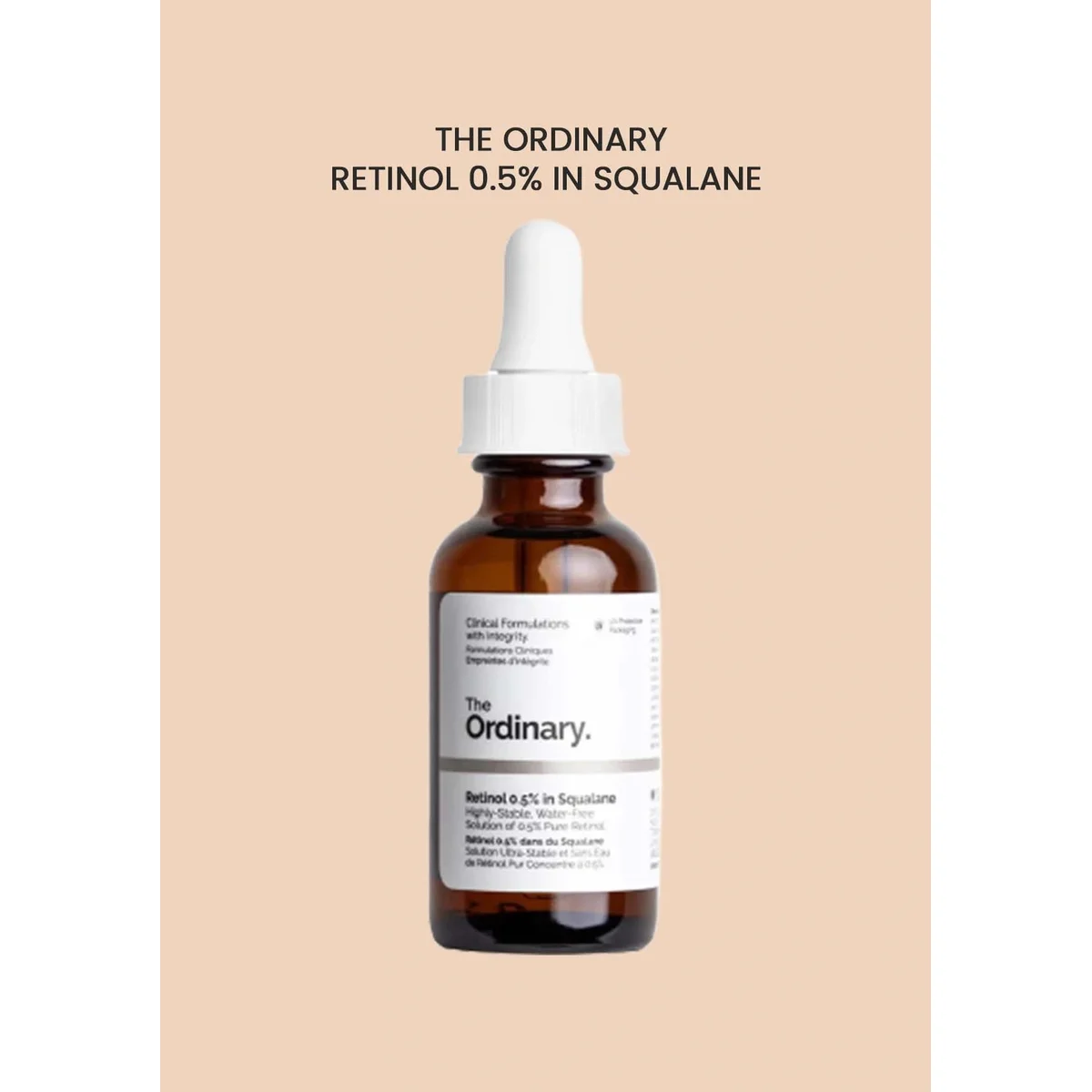
The Ordinary Retinol 0.5% in Squalane is already the budget answer to a $230 SkinCeuticals bottle - same active percentage, 6% of the price, and it works. The catch is that retinol without the right support routine is how you end up with a raw, peeling face and a grudge against actives. Pair it with the CeraVe Hydrating Facial Cleanser, La Roche-Posay Toleriane Double Repair Moisturiser, and EltaMD UV Clear SPF 46, and you've got a complete retinol routine for under $65 total.