
COMPARISON
DE Razor Blade Sharpness Ranked: From Most Forgiving (Derby) to Sharpest (Feather)
Six blades, one spectrum, and the technique level each one actually demands
Last updated: October 5, 2026
Quick Answer
Astra Superior Platinum is the one for most men: mid-spectrum sharpness, about $0.03 to $0.05 a shave, and forgiving enough that mediocre angle control costs you nothing. Feather is sharper, and Feather will make you pay for that sharpness in small red instalments.
Every double-edge blade guide online is a leaderboard. Best blade. Top 10 blades. The blade that beat everything. It's nonsense, and I say that as a man who spent four months running the same razor through six different blades to prove a point to an audience of nobody.
Here's what nobody frames properly: blade sharpness is a spectrum, not a ranking. You move along it as your technique improves. A Feather Hi-Stainless is the sharpest production blade on earth by measurement, and it will still give the average bloke a *worse* shave than a three-cent Astra, because sharpness without pressure control is just a faster route to a nick that fully commits to the bit. Right?
So this guide maps six blades from most forgiving to least, explains what BESS measurement actually tells you and where it stops being useful, pairs blades to razor aggression properly, and runs the cost-per-shave maths that makes the cartridge aisle look like an elaborate practical joke. Nobody's getting a PSL point out of this. You will, however, stop walking into Monday meetings with a neck that looks lightly grated.
Featured Products
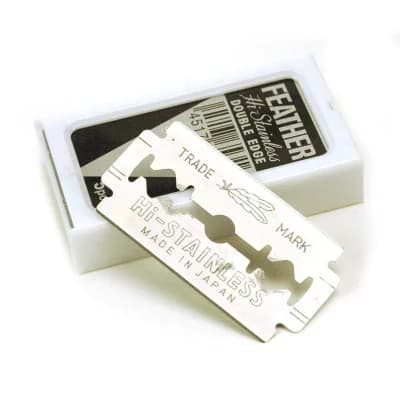
Measurably the sharpest production blade going, BESS 40 to 60g against 100 to 150g for budget steel, with near-zero variance in a pack. Practised hands get fewer passes and less cumulative irritation. Unpractised hands get nicks that fully commit, and the edge drops off noticeably after shave three.
It anchors the sharp end of the spectrum and shows exactly why sharpest doesn't mean best for most faces.
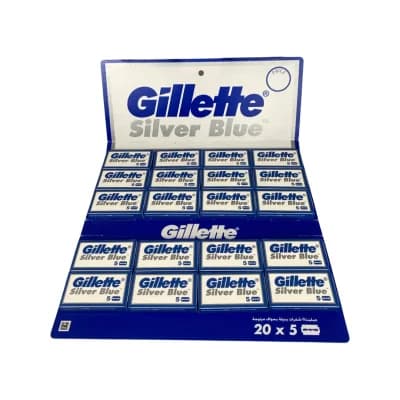
The most consistent blade across its life here. Shave four feels close to shave one, which Astra can't quite claim. Sits a notch sharper than Astra and works across mild and moderate razors without technique changes. Coarse beards will chew through packs faster than the arithmetic suggests.
The mid-to-sharp step up most men take after their first few months, and the blade experienced shavers quietly settle on.
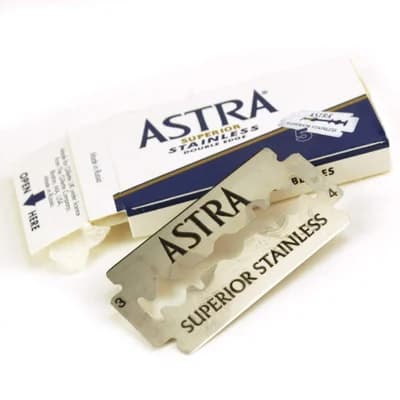
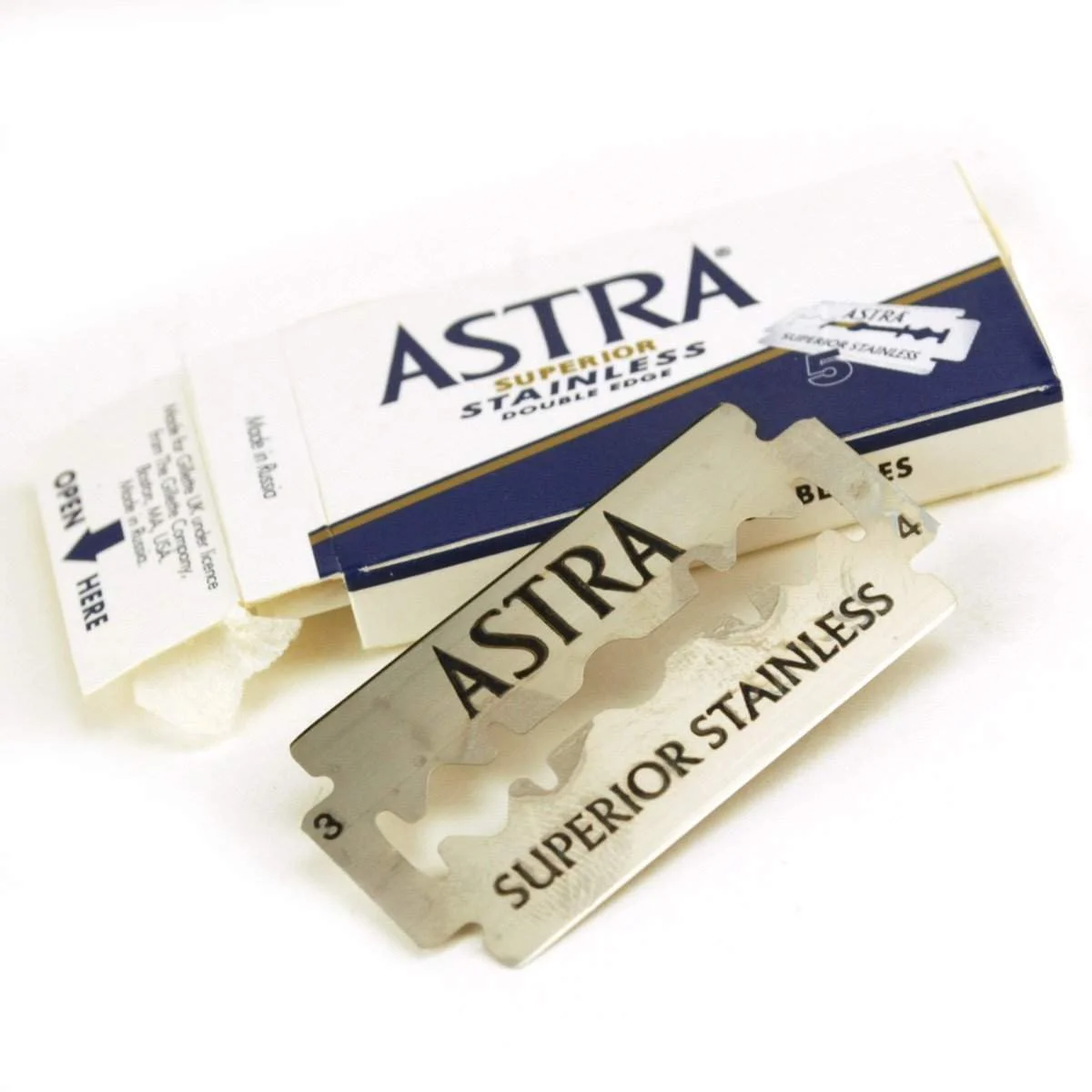
Mid-spectrum sharpness, Gillette-controlled manufacturing consistency, $0.03 to $0.05 a shave. Sharp enough to clear a two-day beard in two passes, forgiving enough that a slightly steep angle doesn't draw blood. Three to five shaves per blade is unremarkable, and that's the only criticism I've got.
It's the default DE answer for a reason: the best balance of sharpness, forgiveness and cost anywhere on the spectrum.
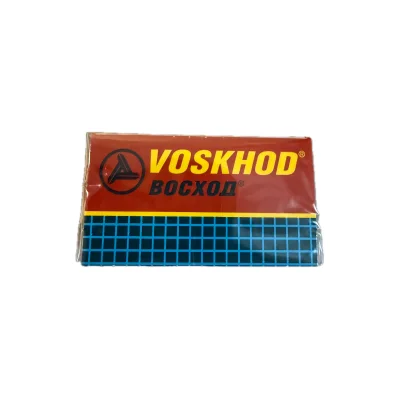
100 blades for $5 to $10, roughly 300 to 400 shaves for the cost of two cartridge packs. The Teflon coating makes the first two shaves genuinely glassy, then fades to ordinary steel from shave three. Dense, coarse growth will need an extra pass.
The mild-to-mid entry that shows how much perceived smoothness comes from coating rather than edge sharpness.
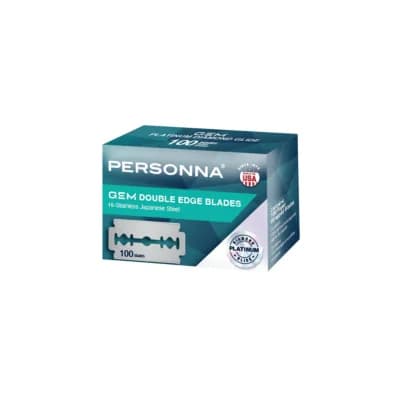
Built to medical and laboratory tolerances, and the blade-to-blade consistency genuinely shows it, with fewer duff blades per pack than almost anything at this price. The PTFE coating suits sensitive skin when your technique is sound. Coarse or fast growth will find it slightly underpowered next to Silver Blue.
The mid-spectrum pick for sensitive skin, and proof that consistency matters more than peak sharpness.
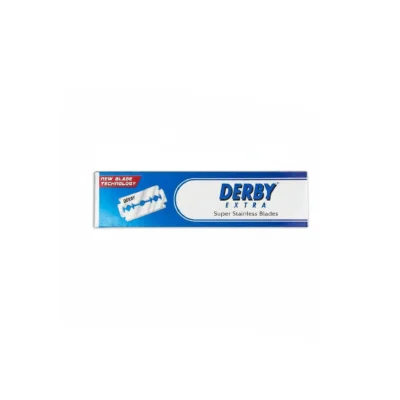
The most forgiving blade here and the right starting point if you're nervous or reactive, around $0.07 a blade in 100-count. It tolerates a poor angle better than anything else on this list. It also drags by shave three on coarse beards, and you'll outgrow it inside two months.
It defines the mild end of the spectrum and gives beginners a safe floor to measure everything else against.
The Sharpness Spectrum Is Not a Leaderboard
The reason "best blade" content is useless is that the variables sit on your face, not in the packet. Beard density, growth direction, skin sensitivity, water hardness, razor aggression, and the big one: how much pressure you unconsciously apply because you spent fifteen years with a cartridge razor that needed you to press like you were sanding a skirting board.
A blade is sharp or mild relative to *that*. Which means the right question isn't "what's the best blade." It's "where on the spectrum does my current technique belong, and where should it be in six months."
Most men coming off cartridges belong in the middle. Not the mild end, where you'll find it draggy and conclude the whole DE thing is a LARP. And absolutely not the sharp end, where you'll bleed, blame the hobby, and crawl back to a $4.50 plastic cassette like a man returning to a bad relationship.
How Blade Sharpness Is Actually Measured (BESS, and Why Forum Consensus Isn't Nonsense)
BESS, the Brubacher Edge Sharpness Scale, measures how many grams of force an edge needs to sever a standardised test medium. Lower number, sharper edge. Feather Hi-Stainless lands somewhere in the 40 to 60g range depending on who's testing, against roughly 100 to 150g for budget uncoated blades. That's a genuinely meaningful gap, not marketing.
Two honest caveats, and I cannot stress this enough:
1. BESS figures vary by lab, test medium and batch. Published numbers for the same blade can swing 15 to 20 percent. Treat them as a band, not a decimal point.
2. Not every blade here has a reliable published BESS score. Where I'm leaning on broad wet-shaving consensus instead of a measurement, I'll say so. Thousands of shaves' worth of forum agreement isn't a lab result, but it isn't astrology either. It's a very large, very unscientific sample that happens to be fairly consistent.
What BESS can't tell you is *smoothness*, which is a completely different property. More on that below, because it's the bit most blade guides get embarrassingly wrong.
Mild End: Derby Extra - The Blade That Forgives Your Angle
Who it's for: your first month of DE shaving, or skin that reacts to absolutely everything.
Derby Extra sits at the mild-to-medium end by consensus (there's no clean BESS figure I'd stand behind). Platinum coated, consistently made, roughly $0.07 a blade in a 100-count pack. The practical effect is that it tolerates a bad angle. You can be 10 degrees off and get an adequate shave rather than a red stripe down your neck.
The cost is drag. Coarse or dense beard and you'll feel it by shave three or four, that tugging sensation that makes you press harder, which is exactly the habit you're trying to kill. Experienced shavers outgrow Derby fast, and they're not being snobs about it.
Verdict: a learner blade with a real job to do. Not a destination.
Mild-to-Mid: Voskhod Teflon - Coated Glide for the First Two Shaves
Russian-made, PTFE coated, and absurdly cheap: 100 blades for $5 to $10. At three to four shaves a blade that's something like 300 to 400 shaves for the price of two cartridge refill packs.
The Teflon coating does real work on the first two shaves, noticeably less drag than uncoated budget steel. Then it fades, and from shave three you're working with an ordinary steel edge. Not bad. Just ordinary.
The honest con: it isn't sharp enough for dense, coarse growth. You'll end up doing a third pass you wouldn't have needed with a mid or sharp blade, and a third pass drags more friction across your skin than a sharper blade ever would have.
Mid-Spectrum: Personna Lab Blue - Medical Tolerances, Cartridge Pricing
Personna Lab Blue is made to medical and laboratory tolerances, and the edge consistency genuinely reflects that. Blade-to-blade variance inside a pack is among the lowest I've used, which matters more than people think. Half the "this blade is awful" posts online are one duff blade in a sleeve of five.
Platinum and PTFE coated, mid-spectrum sharpness, roughly $0.03 to $0.05 per shave. Suits sensitive skin nicely *when your technique is sound*, and that qualifier is doing heavy lifting, because the smoothness advantage evaporates the second you add pressure.
Con: longevity caps out at three to five shaves on medium-coarse hair, a touch below Silver Blue. And if your growth is genuinely coarse, you'll find it slightly underpowered.
> Mariana's Take: No woman has ever noticed which blade a man uses. Everyone notices the aftermath. Three small cuts along the jaw and a red neck reads as careless, not rugged, and it's visible across a table in normal light. Pick the blade that stops that happening.
Mid-Spectrum: Astra Superior Platinum - The Default Answer, For a Reason
This is the one. Made under Gillette quality control in St Petersburg, platinum and chromium coated, sharper than Derby, smoother than Feather, about $0.03 to $0.05 a shave.
What Astra does better than anything else here is tolerate the gap between your ambition and your actual hand. Sharp enough to clear a two-day beard in two passes. Mild enough that a slightly steep angle on your jawline produces a bit of nothing instead of a bit of claret. Batch consistency is clearly better than no-name budget blades, which is why it's been the default recommendation in every DE forum thread since roughly 2011.
Cons, honestly: three to five shaves per blade, shorter than Gillette Silver Blue. And you're looking at two to three weeks before your technique catches up to what the blade can actually do. That learning curve is real, and it's why most DE converts quit in week one.
Mid-to-Sharp: Gillette Silver Blue - What Experienced Shavers Quietly Settle On
Russian-made, PTFE coated, and the blade a lot of men land on after they've finished sampling and stopped trying to prove they can handle a Feather.
Its real strength is consistency across the blade's life. Shave four feels close to shave one, which not many blades manage. Three to five shaves typical, dropping to three on coarse growth. It works across mild and moderately aggressive razors without you adjusting your technique, which is rarer than it sounds.
About 5 cents a shave against roughly $0.90 a shave on a Gillette Fusion cartridge. That's an 18x difference, and we'll come back to that humiliation shortly.
Con: heavier shavers burn through packs faster than the arithmetic promises, and blade preference is genuinely individual. Some men just shave better with Astra regardless of Silver Blue's reputation. That's not a flaw in either blade. That's face geometry.
Sharpest in Production: Feather Hi-Stainless - Zero Forgiveness, Fewest Passes
Feather is the sharpest double-edge blade in production. BESS 40 to 60g against 100 to 150g for budget blades. Japanese manufacturing, near-zero variance in a pack. Roughly 8 to 10 cents a shave at three to four shaves.
Used properly it's extraordinary. One pass with the grain and one across does what three passes with a mild blade does, and fewer passes means less cumulative friction, which is why Feather is often better for irritation-prone skin *in experienced hands*. That's the paradox everyone gets backwards.
Used improperly, it's a scalpel with a handle on it. No warning tug. No feedback stage. The blade is simply through your skin before the information reaches your brain. Pair it with an aggressive razor and sloppy pressure control and you've basically staged a small domestic incident.
Also worth knowing: the edge drops off noticeably after shave three. Feather fans call that honest. Men who like getting five shaves from a blade call it something else.
Sharpness vs Smoothness: The Distinction Most Guides Get Wrong
Sharpness is the force needed to cut. Smoothness is how the edge *feels* travelling across skin, a function of coating, edge geometry and finish.
They're independent. Feather is sharp and, in good hands, smooth. Plenty of cheap blades are blunt *and* harsh. A coated mid blade like Voskhod can feel smoother than a sharper blade while cutting less efficiently.
Why this matters: when a man says "that blade was too sharp for me," he usually means it was *harsh*. He felt the edge dragging because he was cutting at the wrong angle. The fix is rarely a milder blade. It's a shallower angle and no pressure. The blade carries the weight of the razor, nothing more. That's it. That's the job.
Blade Sharpness vs Razor Aggression: The Pairing Table
Blade and razor aggression stack. Get this wrong and you'll blame the blade.
| Razor type | Best blade pairing | Avoid |
|---|---|---|
| Mild closed-comb (Merkur 34C class, most modern safety razors) | Astra, Personna Lab Blue, Gillette Silver Blue | Nothing really, this is the safe box |
| Very mild / beginner adjustable on low setting | Derby Extra, Voskhod | Feather (no benefit, all risk) |
| Moderate aggression | Astra or Silver Blue | Feather unless your technique is dialled |
| Aggressive / open comb / slant | Derby or Voskhod to tame it, Astra if confident | Feather, unless you enjoy adrenaline before 8am |
| Any razor, 3+ years experience, light hand | Feather | - |
The general rule: sharp blade in a mild razor, mild blade in an aggressive razor. Sharp blade plus aggressive razor is an expert combination that gets recommended to beginners constantly, usually by men who've forgotten what week one felt like.
Cost Per Shave Across All Six (And Why the Cartridge Maths Is Embarrassing)
| Blade | Approx. cost per shave | Shaves per blade |
|---|---|---|
| Voskhod Teflon | $0.02 or under | 3-4 |
| Derby Extra | ~$0.02 | 3-5 |
| Astra Superior Platinum | $0.03-$0.05 | 3-5 |
| Personna Lab Blue | $0.03-$0.05 | 3-5 |
| Gillette Silver Blue | ~$0.05 | 3-5 |
| Feather Hi-Stainless | $0.08-$0.10 | 3-4 |
| Premium cartridge (Fusion class) | ~$0.90 | ~5 per cartridge at $4.50 |
Even the priciest blade here runs about one-ninth the cost of a premium cartridge. The cheapest is closer to one-fortieth. The one-off hardware spend is real, $32 to $65 for a handle you'll still have in a decade, and it pays itself back inside about four months of normal shaving.
The counterargument that cartridges are "easier" is fair for week one and false by week four.
How to Run Your Own Blade Sampler in Six Weeks
Don't take my word for any of this. Your face has opinions.
- Weeks 1-2: Astra. Learn angle and zero pressure with a blade that won't punish you for getting it wrong. Same razor, same cream, same water temperature. Control the variables.
- Week 3: Derby Extra. Establishes your floor, which is to say what "too mild" feels like on your beard.
- Week 4: Personna Lab Blue or Voskhod. Tests whether coating smoothness actually matters to your skin.
- Week 5: Gillette Silver Blue. Tests whether you want more edge than Astra gives you.
- Week 6: Feather. One pass with the grain only, first shave. No touch-ups. If it feels effortless, you've arrived. If you flinch, you have your answer, and it cost you about forty cents to get it.
Keep a note on your phone: blade, shave number, irritation 1 to 5. Genuinely, do this. Ten seconds, and it's the only way to separate "this blade is better" from "I slept well and the water was fresh."
> Mariana's Take: The men whose faces look consistently good aren't the ones with the sharpest kit. They're the ones who shave the same way every time. Consistency reads as grooming. Experimentation reads as a man with a hobby.
Jamie's Verdict: Where Most Men Should Actually Sit
Look, the middle. Almost all of you. Astra, Silver Blue or Personna Lab Blue depending on what your local stock looks like, in a mild-to-moderate razor, no pressure, 30 degree angle.
Feather is the better blade in a vacuum, and vacuums don't have beards. The men who should be using it already know who they are, and they're not reading a blade sharpness guide.
FAQs
Is a sharper blade more likely to cut me?
More likely to cut *deeply* if you make a mistake, yes. Less likely to cause overall irritation if you don't, because you need fewer passes. Sharpness punishes bad technique and rewards good technique. It doesn't do anything in between.
How many shaves should I get from a blade?
Three to five for everything here. Coarse growth pulls that toward three. If a blade feels like it's tugging rather than cutting, it's finished, and a dull blade causes far more irritation than a sharp one ever will.
Do blades expire?
Not meaningfully if they're kept dry and sealed. Rust from a wet razor head is what kills blades early. Dry the blade after each shave and you'll get an extra shave or two out of most of these.
Can I use DE blades in a cartridge handle?
No. You need a double-edge safety razor, which is the entire hardware cost in this exercise. $32 to $65 buys you something you'll still own in 2040.
Is the learning curve really two to three weeks?
To match your old cartridge results, yes. To beat them, closer to two months. Shave every other day during that stretch rather than daily and your skin will thank you.
Tips
- 1.Change one variable at a time. Same razor, same cream, same water temperature, new blade only. Otherwise you're not testing blades, you're testing your mood.
- 2.Pair sharp blades with mild razors and mild blades with aggressive razors. Stacking aggression at both ends is how beginners decide the whole hobby isn't for them.
- 3.Dry the blade after every shave. Rust from standing water kills more blades early than actual edge wear does, and it's an extra shave or two per blade for ten seconds of effort.
The Bottom Line
Buy a 100-pack of Astra Superior Platinum, put it in a mild closed-comb razor, apply no pressure for three weeks, and stop reading blade rankings. At $0.03 to $0.05 a shave you can run the entire six-week sampler above for less than one cartridge refill, if you're the curious type. Feather is the better blade and the wrong recommendation for roughly 85 percent of the men reading this, including, for the first eighteen months, me.
Frequently Asked Questions
What is the sharpest double edge razor blade you can buy?
Which DE blade is best for beginners switching from cartridge razors?
Astra Superior Platinum vs Gillette Silver Blue: which is better?
How much money do double edge blades actually save compared to cartridges?
Does a sharper razor blade cause more irritation?
What does BESS mean for razor blade sharpness, and can you trust the numbers?
Related Guides
BEST OF
Best Safety Razors for Men 2026: The Merkur 34C and the Beginner DE Kit That Actually Works
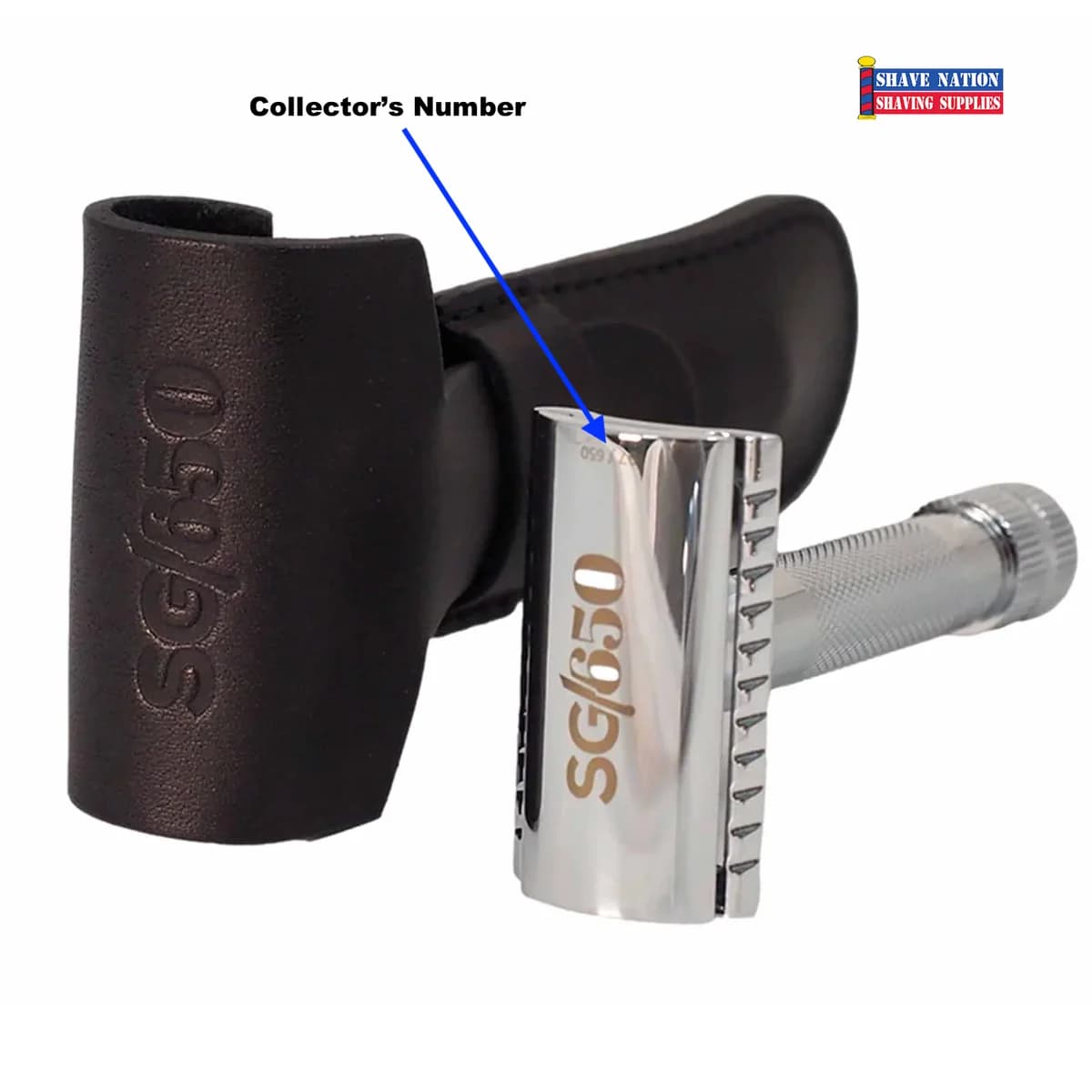
The Merkur 34C paired with Astra Superior Platinum blades is the best beginner DE setup in 2026. The razor costs around $40, lasts a lifetime, and with blades running about $0.03-0.05 each, you're looking at roughly $8-13 a year on blades versus $65+ for Fusion5 cartridges. There's a two-to-four week learning curve and you will nick yourself. Still worth it.
BEST OF
Best Safety Razor Blades 2026: How to Choose Double-Edge Blades by Sharpness and Skin Type
The Astra Superior Platinum is the right blade for most men: sharp enough to actually do the job, forgiving enough that you won't bleed through your first three shaves, and so cheap per use that switching from cartridges feels like catching Gillette with their hand in your wallet. Start here unless you've already got technique locked - in which case, upgrade to Feather Hi-Stainless.
BEST OF
Best Men's Shaving Gear 2026: Razors, Creams, and the Aftershaves That Don't Burn
The Merkur 34C paired with Astra Superior Platinum blades is the best shaving setup for most men in 2026. The razor costs around $40 once and the blades run to roughly $0.03-0.05 each - after the learning curve (give it three weeks, not three shaves), the shave quality beats a Fusion5 cartridge and the annual cost is embarrassing by comparison. If you're not ready to commit to a safety razor, Harry's Truman is the honest cartridge option that at least doesn't pretend the pricing model is fair.
BEST OF
Best Blades for the Merkur 34C: 5 DE Blades That Actually Suit the 34C (From $0.03 a Shave)

Gillette Silver Blue is the blade for a Merkur 34C, no real debate. It's sharp enough that two passes clears the 34C's mild-moderate head, forgiving enough to survive sloppy angle control, lasts three to five shaves, and costs about five cents a shave.